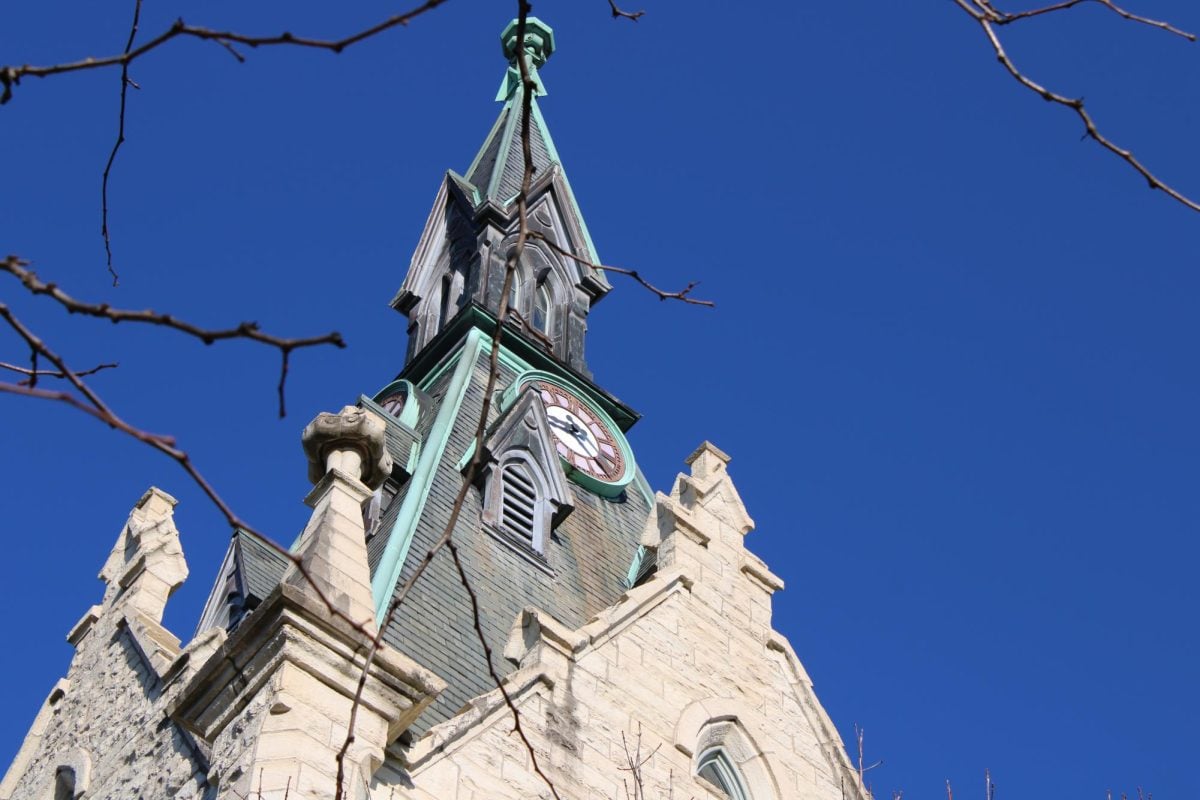
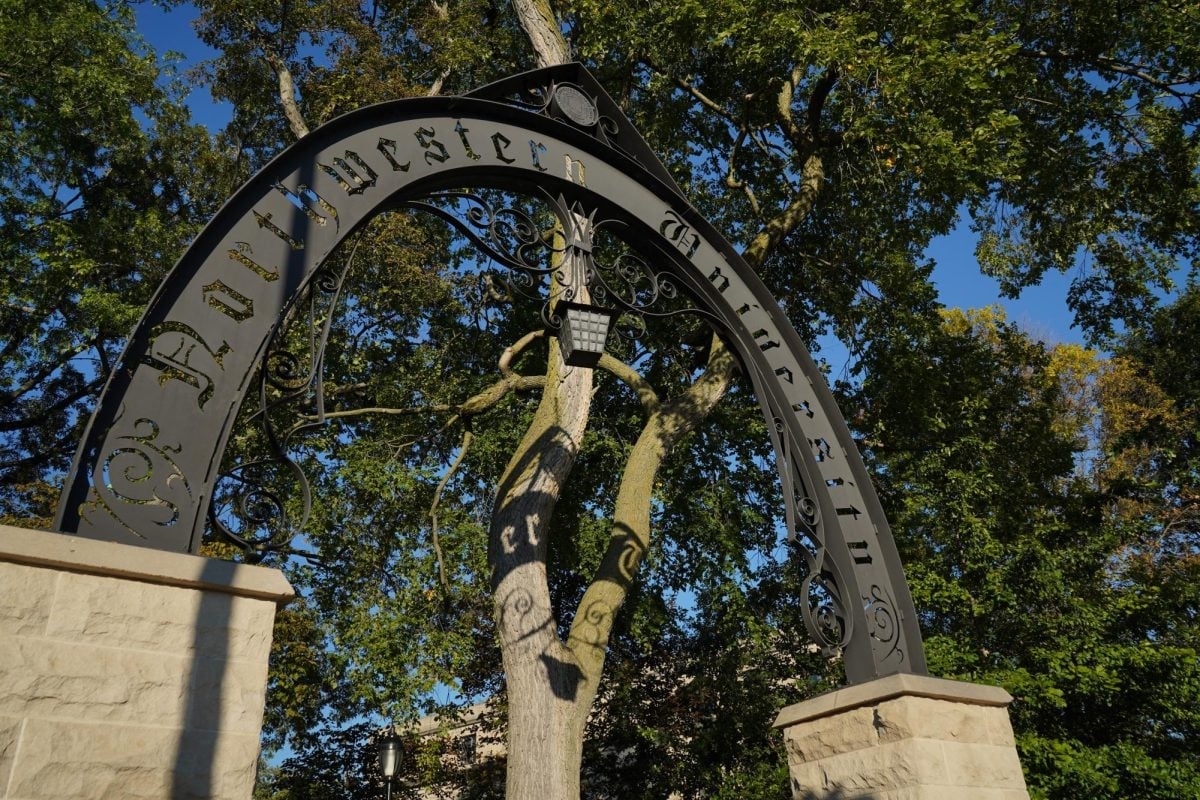
In the past year, notable Northwestern landmarks have undergone construction and renovation projects, including Ryan Field, Deering Library and the Lakefill.
These recent transformations are not their first, however, and the University’s historical construction projects have dramatically shaped its current campus environment.
Lakefill
Noticing a need for campus expansion to increase facility capacities, J. Roscoe Miller, the 12th president of NU, alongside then business manager William S. Kerr, identified three options: build west of Sheridan Road into neighborhoods, add buildings to green spaces on campus like Deering Meadow or extend into Lake Michigan.
In October 1960, Miller announced a 1,200-foot eastward expansion, the lakefill, which added 74 acres of land at a cost of $5.2 million.
The project was met with challenges, including extensive approval required by government systems from the Evanston City Council to the U.S. Army Corps of Engineers. Late Democratic Illinois Senator Paul Douglas also accused NU of environmental vandalism, a hurdle the University eventually overcame.
A $2.5 million donation by John G. Searle kickstarted the two-and-a-half-year project, completed in 1964.
The lakefill reshaped the campus footprint, paving the way for new buildings, including University Library, Norris University Center, the Kellogg Global Hub and Pick-Staiger Concert Hall.
Ryan Field
Students played sports on improvised campus grounds near Sheridan Road with no formal facilities until Sheppard Field was created in 1891. This $7,000 investment, worth roughly $250,000 in 2025, honored business manager Robert Sheppard as the driving force behind its development.
Succeeding Sheppard as business manager, former Evanston Mayor and NU alum William Andrew Dyche led a push for a stadium, securing $20,000 — worth over $700,000 today — by December 1904 for the creation of NU Athletic Field on Central Street.
In 1924, NU hired architect James Gamble Rogers to build a 54,000-seat concrete football stadium after the University outgrew the 10,000-seat NU Athletic Field.
Neighborhood opposition and Evanston’s zoning height limits led to months of hearings, permit refusals and debate, but the City Council ultimately amended ordinances, allowing the stadium’s construction.
The stadium opened in October 1926, named Dyche Stadium. In 1997, the stadium was renamed Ryan Field in honor of trustee Patrick G. Ryan (Kellogg ’59).
The final steel structural beam on Ryan Field was installed Oct. 9 after two-and- half years of construction. The project is expected to be completed in 2026.
Deering Library
In the 1920s, NU outgrew Lunt Library. Charles Deering, son of former NU Board of Trustees President William Deering, died in 1927, after which a library fund of more than $1 million was given by Deering’s widow and other family members.
Architect James Gamble Rogers developed the Gothic-style library, inspired by the King’s College Chapel in Cambridge, England.
The Charles Deering Memorial Library officially opened its doors in January 1933.
In summer 2012, the University renovated the west-facing entrance, which was closed for more than 40 years.
The library’s 2024-2025 renovation increased accessibility and provided updates to various areas, notably the Eloise W. Martin Reading Room.
Student access to the library was restored Sept. 16.
Email: [email protected]
Related Stories:
— New developments over summer welcome students back to campus
— Gallery: Construction ongoing throughout multiple parts of campus
— From beer to books: NU construction on new pub, Deering and more