Before founding Evanston’s renowned Fleetwood-Jourdain Theatre, Gloria Bond Clunie (Communication ’75, ’92) helped shape Black performing arts at Northwestern as artistic director of the pioneering Black Folks Theatre.
Inspired by this work and shortly after earning her undergraduate degree, Clunie launched the Fleetwood-Jourdain Theatre in 1979, aiming to elevate Black stories and fill a longstanding void in Evanston’s performing arts scene. Decades later, the award-winning playwright said preserving diverse perspectives is just as important.
“When we have an administration that is trying to take away stories of all kinds — BIPOC stories, women’s stories — I mean, literally taking them down from museums, that’s the whole idea of making sure that we are responsible for keeping our stories alive,” Clunie said. “Because they can disappear.”
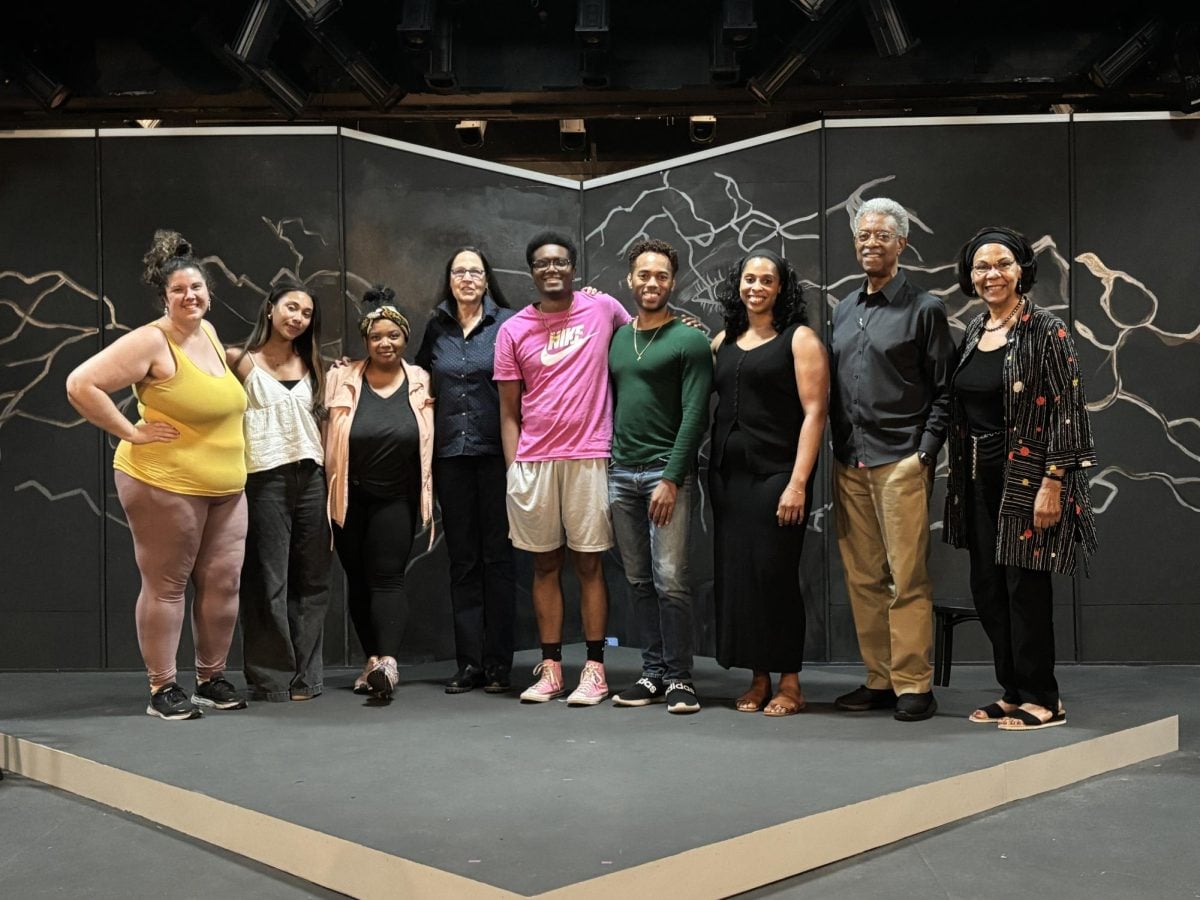
The company, located at 927 Noyes St., hosted its third annual Gloria Bond Clunie Playwright’s Festival, established by current artistic director Tim Rhoze. The festival showcased three new works exploring Black experiences and stories from across the African diaspora. Readings on Saturday and Sunday featured a short play, a one act and a full-length script, each examining Black identity formation.
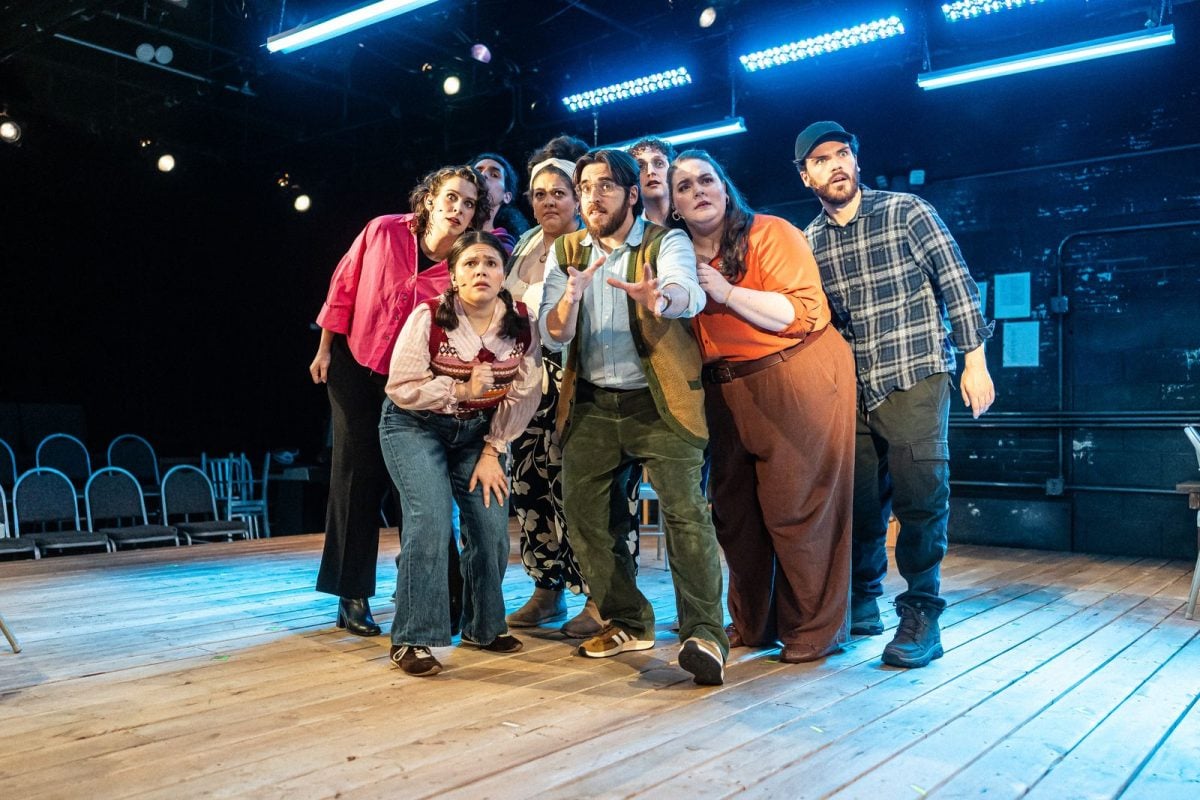
The festival’s specifications inspired playwright Beckett Thompson, who debuted their short play “Black Enough” Saturday. Featuring several actors dramatizing the playwright’s internal monologue, Thompson’s metatheatrical piece explored the challenges of creative production for Black artists.
“When I saw the prompt for the Black experience for this particular play, I tried writing. I tried so many ideas, and every single time, I was like, ‘I don’t think I’m Black enough for this story.’ And I started having all kinds of arguments with myself,” Thompson said. “And I was like, ‘Maybe I’ll write a play about that.’”
Eileen Tull, who produced this year’s festival alongside Taria Abram, said work began long before audiences took their seats. The festival opened with a dinner for staff members, directors and selected playwrights, creating space for them to build relationships before rehearsals began.
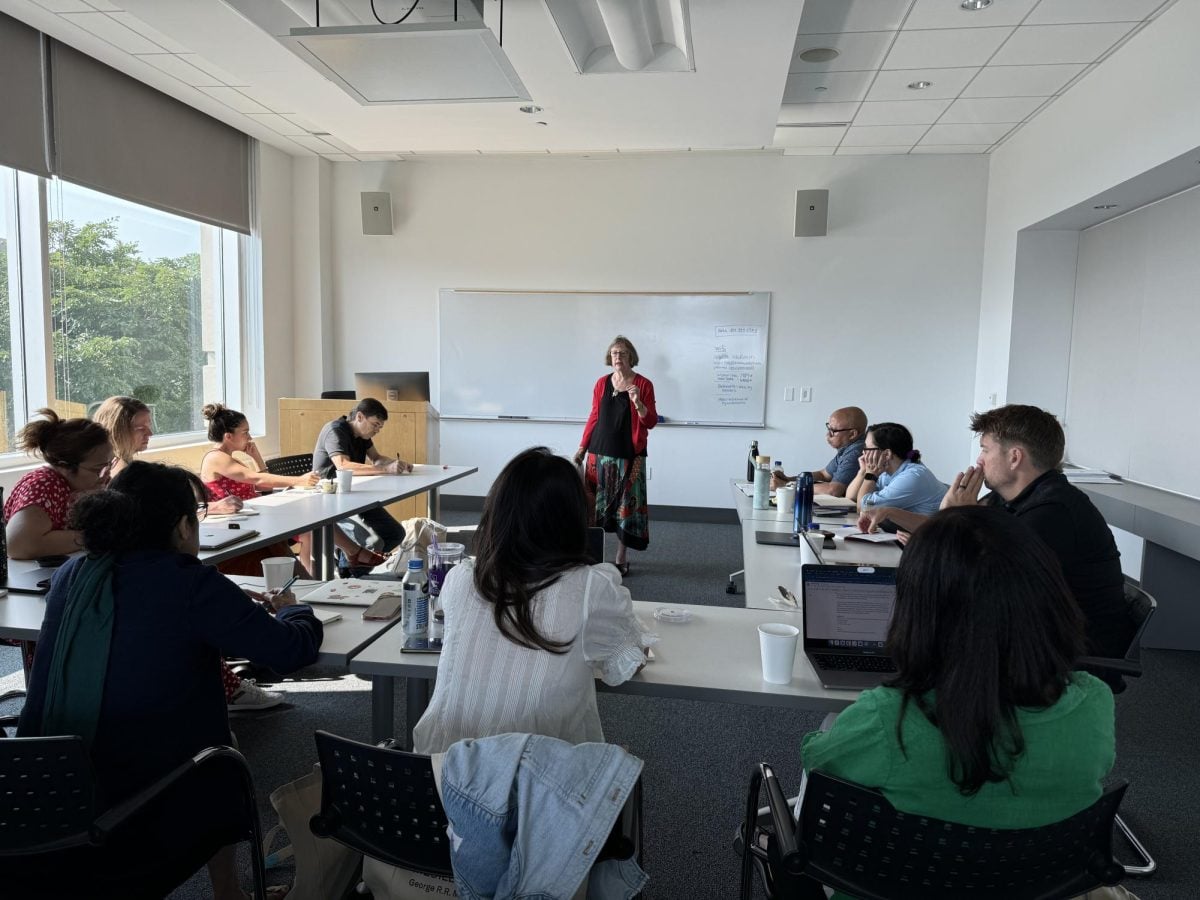
After that, each playwright met one-on-one with Clunie, who walked them through the profession’s “nuts and bolts” and offered advice on navigating their careers as up-and-coming Black playwrights, Tull said.
“Many of them are emerging playwrights, new playwrights, younger playwrights, and so as a playwright myself, I share the world,” Clunie said. “We address any questions, but also talk about things I wish I had known when I was first starting out.”
Throughout the week, Tull said directors and actors worked closely with the festival’s playwrights in a “collaborative process” designed to support their work.
Thompson said working with director Lip Lewis forced them to put on their “thinking cap” and examine their motivations throughout the script. Playwright Caitlin Frazier, whose one-act play “Visitation” also debuted Saturday, echoed Thompson’s sentiment.
“The actors were giving me feedback. My director and the assistant director were giving me feedback on things that they had questions about, and I internalized that,” Frazier said. “And then I was like, ‘Okay, another one, another draft, another draft,’ and I’m excited about where I’ve ended up.”
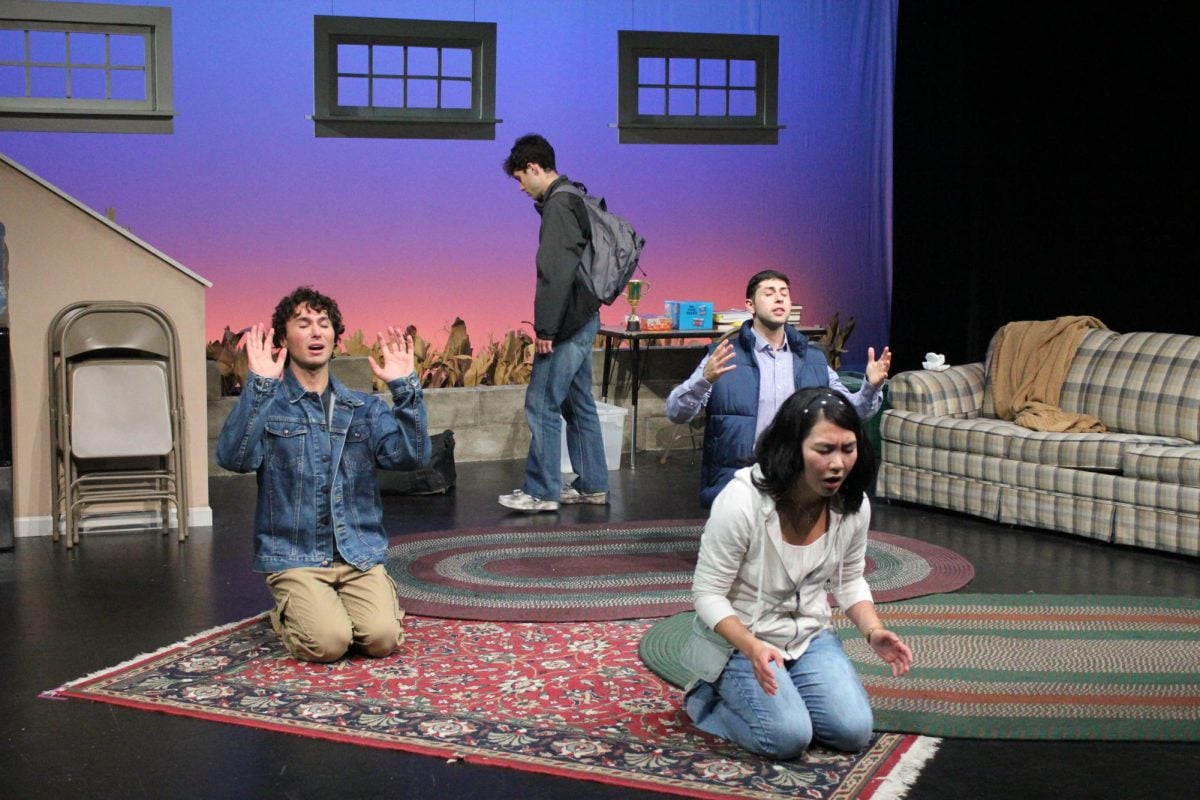
“Visitation,” which Frazier said originated as an assignment in college, follows a housewife and her domineering husband in the playwright’s hometown of Aurora, Colorado. The couple frequently breaks the fourth wall as they grapple with the arrival of a Black woman whose decision to sit on the housewife’s prized “green patch” sets Frazier’s story into motion.
She called the script a “reflection on my life that could have been” had she stayed in suburban Denver, noting how the play’s unsettling domesticity showcases its universal message.
“I feel like the eeriness comes from like, there’s always a wanting for something more, but also who even knows what the more is?” Frazier said. “And in wanting more, you might get caught up in a situation that you don’t want.”
The festival concluded Sunday with a reading of playwright Annie Janeiro Randall’s full-length “Miss Spence’s Play,” which follows playwright Eulalie Spence working alongside W.E.B. Du Bois’ Krigwa Players during the Harlem Renaissance.
Set in the editorial office of the NAACP’s The Crisis magazine, the script chronicles disagreements between Spence and Du Bois on the central purpose of Black theater. The historical drama also explores the civil rights leader’s misogynistic treatment of both Spence and Jessie Fauset, an influential poet and Crisis literary editor.
A historian and professor at both DePaul University and the University of Chicago’s Graham School, Randall said she studies the Harlem Renaissance and recalled being visited by Spence’s “unquiet soul” during the writing process.
“I then started to see these scenes just unfold, not necessarily in sequence, but I would hear bits of conversation if I would just quiet myself and listen. And I could see it,” Randall said. “I got a lot of pleasure out of just sitting there and listening to these conversations and getting this new perspective on Du Bois and, indeed, Jessie Fauset.”
Following each reading, audience members were invited to offer their perspectives on the new works.
Tull said these conversations are enriching for both attendees and playwrights. Especially in civically engaged communities like Evanston, audiences enjoy participating in theater performances, she added.
“We have this social contract that when you go see a play, you are quiet, and you watch what is onstage. And I believe in that social contract,” she said. “But I do think it’s important that audience members are treated like collaborators.”
Clunie said plays like those featured during the festival represent “hot moments,” emphasizing the audience’s role in helping bring new scripts to life. She added that the company aims to build on that momentum as playwrights continue developing their work.
Ultimately, Tull said the festival hopes to “incubate new plays” for Fleetwood-Jourdain.
“There are thousands of new plays written,” Clunie said. “For somebody to say, ‘I want to hear your work,’ that is a special gift.”
Email: [email protected]
X: @jdowb2005
Related Stories:
— Wirtz Center’s ‘The Harvest’ explores faith, empathy in church basement
— Fleetwood-Jourdain Theatre hosts conversation with local Black artists
— Q&A: ‘Octet’ cast members, NU alums talk lessons from production, college experience