Northwestern’s Center for Audiology, Speech, Language and Learning hosted its quarterly Healthy Hearing event Friday, inviting community members for free hearing screenings, consultations with audiologists and opportunities to try out hearing devices.
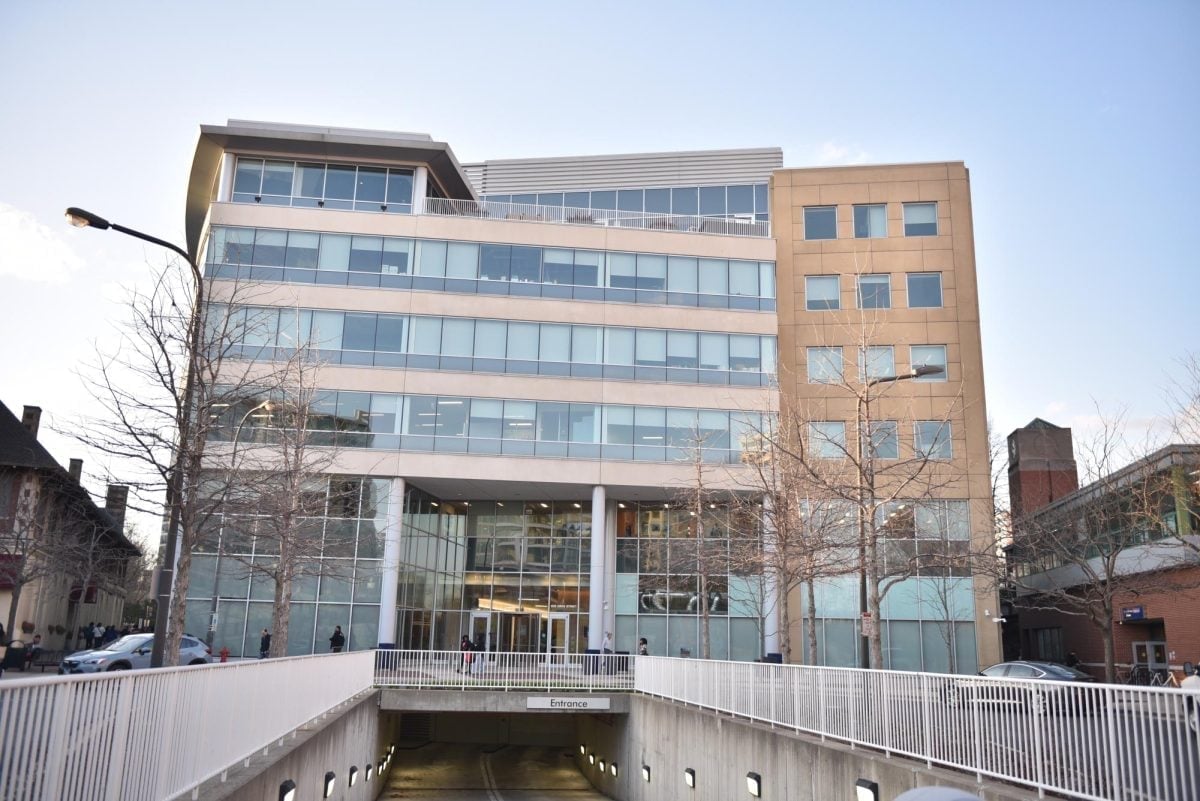
Located at the bottom of the North Campus Parking Garage, NUCASLL has hosted the event every quarter since they moved from the Francis Searle Building into their current location about a decade ago.
NUCASLL assistant director and audiologist Cat Fabian said the center received so much interest in this quarter’s event that they scheduled an overflow day for Feb. 27.
“We usually book four booths at a time,” Fabian said. “We have four booths fully booked out today, and now we have opened up four more booths in two weeks. I think this is the biggest response we’ve ever gotten.”
Fabian credits this response to increased community outreach efforts from Northwestern and an advertisement that ran in the Chicago Tribune.
Northwestern was the first university in the United States to institute the field of audiology as an academic discipline, with the program’s history extending back to World War II. The Doctor of Audiology program, now largely regarded as one of the most prestigious in the country, consists of clinicians and students working together to treat patients and helping students gain field experience, an effort reflected in students’ involvement in the event.
Practice Manager for NUCASLL Josephine Lopez Bodeker said the Healthy Hearing events provide a great opportunity for graduate audiology students to observe, practice and lead consultations in a supervised setting.
Second-year audiology PhD candidate Kyriaki Radaios said one of her favorite parts of audiology is the direct impact she has on people struggling with hearing loss.
“I like being able to get to know these patients,” Radaios said. “If they come in for a hearing test and they decide to get hearing aids, we build a really strong relationship and rapport with them, because this is a vulnerable time that they’re going through and they’re putting a lot of trust into us.”
Though most patients attending Friday’s event were members of the Evanston community, NUCASLL’s efforts to connect with NU students include maintaining a presence at loud events like football games and campus concerts as well as collaborations with undergraduate students and professors in the School of Communication.
Radaios said assessing hearing health is important at any age, as hearing loss can be experienced much earlier in life than most patients expect, including at birth.
The key, Fabian said, is to stay on top of your hearing protection.
“Noise exposure is like sun exposure and your hearing protection is like sunscreen,” Fabian said. “So, use hearing protection to protect your ears against the effects of noise and the potential for severe hearing loss with aging.”
Untreated hearing loss increases a person’s risk of other physical and mental problems such as increased risk of falling, a decline in mental wellbeing resulting from isolation, metabolic conditions like high blood pressure and diabetes and cognitive decline.
To counteract these risks, the event offered cognitive screening alongside hearing tests for the first time due to increasing connections being made between hearing difficulties and declining cognitive wellbeing, which can occur even without actual hearing loss.
Fabian said proactively treating hearing-related issues can save patients from a lot of compounding troubles.
“There’s nothing bad that could happen from coming in to get your hearing tested and from trying hearing aids,” Radaios said. “You can only benefit from this experience.”
Email: [email protected]
Related Stories:
— $20 headphones or premium sound? Students weigh cost, quality, hearing risks
— Northwestern forms audiology center offering clinical services
— Trustee Kimberly Querrey gifts almost $25 million to establish new brain health institute