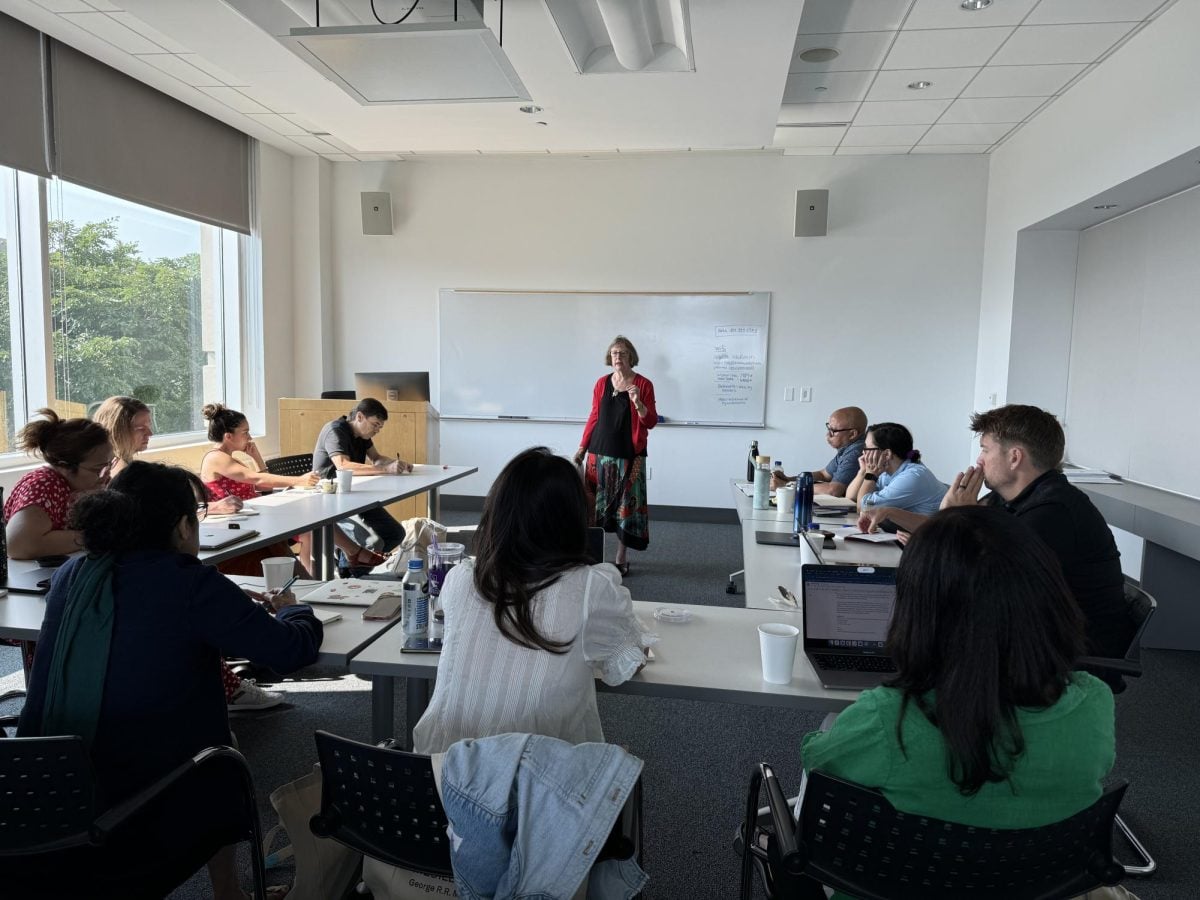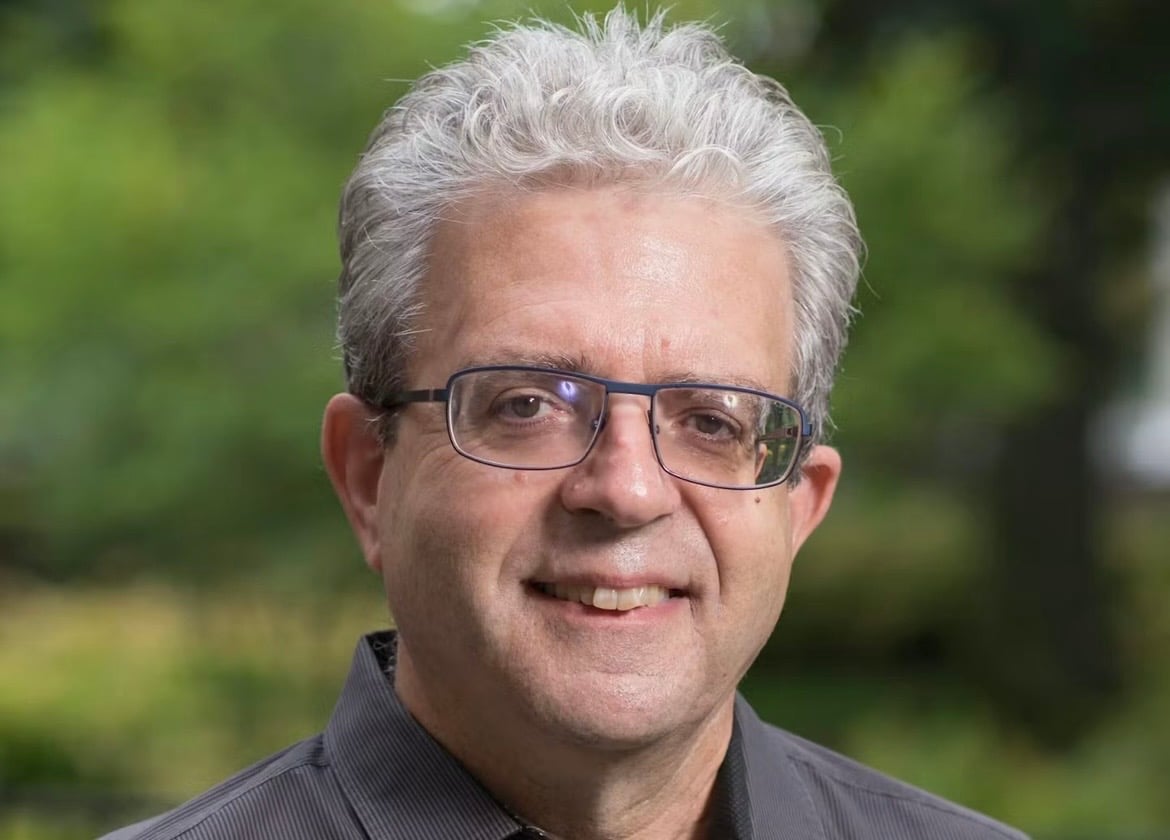
Religious Studies Prof. Robert Orsi, who is also the Grace Craddock Nagle Chair in Catholic Studies, teaches classes on American religious history and American Catholicism after World War II.
He has also written several books, including “The Madonna of 115th Street,” which examines faith and community in New York City’s Italian Harlem, now East Harlem.
The Daily spoke with Orsi about the Vatican’s response to the Iran war, American religious rhetoric behind the war and how he’s looking at contemporary issues through a historical lens.
This interview has been lightly edited for brevity and clarity.
The Daily: A few hours before this interview, you participated in an NPR conversation on the pope and President Donald Trump. In the backdrop of the war in Iran, Pope Leo’s Easter address included calls for peace and condemnation of violence. What did this conversation reveal to you about the Vatican’s relationship to the war in Iran?
Orsi: A number of cardinals around the world have spoken out since the beginning of the war in Iran, saying that the war does not meet the criteria of a Catholic understanding of a just war. There are several principles that Catholics argue must be met for a just war. One is proportionality: The level of violence must be proportional to the aims of the war. When Trump threatens to obliterate a whole civilization, that is a deeply immoral position as far as the papacy is concerned. The fact that civilians are being targeted is also an immoral position.
On very serious Catholic grounds, the papacy is not on board with the war in Iran. Pope Leo himself has let it be known that he and his advisors see President Trump as an agent of chaos in world affairs. They see him as a dangerous player on the world stage and a bringer of violence. And so they are against the war, and they’re making that clearer and clearer, what they think of it.
The Daily: In a Pentagon prayer service during the Iran war, Defense Secretary Pete Hegseth prayed for “overwhelming violence of action against those who deserve no mercy.” In the context of religious history, how do you compare that language to the pope’s Easter address?
Orsi: There are two things that stand out in that quote. The first thing is extreme violence. Catholic morality understands when violence is used, it is to be used sparingly and with intentionality. And the celebration of extreme violence really violates Catholic principles. Overwhelming violence totally breaks with any kind of Catholic understanding of a just war.
Everybody deserves mercy. That is fundamental. A Catholic cardinal during the pontificate of Pope Francis said that Catholics who are divorced and remarried twice are beyond God’s mercy, and he lost his job for that. Catholics believe in mercy. Virtually everything that comes out of Hegseth’s mouth violates Catholic principles, and you can quote me on that.
The Daily: In your teaching, how do you bring contemporary issues like the Iran war into the classroom and relate them to history?
Orsi: Very carefully, because the past is the past. My motto: Understand and be aware of the difference between the present and the past. That’s really important to the study of history. Having said that, I think it’s also important that students be alert to the ways in which we inherit in the present, consciously and unconsciously, all kinds of ideas, fantasies, images, memories and so forth that are deep in the culture that come from the past. We need to watch that and see how it’s happening.
I said at one point in class that no war has probably ever been fought that was not deemed a holy war. We are alert to these ideas from the past, these values from the past that continue on to shape the present. We try to hold the two in some relationship with each other, so we can understand both the past and the present in relation to each other.
Email: [email protected]
Related Stories:
— Pope Leo XIV draws crowd of 30,000 to Rate Field for first American address
— NU-Q students in Qatar Foundation housing return to Education City after another evacuation
— Illinois officials criticize war in Iran, urge Congress to act