Following a joint brainstorming session last week, community members from the 2nd, 4th and 5th Wards took their turn offering suggestions on the city’s 2026 Bike Plan Update.
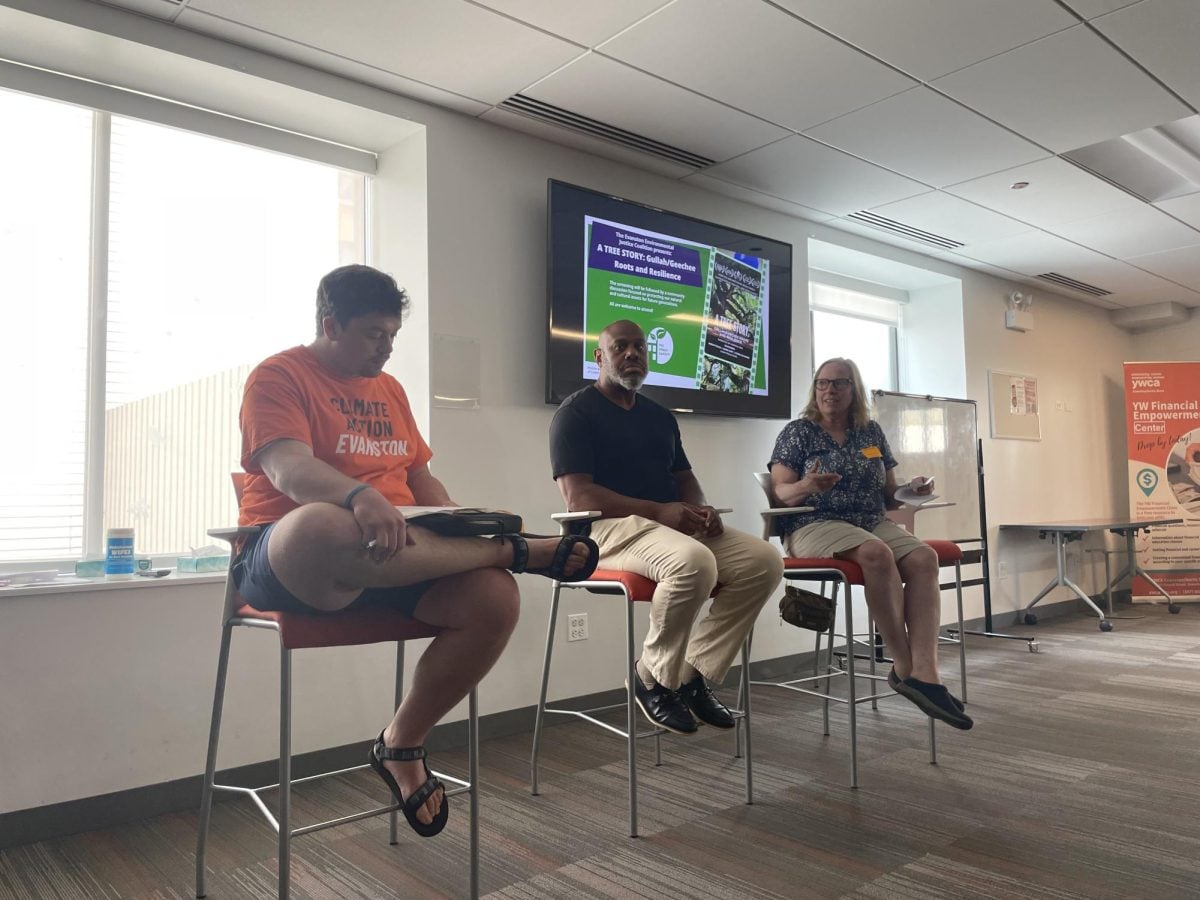
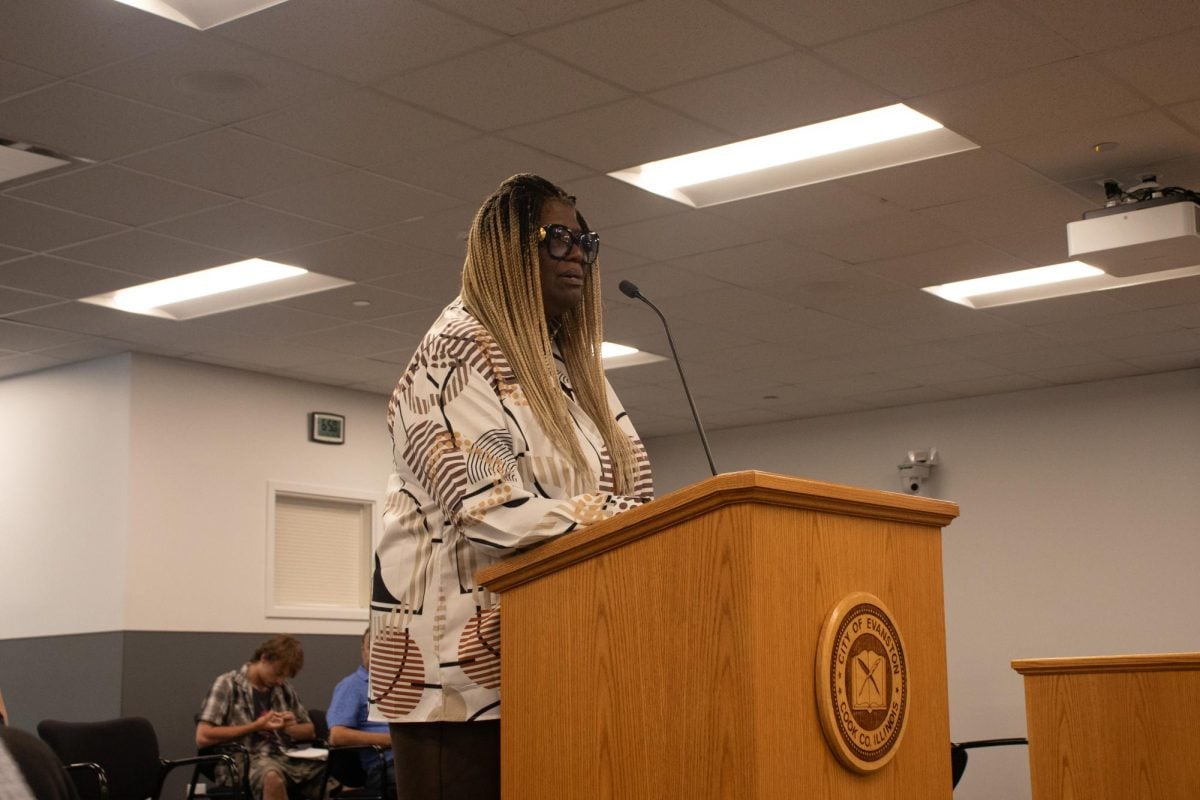
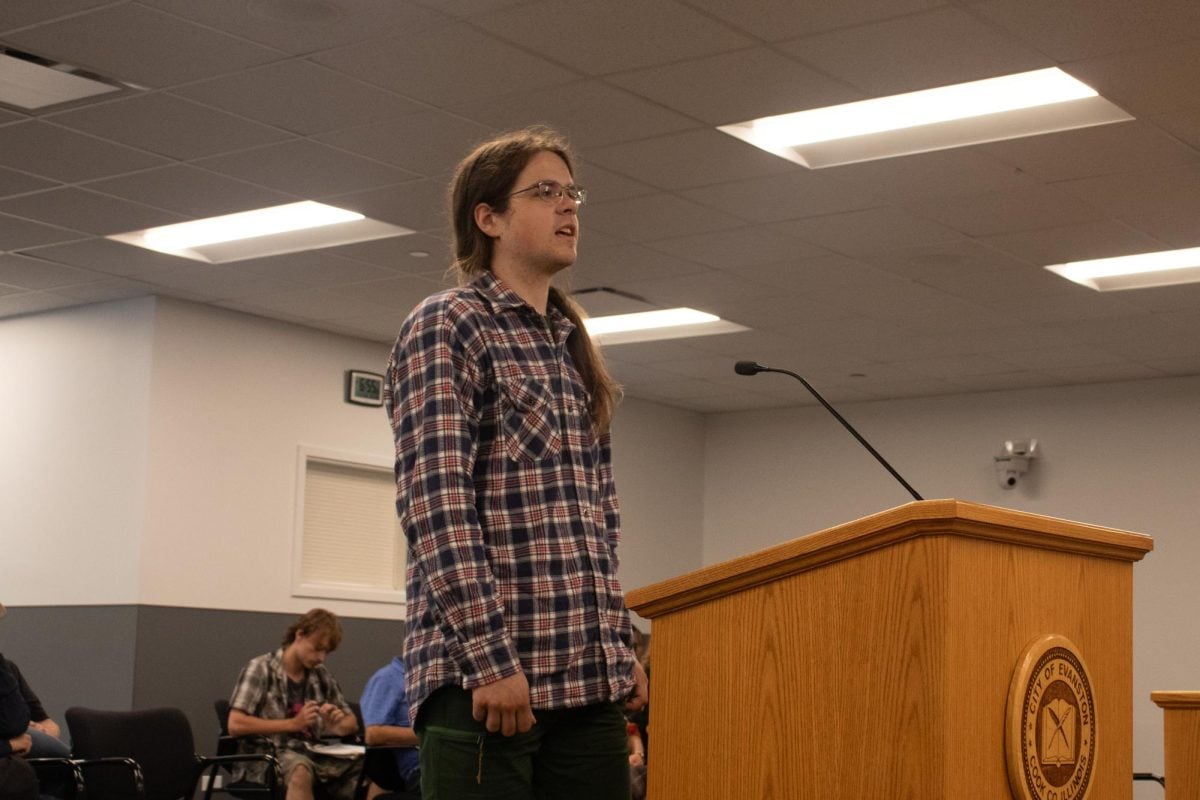
About 75 Evanston residents gathered at the Robert Crown Community Center on Tuesday night to voice their opinions on the proposed plan, which aims to build on the city’s 2014 bike project.
During the meeting, residents spent considerable time expressing concerns about the pace of project implementation and the enforcement of existing bike lane ordinances.
As a year-round cyclist, 4th Ward resident David Hesser said he came to the meeting to support “faster and better-built bike infrastructure for our city.”
“Something that stuck out to me was just the incredible length of time that it takes to get even the smallest set of infrastructure implemented,” he said. “However, it is exciting that we have this meeting. I do feel like our alderpeople in our City Council are listening.”
Chris Sous, assistant city engineer and the plan’s project manager, began by updating residents on the current status of ongoing bike-related projects and initiatives before gathering community input.
Sous explained that bike-related projects “realistically” take six to seven years to complete.
“When it’s a larger phase project, we have to first identify a certain funding source and then go into the feasibility stage,” he said. “A lot of that is heavily regulated with environmental and traffic safety, and a lot of things have to go through the state before you can implement anything on the road, especially if you’re using state and federal grants.”
According to Sous, several city projects outlined in the last bike plan are still in progress, delayed by “conflicts that we don’t foresee.”
The city is still working on pedestrian and bicycle improvements on the west side of Church Street, extending south to Harbert Park. Additionally, city officials are adding about two miles of bike paths along Chicago Avenue from Davis Street to Howard Street.
Since 2014, the city has completed 12 projects, including adding protected bike lanes on Church Street near Evanston Township High School and Davis Street.
Sous said they intend to provide an updated map based on community input, ridership trends and accident data to identify which corridors are more dangerous.
He pointed to bike lanes running east to west as areas that need attention. Specifically, he pointed to enhancements of existing bike lanes east of Dodge Avenue on Church Street, Lee Street and Greenleaf Street.
ETHS student Olin Wilson-Thomas rides his bike on Dodge Avenue to school every day and said he’s noticed a need for “stronger enforcement” in the area.
“I’m a junior in high school. I take that bike lane to school every day. I’m not sure if I would bike if that wasn’t there,” Wilson-Thomas said. “In the past couple of months, I kept tally, there were 57 cars parked in that Dodge (Avenue) bike lane, illegally, no enforcement, no nothing. We need some concrete protection.”
Recent community engagement meetings are the next step toward finalizing the city’s 2026 Bike Plan Update. In the fall, volunteers conducted bike counts, and city officials launched the Community Remarks Online Engagement Portal, which invites residents to share their concerns. It currently has over 400 comments, according to the portal.
Next, Sous said the city will start reviewing the data and incorporating community input to finalize next steps.
“Now that it’s been over 10 years, the idea is to circle back, get an idea of what went well, what went wrong, and how we can proceed,” Sous said.
Email: [email protected]
Related Stories:
— Evanston residents offer suggestions for city’s 2026 Bike Plan Update
— Chicago Avenue bike lane project sparks tension among businesses, residents
— Evanston volunteers count bicycles, scooters to aid city’s Bike Plan update