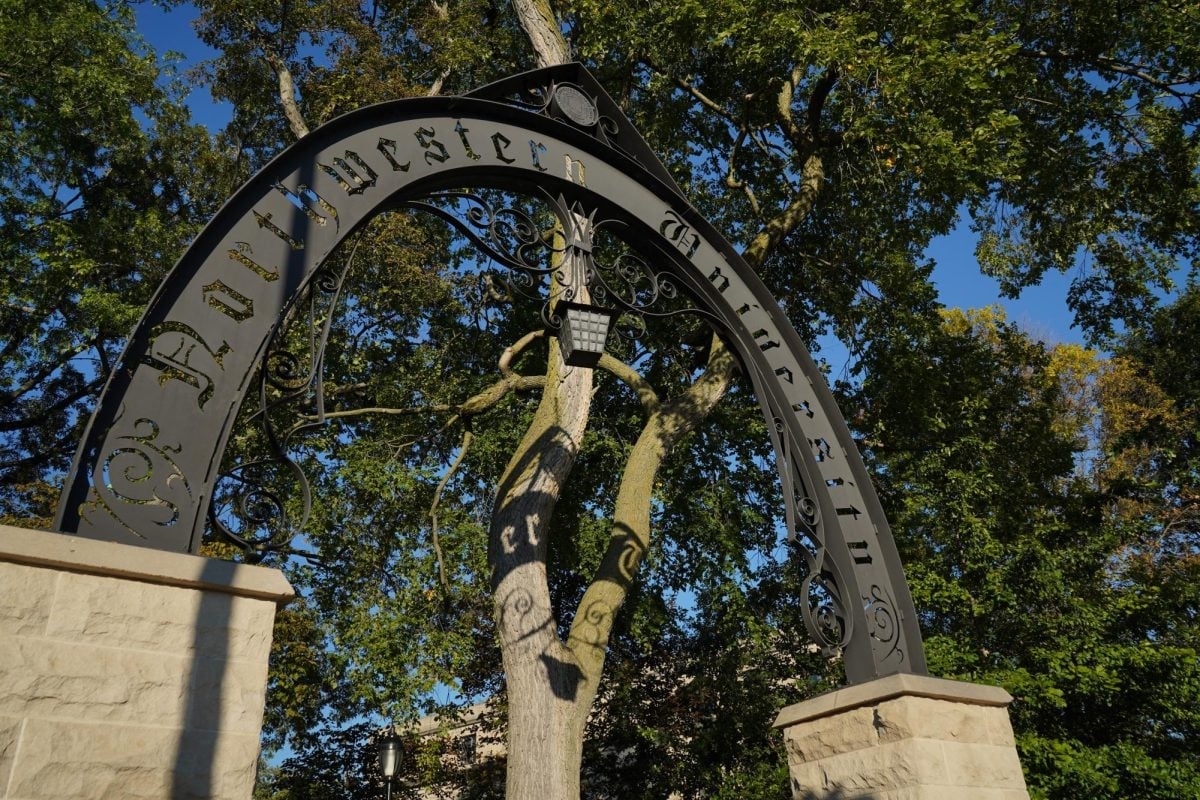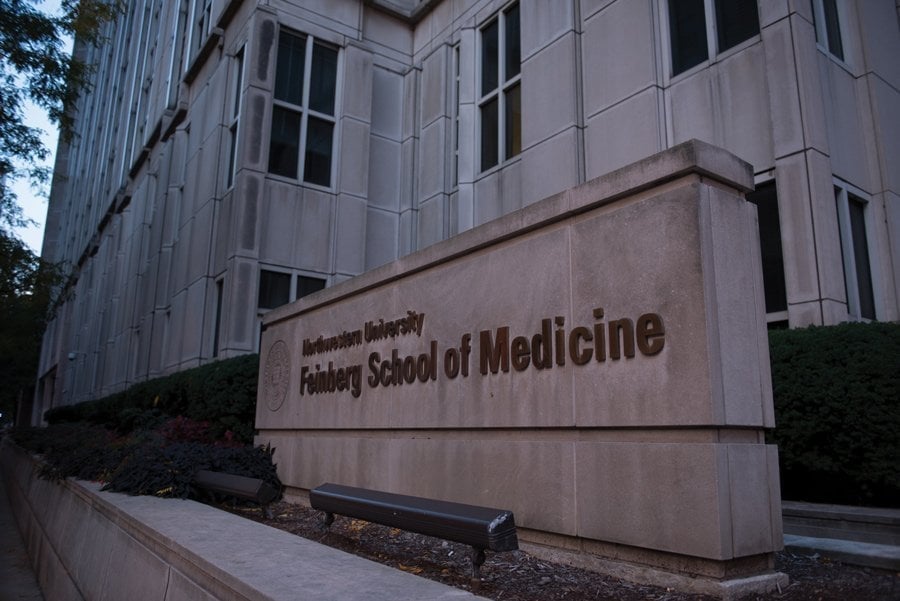
On June 12, Northwestern announced that — effective Jan. 1, 2026 — all medical plans for NU employees would be administered by UnitedHealthcare, replacing Blue Cross Blue Shield.
A month later, many employees are grappling with the change that left many feeling “blindsided,” according to Ahmad Othman, a postdoctoral scholar at the Feinberg School of Medicine.
The change comes during a period of financial uncertainty for the University, after the federal government froze $790 million in funding for NU amid investigations by the Department of Education and the Department of Justice.
“We understand that these are challenging circumstances … but at the same time, just like the University has (its) needs, the staff has our needs too,” Othman said. “We feel the need that the University needs to show that they care about our well-being.”
According to Othman, the University notified NU employees of the insurance change via email. Othman said it seemed that many employees took issue with the fact that the University did not provide an avenue for feedback about the change.
During a time when a majority of research employees are concerned for their futures, Othman said not being an “equal partner” in discussions about changes to benefits makes many NU employees feel like they’re “being left in the dark.”
“The consensus is, we feel like we’re being treated like pawns,” Othman said. “We do a lot of this work that leads to these developments, but the feeling is that we feel that we’re viewed as expendable by the University.”
Speaking on behalf of the NU Postdoctoral Union, Othman said many postdoctorates have voiced concerns about the change in insurance companies.
Chief among these concerns are whether ongoing medical treatments like in vitro fertilization will be covered by UnitedHealthcare, and whether employees will be able to remain with their current medical providers, Othman said.
A postdoctoral student, who requested to remain anonymous for fear of retribution, faces this reality ahead of the switch. They said one of the main reasons they chose to work at NU was for their benefits and health insurance. They have since used this insurance to cover therapy for their ADHD and PTSD for years.
UnitedHealthcare won’t cover their current therapist, so they will be forced to find a new therapist and try to replicate the relationship they have with their current therapist, they said.
“I’m gonna have to go try to find a new therapist who understands everything and also have to relive a lot of that trauma and start from the bottom,” the postdoctoral student said.
A NU faculty member’s spouse, who requested to remain anonymous out of fear of retribution, also voiced concerns about UnitedHealthcare’s scrutinized record, “in terms of not covering routine medications and procedures with the same ease and regularity that other major insurers do,” they said.
They said the shift in insurance companies is a “reflection of priorities” for the University today.
“As long as my (spouse) has been there, it’s been a great place to work … and I do think this is an erosion of that,” they said. “These small changes can really add up.”
In a message to the NU community June 24, the University made clear that “the University’s third-party administrator (whether it is BCBS or UHC) should have no financial incentive for denying claims for Northwestern’s plans.” It also announced that it would “regularly review and audit claims administration to ensure that claims are processed accurately and consistently.”
According to the announcement, the decision was made after months of meetings and discussions, after which the Northwestern University Welfare Plan Administrators committee decided that the incoming plan would be the most affordable health care coverage for employees.
“It is important to reiterate that we did not take the decision to change our plans’ claim administrators lightly, and the impact to our community was considered each step of the way,” the announcement said.
In response to the insurance change, several employees have circulated an online petition to allow University staff to retain Blue Cross Blue Shield as their insurance provider. As of July 15, the petition has been signed by more than 2,400 people.
The petition sympathizes with NU’s current financial strain, but requests the option to keep their current healthcare coverage to allow “those who value its benefits the choice to prioritize their healthcare in alignment with their personal circumstances.”
“A lot of people don’t realize the reality of what happens behind the scenes,” Othman said. “They see you’re a scientist at the University. It’s a good job. You’re taken care of. But oftentimes that’s not the case.”
Email: [email protected]
Related Stories:
— Northwestern administration announces hiring freeze, academic permanent budget reductions
— Northwestern officials confirm ‘significant impacts’ on university research due to funding freeze
— Federal government freezes $790 million in funding for Northwestern