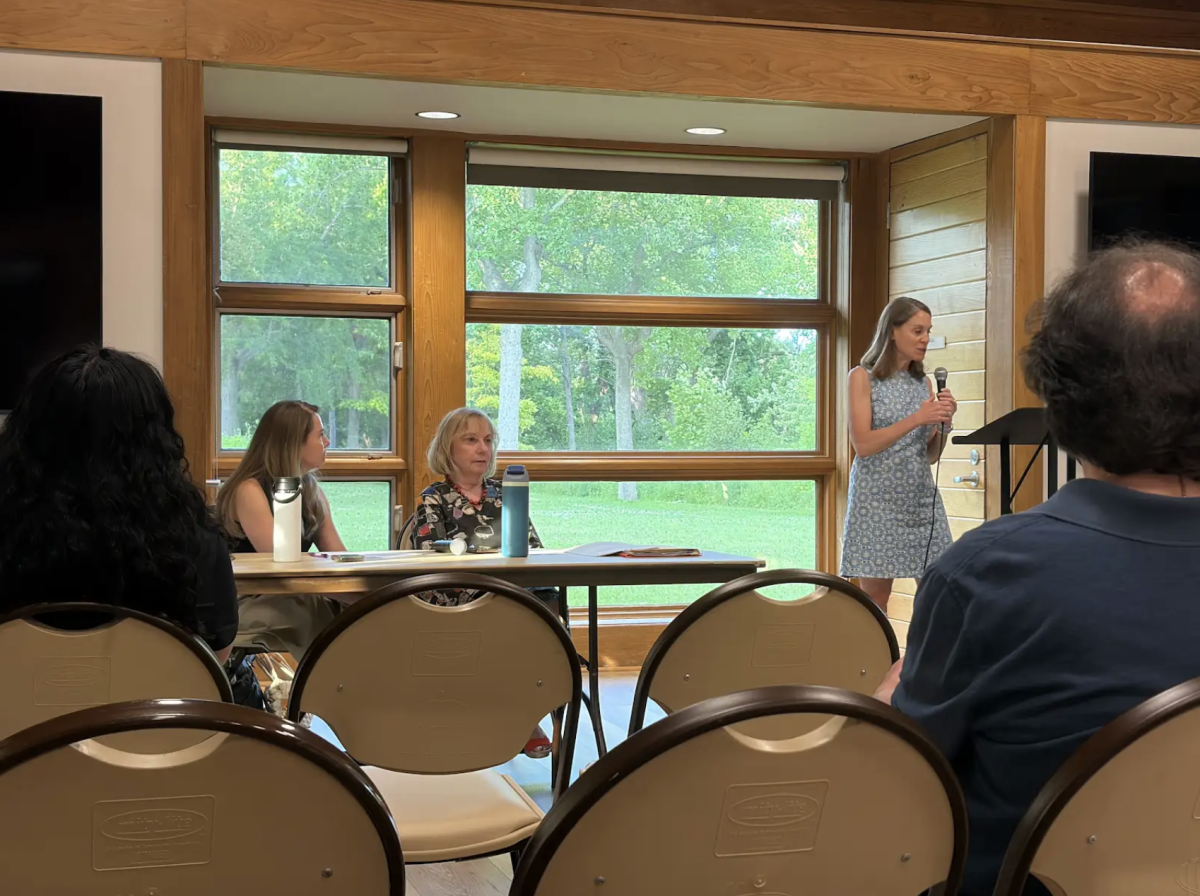
The Evanston Reparations Committee met Thursday, responding to the federal government’s move to join a lawsuit challenging the city’s reparations program.
Approved in 2019, the city’s Restorative Housing Program is the nation’s first municipal reparations initiative, aiming to redress historical housing discrimination by providing up to $25,000 to Black individuals who lived in Evanston from 1919 to 1969 and their direct descendants.
The program has faced challenges, including a lawsuit filed in May 2024, claiming that its race-based eligibility criteria violates the Fair Housing Act and the U.S. Constitution’s Equal Protection Clause. The Department of Justice filed a motion to join the lawsuit in June.
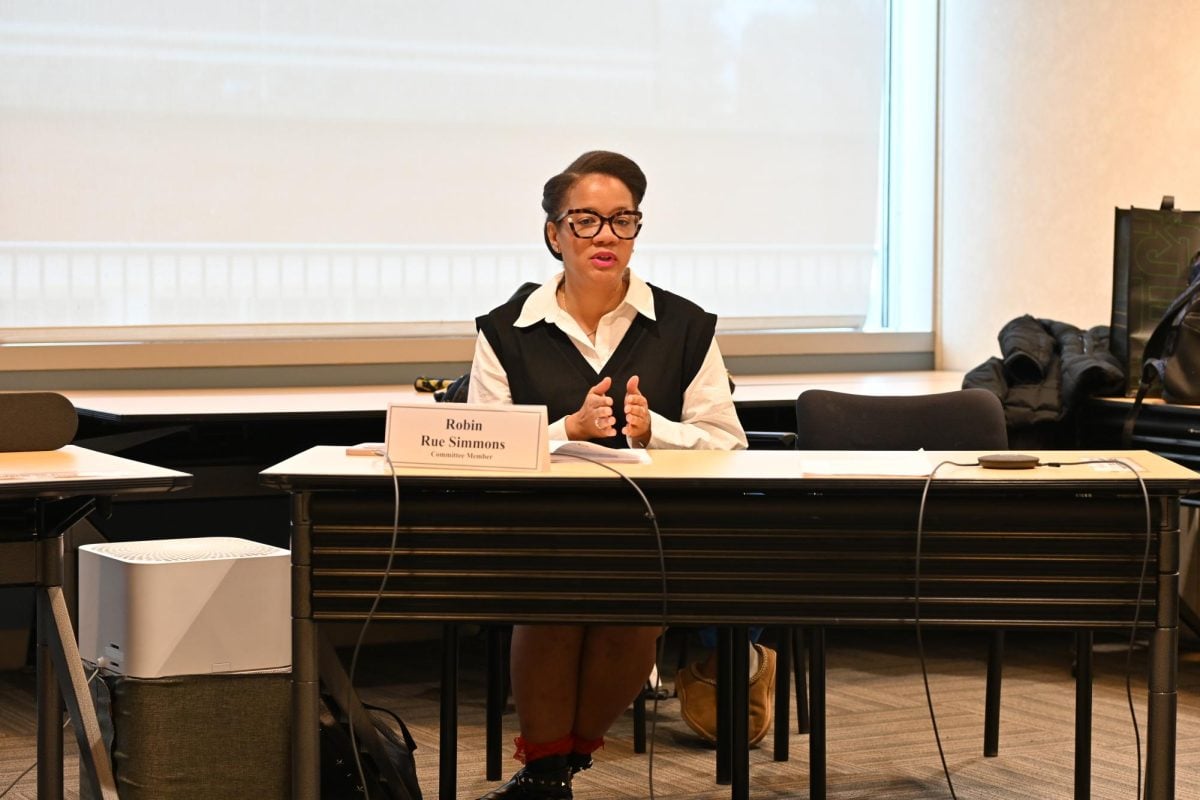
Committee member and former Ald. Robin Rue Simmons (5th) said she believes the lawsuit is a “threat” to prevent Evanston from setting a precedent and inspiring other cities to create similar reparations programs.
“I’m not afraid of Donald Trump and the Department of Justice, and I’ve been well prepared for these types of attacks,” Simmons said.
For fiscal year 2026, the committee distributed funds to 44 eligible individuals, totalling to about $7,334,646.71 in disbursements so far. No changes have been made to the city’s disbursement plan at this time, according to a statement from its legal department read aloud during Thursday’s meeting.
Under the schedule established by the court, Evanston must respond to the federal government’s motion to intervene by July 20, and the federal government has until Aug. 3 to address the city’s response. A hearing has not yet been scheduled.
During the meeting, Rev. Michael Nabors of Evanston’s Second Baptist Church, president of the Evanston/North Shore Branch NAACP, expressed support for the program. He helped establish the Reparations Stakeholder Authority of Evanston, a nonprofit organization that manages funds from the Evanston Reparations Community Fund.
Following the federal government’s motion, RSAE reached out to past collaborators and received statements of support from local organizations such as the Evanston Interfaith Clergy and Leaders, as well as from reparation programs in Arkansas and Virginia.
“They come from so many different states and so many different cities that are talking about supporting reparations in general and specifically supporting reparations in Evanston,” Nabors said.
RSAE sought further support from about 20 social justice organizations, including the NAACP. The committee will have an opportunity to present its reparation initiatives during the organization’s upcoming convention in Chicago to spread awareness, Nabors said.
RSAE also distributes funds to Black churches through Evanston Own It, a coalition of Evanston churches working on youth civic initiatives. Its $25,000 grants are intended to support the churches with their community programs focused on affordable housing, economic development and youth education. While five out of 16 churches submitted the application for the grant so far, RSAE aims to make the application process easier so that grants are more accessible, Nabors said.
Some community members argued reparations alone are not enough to rectify past racial injustices. Evanston resident Tina Paden said reparations are like a “Band-Aid” if the underlying issue is not solved, referencing Evanston’s shrinking Black population.
“It needs to be a broader support for our community, because soon there won’t be any of us left here,” Paden said.
Email: [email protected]
Related Stories:
— Federal government moves to join lawsuit against Evanston’s reparations program
— Lawsuit against Evanston’s reparations program allowed to proceed
— Descendants of Evanston residents file federal class action suit against reparations program