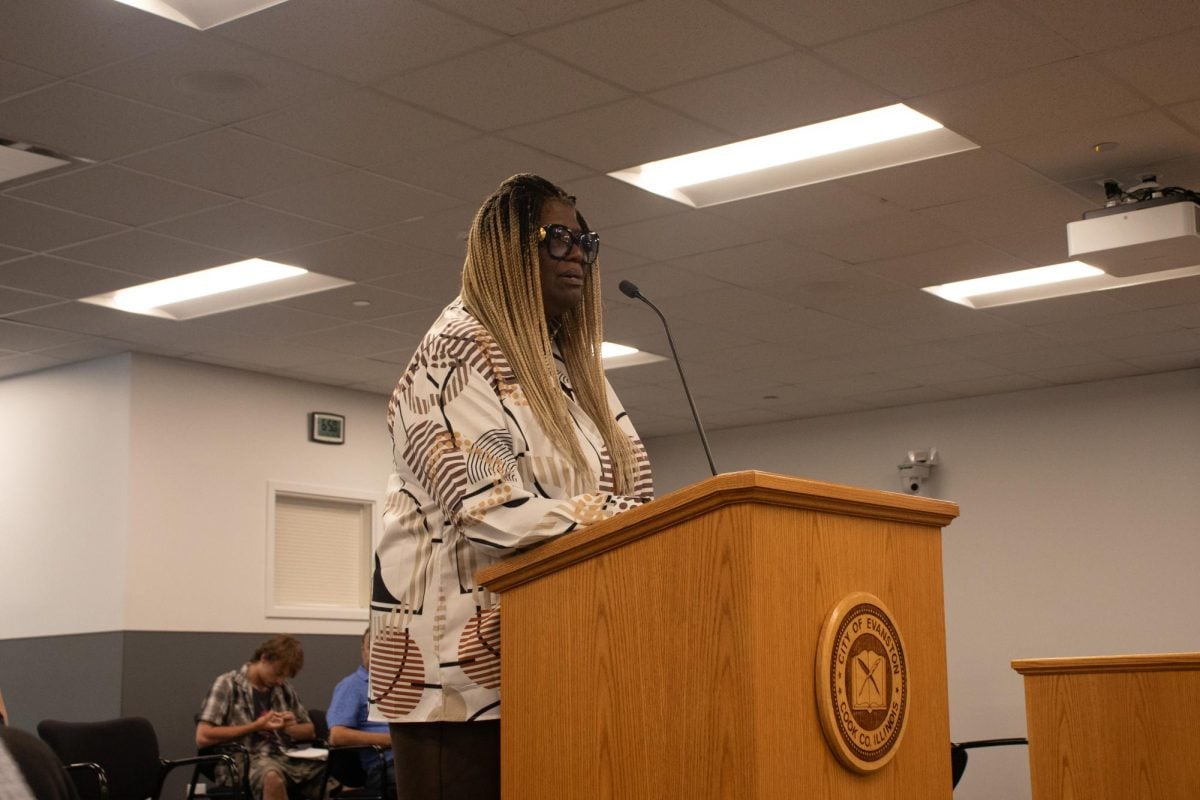
When community activist Meleika Gardner returned to Evanston as an adult, she said the city she remembered from her teenage years “felt different” due to what she described as a “mass exodus” of Black residents.
“It’s become more about green than Black,” Gardner said. “It’s about the money and who can afford to stay here.”
In 2000, Black residents made up 22.5% of Evanston’s population, but by 2024, 14.4% of the city’s residents were Black, according to U.S. Census Bureau data. Many community members, like Gardner, a 7th Ward resident, attribute this change to rising housing costs and a shifting economy.
In January, City Council adopted the Envision Evanston 2045 comprehensive plan, a document that prioritizes the creation of affordable housing, which the city has centered in conversations around its development of the plan. Others embrace alternative approaches, including reparations, to maintain the city’s diversity.
Rev. Michael C. R. Nabors, the president of Evanston’s National Association for the Advancement of Colored People, said he thinks the city is “losing a stock of our diversity.”
“We have not been able to replace Blacks who are moving because housing has just gone up out of this world,” Nabors said. “For the Blacks who’ve been here for a generation or more, their parents or grandparents probably bought homes for a fraction of that amount.”
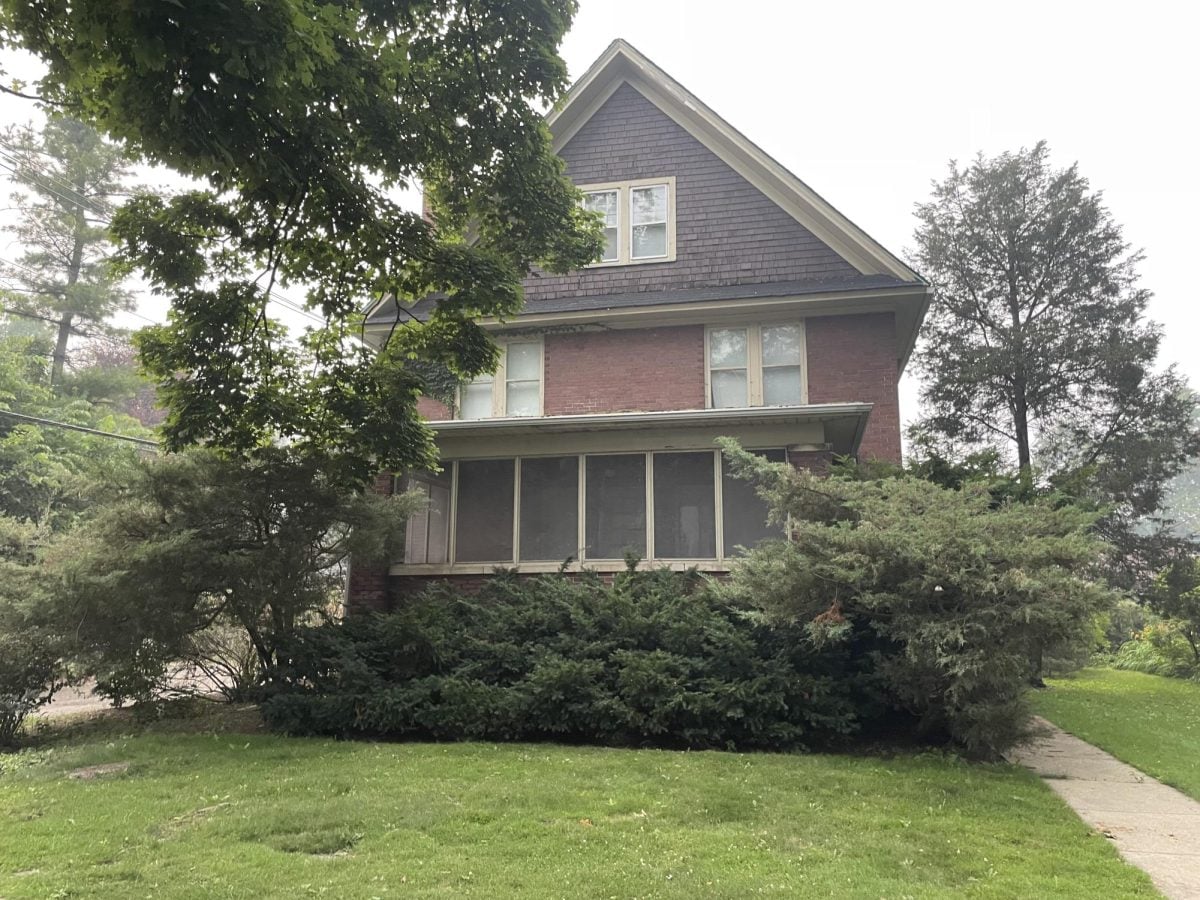
According to U.S. News & World Report, the median home value in Evanston is just under $428,000. The city has about 35,000 total units, 32% of which are single-family homes, according to the Institute for Housing Studies at DePaul University.
John Storey Williamson, a 3rd Ward resident and real estate broker, said Evanston’s single-family housing stock is “not as attainable as it once was.”
“I don’t know that I have that many clients that if they can go and get a starter home in Glenview or Skokie, they’ll want a duplex or a condo for that same price in Evanston,” Storey Williamson said. “You have to really work with your clients if they really want to be in Evanston, because the inventory just isn’t there.”
To address concerns about housing affordability, Council has discussed updates to the city’s zoning code and housing policies.
After much debate over the comprehensive plan’s housing chapter, councilmembers outlined policies to “increase housing choice and supply, preserve existing homes, prevent displacement, and preserve racial and economic diversity.”
Ald. Clare Kelly (1st) told The Daily that subsequent upzoning proposals should include “measures and plans to protect Evanston’s income diversity.”
“Without careful and thoughtful planning, simply increasing density will only create a more densely expensive Evanston, and not support improving affordability itself,” Kelly said.
But some say these rezoning initiatives may not be a simple solution.
Pritzker Prof. Nadav Shoked, who specializes in property law, said rezoning land to allow for multi-unit properties won’t dramatically shift the market.
“It helps, in a way, make it something more affordable for those who already have money,” Shoked said. “Does it really open up the doors for those who are really poor, working class? No. For that, you need to do much more with affordable housing, which requires not just changing the zoning, but actually also putting in city money.”
Beyond zoning, some community members told The Daily the city’s reparations program could also help alleviate affordability pressures. Nabors said the program is a “major, important first step” to address population shifts.
In 2019, Evanston became the first U.S. city to launch a reparations program for Black residents for decades of racial housing discrimination. The city recently approved $25,000 payments to 44 additional individuals who qualified for the program in February.
“Millions of those dollars now are being used to support Black families in Evanston that have been damaged by historical racism related to housing,” Nabors said. “I know it’s a fraction. You can’t pay for all of the damage that has been done, but I think finding opportunities for funding to help Black families remain in Evanston is important.”
Some residents, however, take a much more critical stance on the reparations program.
Second Ward resident Darlene Cannon said the program is “not repairing anything.”
“We had redlining here, and my family was forced to live in the 2nd Ward instead of being given an option to live in the 6th or 7th Ward,” Cannon said. “Twenty-five thousand dollars doesn’t make up for the true damage that was caused.”
Still, Nabors said he sees reparations as the beginning of a “cooperation” between Black residents and city developers and officials. Going forward, he said building multi-unit properties could help Black residents stay in Evanston.
Since the timeline for any zoning changes is uncertain, Nabors said he is worried the Black population in Evanston will continue to decline, similar to what he said he saw when he began his career in Princeton, New Jersey.
“If something is not done in Evanston to stop the outmigration of Blacks, the same thing is going to happen,” Nabors said. “We’re going to hardly have any Blacks in the Evanston community.”
Email: [email protected]
Related Stories:
— Meet the residents on both sides of Evanston’s housing debate
— City Council votes 5-4 to pass landmark comprehensive plan
— Reparations Committee announces 44 new payments, explores Delta-8 tax