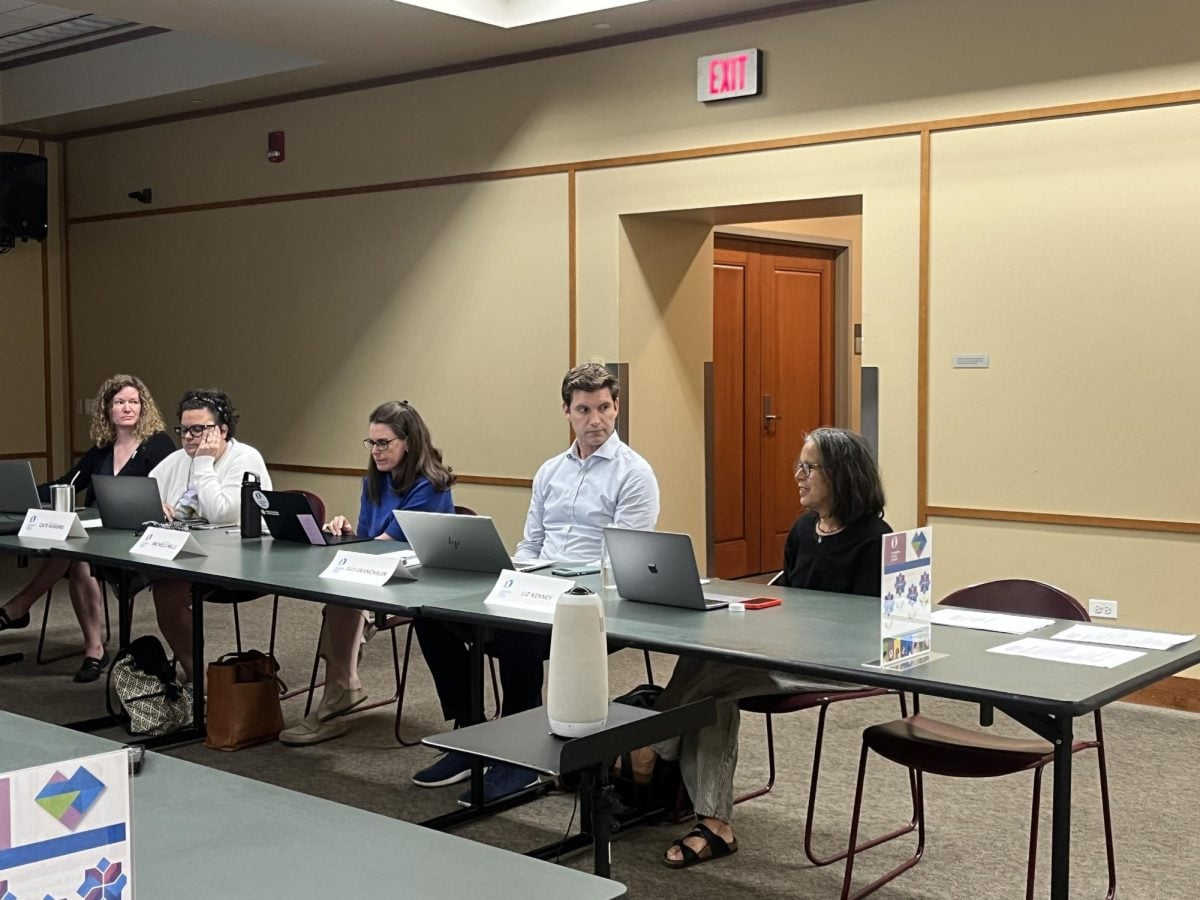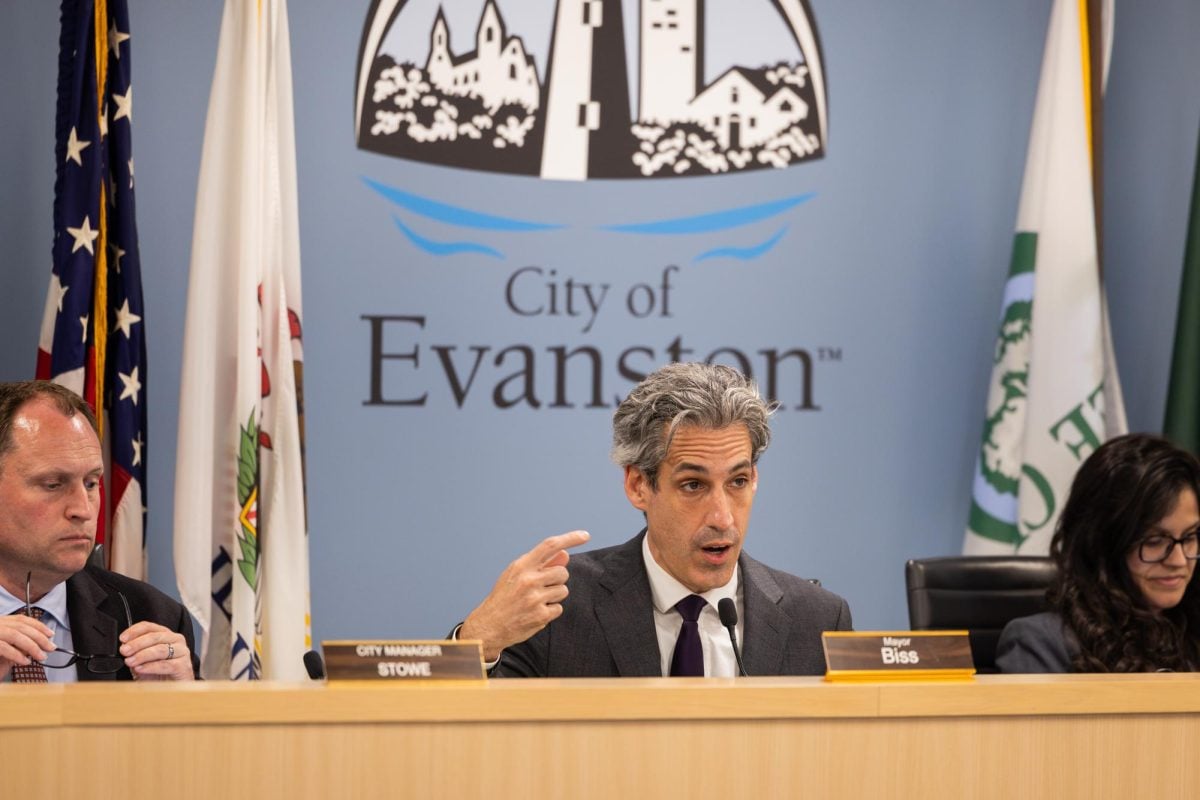
The Evanston Reparations Committee advanced a new tax on Delta-8 THC products and a $310,000 allocation from a city property sale, both of which would expand the city’s reparations fund.
The committee voted 4-1 to pass a recommendation to City Council to institute a tax on Delta-8 THC products. The tax would generate revenue that would be allocated to provide additional benefits under the reparations program.
Delta-8 is a type of THC typically manufactured from hemp. It is unregulated and legal in Illinois. Evanston has the authority to tax and regulate Delta-8 products, as a home-rule municipality.
Ald. Krissie Harris (2nd) said she is working with Evanston police to create a city ordinance that would either ban Delta-8 in Evanston or regulate its sale based on age, and heavily fine sellers who violate the rule.
“Our kids are using this,” Harris said. “It’s not regulated. It’s a hot mess.”
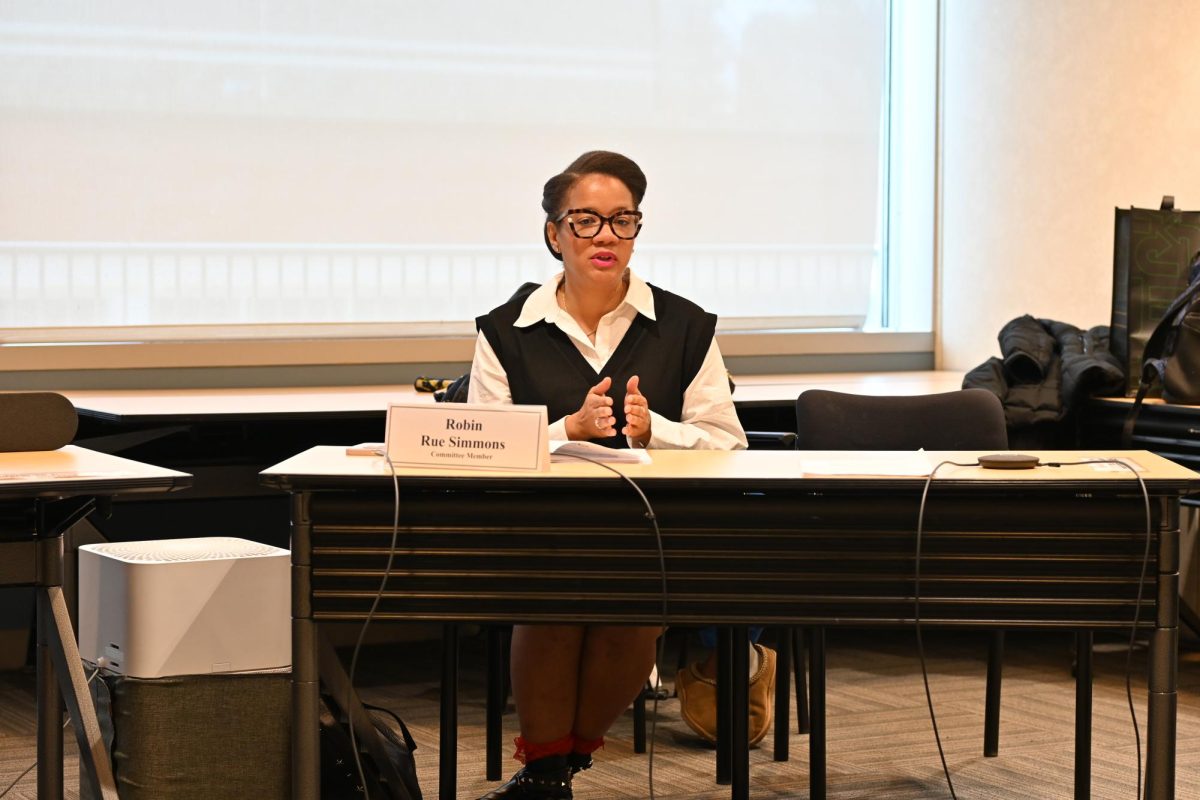
Former Ald. Robin Rue Simmons (5th) responded that the revenue from taxing Delta-8 products would nonetheless be important for increasing funds for the program. She added that the committee could provide a comment on the recommendation to Council regarding the harm of the product.
Committee member Carlis Sutton, the only vote against the recommendation, expressed concern that Delta-8 products may be banned in the near future.
“Why are we voting on something that might be repealed by the state?” Sutton asked.
A loophole in the Agriculture Improvement Act of 2018 regulates Delta-9 THC products, not hemp-derived Delta-8, leaving the latter without the same safety, testing and age restrictions.
A 2026 agricultural spending bill, which passed the U.S. House of Representatives’ agriculture committee on March 5, would place a ban on hemp-derived products, including Delta-8.
The committee also approved a recommendation to Council to allocate $310,000 from the sale of a city property to support additional benefits for the reparations fund.
After its conversation about funding, the committee also discussed updates relating to the Reparations Stakeholder Authority of Evanston.
Rev. Michael Nabors, a pastor at Evanston’s Second Baptist Church, helped establish RSAE. He informed the committee that at the end of last year, donations to RSAE reached the organization’s $1 million fundraising goal.
A bulk of the donations came from 16 houses of worship and several additional religious organizations and individuals, he said.
Nabors added that the first round of contributions from the fund will go toward Black congregations in Evanston. In partnership with Evanston Community Foundation, RSAE has provided some of the churches with applications for grants that would fund neighborhood projects addressing issues such as affordable housing, according to Nabors.
Simmons praised the program’s impact, noting that Chicago has also begun a reparations program and pointing to a recent United Nations’ vote to recognize the transatlantic slave trade as the “gravest crime against humanity.”
“We are in a nation that has now been inspired, and many other communities are doing it,” she said.
The committee will meet next on May 7.
Email: [email protected]
X: @BethkeTia
Related Stories:
— Lawsuit against Evanston’s reparations program allowed to proceed
— Reparations Committee announces 44 new payments, explores Delta-8 tax
— Reparations Stakeholders Authority of Evanston prepares to distribute $400K to Black churches