Five years after the Reparations Stakeholder Authority of Evanston announced it would create its own privately funded reparations program, the organization is now set to distribute $400,000 to Evanston’s Black churches.
The project has been years in the making. In February 2021, RSAE announced it would raise funds to directly benefit Black community members, complementing the city’s tax-funded reparations initiative. In June 2022, leaders from 16 congregations in Evanston’s interfaith community pledged to contribute to RSAE.
The organization finished raising its goal of roughly $1 million by Martin Luther King Jr. Day in 2025. Since then, RSAE has consulted with community members about how best to distribute the funds.
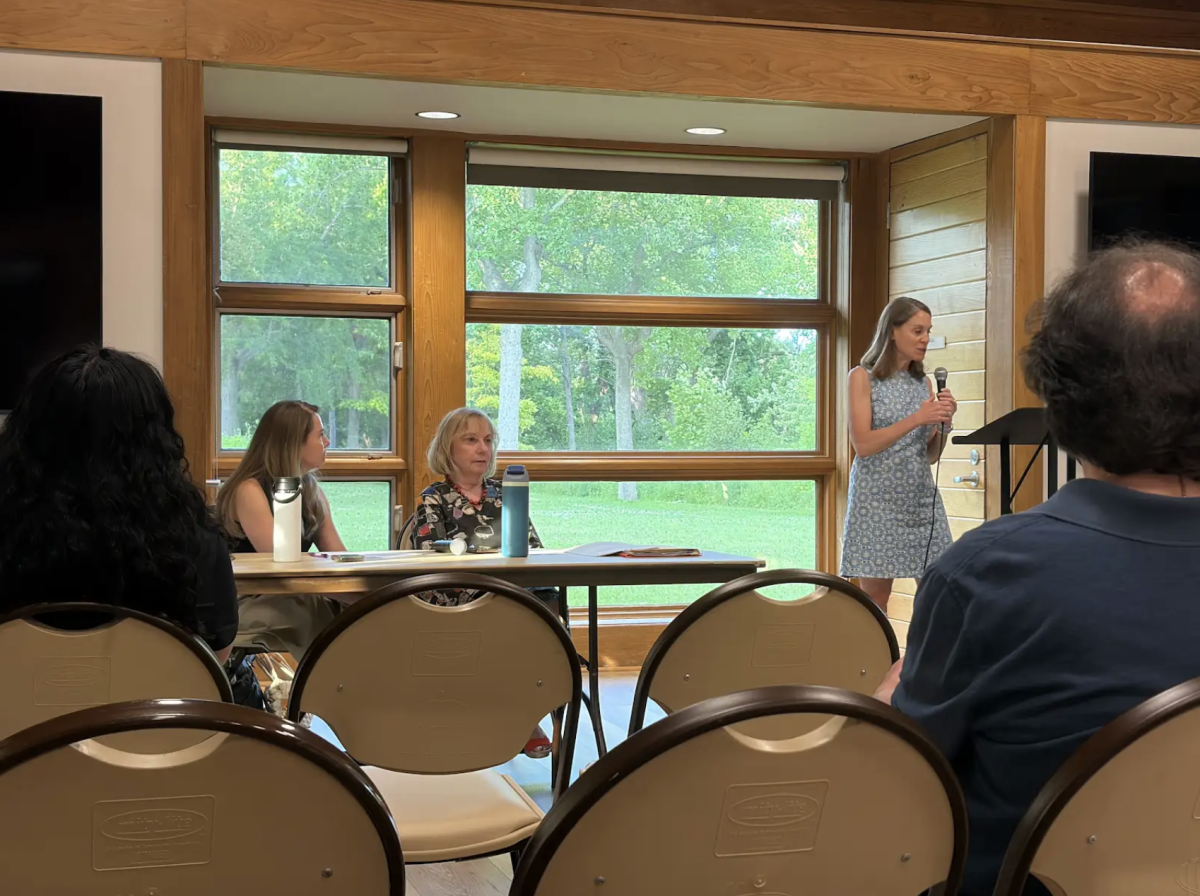
In January, Rev. Dr. Michael Nabors, a pastor at Evanston’s Second Baptist Church who helped establish RSAE, announced the fund would begin distributing a portion of the money to historically Black churches around the city.
Nabors told The Daily the funds would be distributed as grants to individual congregations.
Through interviews with various members of Evanston’s Black community, Nabors said he identified three key priorities: housing, economic development and education. However, the city’s reparations program, financed through a 3% tax on cannabis, is already providing direct cash payments to Black residents to repair their homes.
“We thought we would get away from housing because that’s where the money has been going from Evanston reparations,” Nabors said.
Instead, Nabors envisions local churches using RSAE funds to support Black entrepreneurs, help Black residents pay their bills and fund soup kitchens and workforce development initiatives.
According to data from Evanston Township High School, around a quarter of graduates do not attend college. Nabors said he hopes RSAE will help graduates pursue apprenticeships for careers as electricians or plumbers. The organization is also partnering with National Louis University to find trade jobs for non-college graduates, he added.
Nabors said he hopes reparations can reverse the outmigration of Evanston’s Black residents, which he attributes to rising housing costs. The number of Black Evanston residents fell from 16,449 in 2000 to just 12,329 in 2020, according to census data.
Nabors added that the loss of Evanston’s Black residents reminds him of the decline of the Black population in the Witherspoon-Jackson neighborhood of Princeton, New Jersey, where he served as a pastor until 1992.
“What I saw 30 years ago, I am beginning to see here,” Nabors said. “When Blacks are selling their home, other Blacks are not buying the home.”
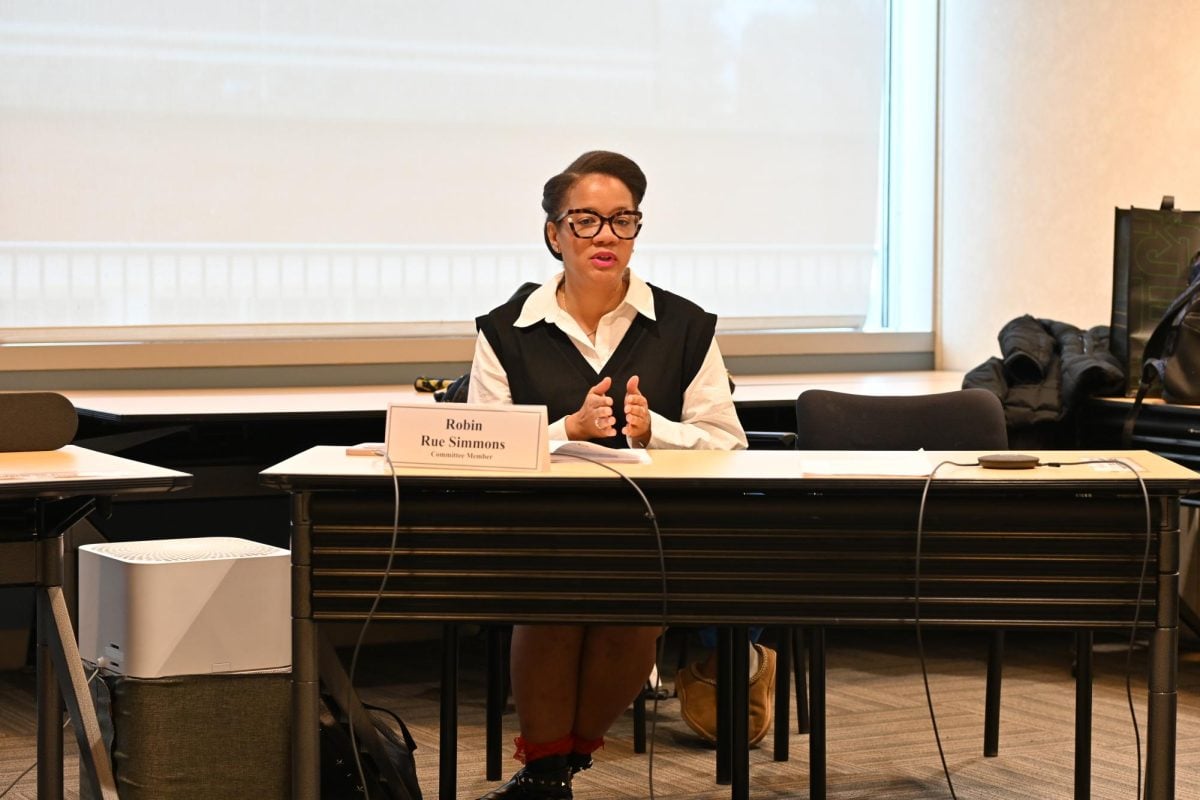
Former Ald. Robin Rue Simmons (5th), who spearheaded the city’s reparations program and advises RSAE, said the organization’s approach to distribution allows the Black community to outline the terms of redress.
“It was important that the RSAE find an infrastructure that is already engaged with the Black community and trusted by the Black community,” Rue Simmons said. “And our Black church serves the community at large — not just its membership, but its immediate neighbors as well — and it is an efficient and accurate way to advance reparations.”
The city and RSAE have become models for cities across the country, including Princeton, that are interested in establishing reparations programs for Black Americans, Nabors said.
He pointed to the success of Evanston’s annual reparations symposium as an example. In December, around 250 people from at least 76 different communities attended the fifth annual reparations symposium, according to reporting from the Evanston RoundTable.
The symposium is hosted by the reparations nonprofit FirstRepair, which was founded by Rue Simmons.
“This work is intergenerational,” Rue Simmons said. “We are talking about centuries of harm and near-immeasurable impact, but the beauty of Evanston is that our community together is taking a first step toward repair in a tangible way.”
There are at least 100 reparations groups in the U.S., many of which have sent representatives to the event, according to Nabors.
Attendees have included activists seeking compensation for the 1921 Tulsa Race Massacre and advocates for former residents of Section 14, a historically Black and Hispanic neighborhood in Palm Springs, California, that was razed by local officials in the 1950s and ’60s. In both cases, city governments approved historic reparations packages within the past two years.
“We’ve worked with all of these groups,” Nabors said. “And they have learned fortitude, they’ve learned to talk to each other, they’ve learned how to deal with elected officials and they have not stopped.”
Nabors has traveled across the country to speak about reparations, visiting activist groups in cities as far as Palm Springs; Roanoke, Virginia; and Dayton, Ohio.
Rev. Eileen Wiviott, senior minister at the Unitarian Church of Evanston, said her congregation raised nearly $50,000 for RSAE.
But Wiviott emphasized neither she nor any members of Evanston Interfaith Clergy and Leaders, which represents mostly white congregations, should determine how Evanston’s Black churches use the funds.
Wiviott said reparations are particularly important at this point in the history of the U.S., which she described as an “empire” in collapse.
“I fully believe that we are where we are right now because we have never reckoned with the original sins of this country: the stolen land and the enslavement of human beings,” Wiviott said. “Without really reckoning with that on a spiritual, physical, financial, emotional, mental level, we will never be able to build something out of the wreckage of what we’re in right now.”
Email: [email protected]
X: @MaxTuretzky
Related Stories:
— With $1 million raised, RSAE turns to Black residents to shape reparations allocation plan