This review contains spoilers.
When I heard Dove Cameron and Avan Jogia would be starring in “56 Days,” I didn’t realize they would be the only highlights of the Prime Video exclusive.
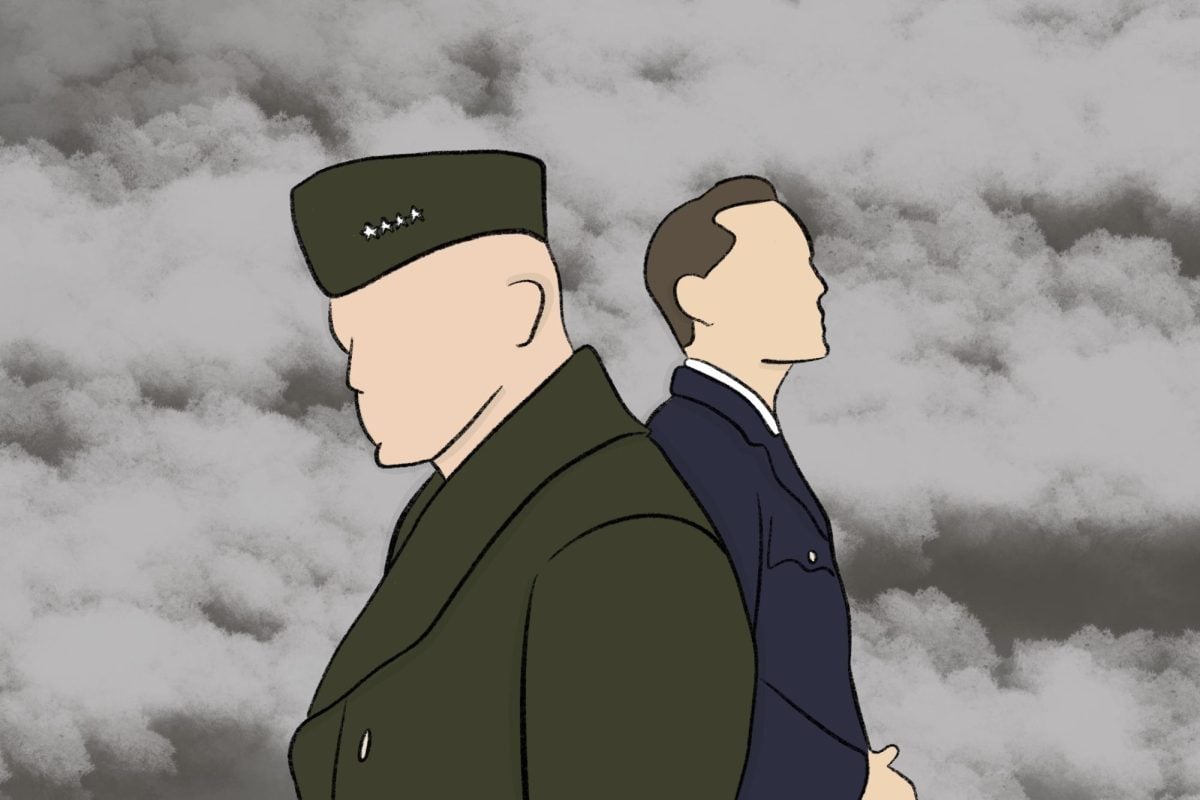
Released Feb. 18, the eight-episode adaptation of Catherine Ryan Howard’s eponymous novel is not only completely altered but disturbing in all the wrong ways. Bouncing between timelines, the present-day plot follows homicide detectives Lee Reardon (Karla Souza) and Karl Connolly (Dorian Missick) as they investigate skeletal remains found in the bathtub of a fancy apartment.
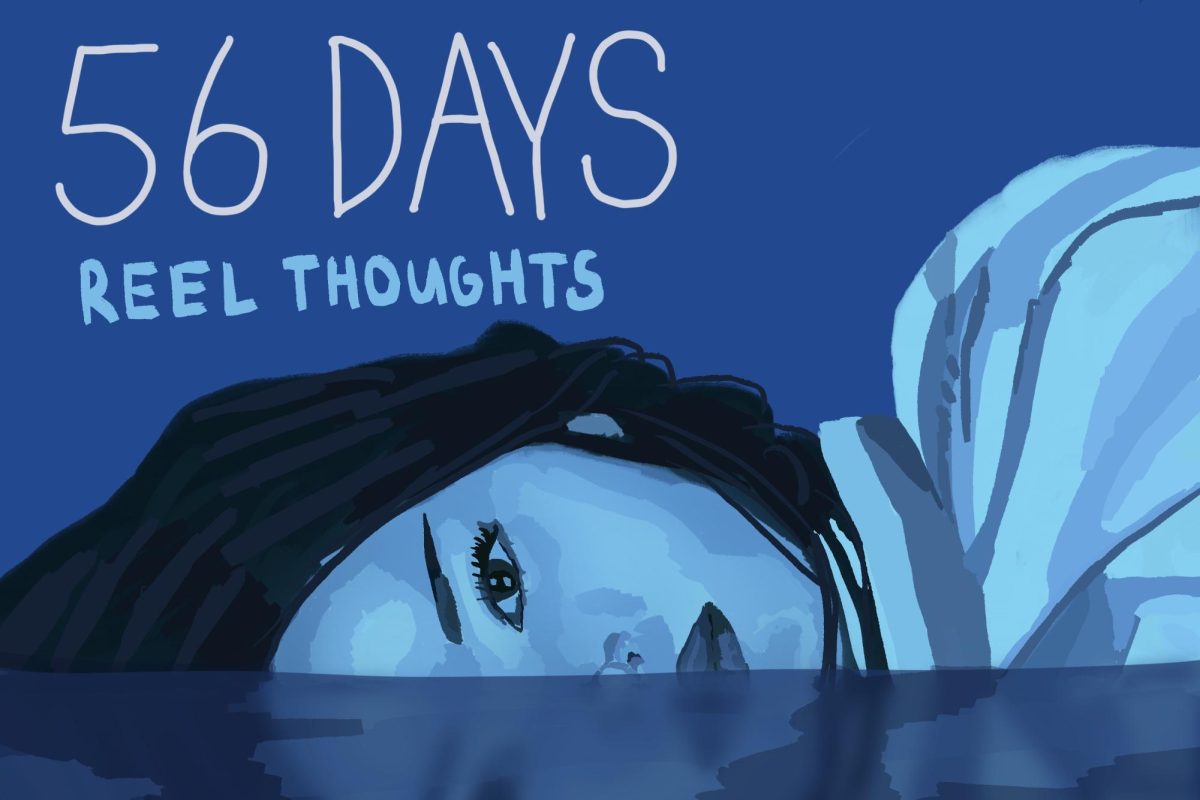
The parallel plot begins 56 days prior and slowly creeps toward the present detective storyline. Ciara Wyse (Cameron) moves to Boston and bumps into Oliver Kennedy (Jogia) — a meet-cute that quickly snowballs into a ravenous romance.
Beneath the surface though, each character is revealed to have devastating secrets. Ciara and Oliver are false identities — both are connected by a mysterious murder that occurred during childhood. Lee gets caught in a sequence of lies. Karl is completely normal, just mildly depressed.
Unfortunately, these secrets were all revealed in Episode 1, leaving nothing more to be desired. It is quickly established that Oliver is not a villain despite his murderous history, erasing any mystique. Instead, it depicts Ciara as the vengeful mastermind who orchestrated their entire relationship.
However, neither of their motives are fleshed out until Episode 7. While this does add suspense, it makes the characters unsympathetic instead of complex.
Ciara and Oliver’s relationship is also deeply dysfunctional, though the show brands it a dark romance. Cameron and Jogia have fantastic chemistry, but because their interactions are entirely built on manipulation, their connection feels forced.
The series repeatedly frames obsession as passion with close-up shots and swelling music, as if encouraging the audience to root for them. Despite eventually moving past their deranged behavior, the couple’s bond reads as abusive codependency rather than genuine love — and the show rewards it.
Ciara’s stalking and deception is instantly forgiven. Oliver’s avoidance and erraticism is softened into trauma. By the finale, their lies are not treated as red flags but as obstacles overcome so they could be together. The way the show earnestly tried convincing me that those two have a healthy relationship left me in such a state of disbelief that I nearly fell for it. Now, I’m just mad.
Faults aside, the cast is truly incredible. Souza and Missick gave life to the detectives in spite of poor characterization. Cameron is emotive and her acting is realistic rather than melodramatic. Jogia did a fantastic job depicting Oliver’s struggles with anxiety and paranoia, powerfully conveying his raw, overpowering guilt over the murder and framing of Ciara’s brother.
Sadly, there were few other highlights. Nearly every line is delivered with obnoxious allusions to plot twists and the excessive swearing becomes irritating. I could count on one hand the number of times a character speaks without cursing.
Additionally, the present-day timeline is boring and unnecessary. Lee and Karl are reduced to caricatures of depressed detectives and the murder investigation provides little thematic payoff. Instead of enriching the plot, their scenes feel like commercialized filler.
The most damning aspect of all is the introduction of Oliver’s greedy therapist, Dan Troxler (Patch Darragh), as the main villain. Troxler is revealed to have isolated Oliver to capitalize on his poor mental health and was highly involved in the death of Ciara’s brother.
In the novel, however, Troxler does not exist. The adaptation creates him to serve as a one-dimensional scapegoat, allowing Ciara and Oliver to appear as survivors of a greater evil. Their ending is idyllically domestic — a neatly packaged reward for their mutual abuse.
What could have been a chilling exploration of obsession and accountability instead becomes a tropey romance.
Not every thriller needs to be a cautionary tale. But “56 Days” glorifies emotional abuse and criminal behavior as an aspirational romance. It reframes stalking, gaslighting, violence and deception as survivable — even necessary — steps toward true love.
Honestly, I am thrilled it is over.
Email: [email protected]
Related Stories:
— Reel Thoughts: ‘How to Make a Killing’ puts a murderous yet dull spin on a traditional adage
— Reel Thoughts: ‘Crime 101’ is a high-intensity ride from start to finish
— Reel Thoughts: ‘The ’Burbs’ is as painfully cookie-cutter as American suburbia