The Evanston History Center hosted local author Morris “Dino” Robinson Tuesday evening to explore his new book, “Gatherings: The History and Activities of the Emerson Branch YMCA.”
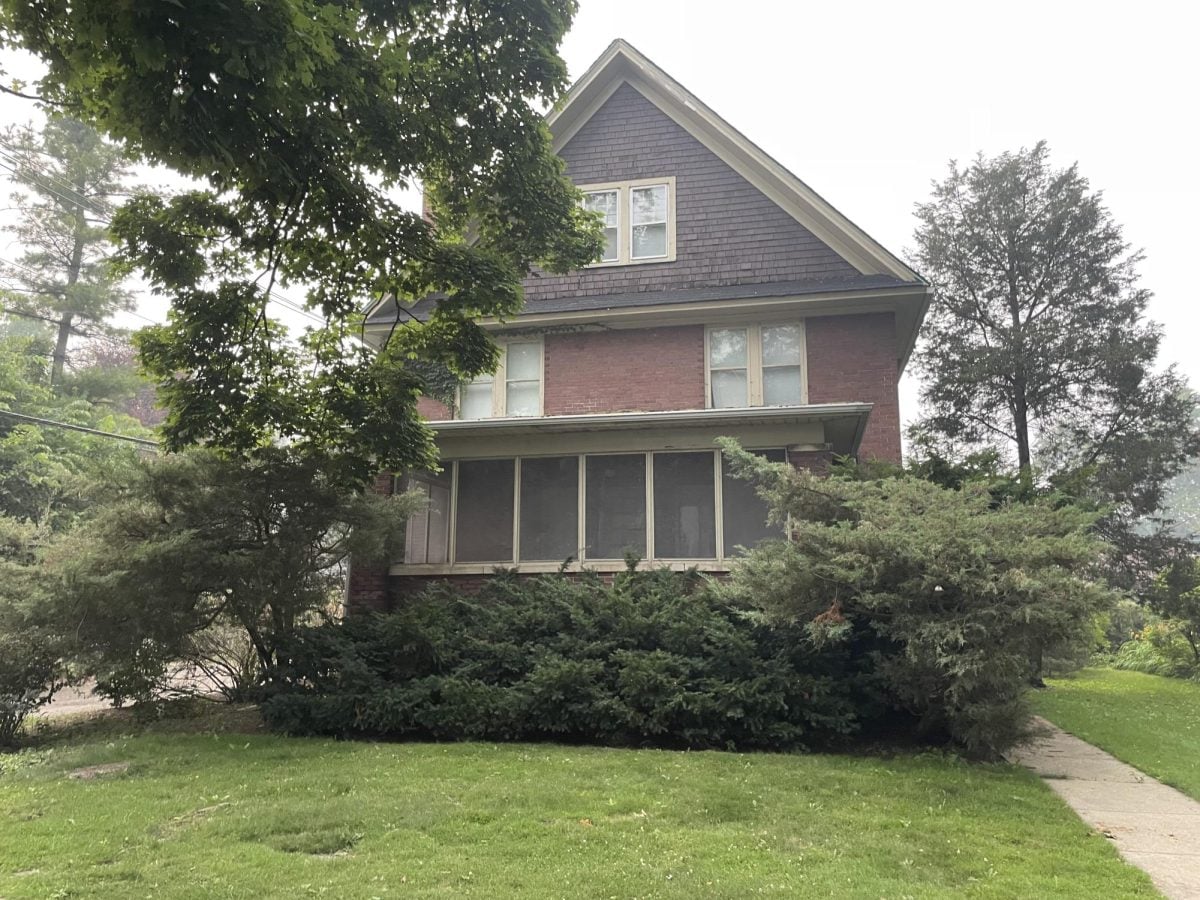
The foyer of the center’s headquarters, the mansion of Former U.S. Vice President Charles Gates Dawes, bustled with attendees holding newly-purchased books before Robinson outlined the YMCA’s history in Evanston. The institution remained segregated for decades during the Jim Crow era and was the “place to be,” he said.
A hub for Evanston’s Black community and frequently called the Emerson Y, the branch hosted congregational meetings for Black churches, various clubs and even social events like a prom for Black teenagers.
The McGaw branch of the YMCA, open only to white Evanston residents, was desegregated in 1963, leading to the Emerson Y’s closure. Despite efforts from Black residents to purchase the building and preserve its status as a community center, the Y’s owners declined to sell them the building, Robinson said. The branch closed in 1969, and the building was sold to another business before being demolished.
“No fanfare,” Robinson said of its closure. “An insult to the community.”
“Gatherings” describes the “collective open wound” left for Black community members, he explained. With the building having been gone for decades, Robinson’s book aims to preserve the stories of those impacted by the Emerson Y and, in turn, the history of Evanston’s Black community.
His presentation included many archival photographs, newspaper clippings and advertisements that resurfaced during his research. One picture of the Emerson Y basketball team taken in 1914, given to him by a colleague, inspired Robinson to create an updated version of the book with the team on its cover. The updated second edition also includes a floor plan of the branch and one additional chapter.
“Unfortunately, a by-product of (desegregation) is the loss of important African American institutions,” Robinson said. “The thought process is, ‘Give up what you have, and just come into our history and forget about your history.’ And what I want to do is preserve this important history into something permanent that people can view and study.”
During Robin’s presentation, multiple audience members chimed in, describing their experiences growing up in Evanston and attending the Emerson Y.
Attendee and EHC Board Member Katie Trippi said she originally took swim lessons at the McGaw branch but switched to the pool at the Emerson Y because it was shallower. Black Emerson Y members could not attend the McGaw branch, but white residents like Trippi could attend any branch they pleased.
As a seven-year-old girl, Trippi recalled just being happy her feet could touch the bottom of the pool.
“I think, predominantly, there were probably more Black kids than white kids,” Trippi said. “But I had no consciousness of it. It was just that their pool was easier to swim in.”
The event ended overtime due to the series of questions as well as personal anecdotes from audience members, including many who grew up in Evanston during or soon after the Jim Crow era. EHC’s Director of Public Engagement Krista Fabian said the event, which drew about 50 attendees, was the ideal size to spark “a conversation where everyone can be involved.”
Fabian added she wants to hear from Northwestern students about events they’d like to see at EHC. For her, events like Tuesday’s talk are key to helping students better understand Evanston’s history.
“I think what this talk showed is that there are so many layers to a community,” Fabian said. “I think that being in college is being a part of that community.”
Email: [email protected]
Related Stories:
— New Evanston History Center director brings passion for historical homes and costumes
— McGaw YMCA celebrates 140th birthday with conversation about organization’s history in Evanston
— McGaw YMCA employees aim to empower marginalized communities through leadership networks