After over a month of silence surrounding Envision Evanston 2045, City Council reconvened for a special meeting Monday night — the fifth meeting in a summer-long mission to deliberate final additions to the city’s in-progress comprehensive plan.
A little over halfway through the over five-hour endeavor, the council found itself only two items into the 91-item agenda.
The councilmembers were resigned to schedule yet another meeting, extending the public hearing to Oct. 20 as a tentative end to the editing process. They will vote on adopting the plan in a subsequent meeting, Mayor Daniel Biss said.
“That goal is reasonable,” Biss said. “I think it’s consistent, again, with the pace that we were working at tonight. It’s what we owe the community, again, given the urgency of these issues.”
The Monday night meeting was initially scheduled for Aug. 18, but was canceled due to Ald. Parielle Davis’ (7th) medical leave. The delay exceeded the 90-day limit to vote on the Land Use Commission’s recommendation from May 21 requiring a new public hearing and council review.
Councilmembers evaluated 51 edits to the comprehensive plan, over half of the items on the meeting’s docket. However, deliberations were punctuated with echoes of residential concerns over “by-right” housing language and confusion over agenda items.
The plan’s policy goals “to preserve and increase Evanston’s diverse housing choices,” last discussed at the Aug. 4 meeting, were also up for further discussion and a final vote at the start of the session.
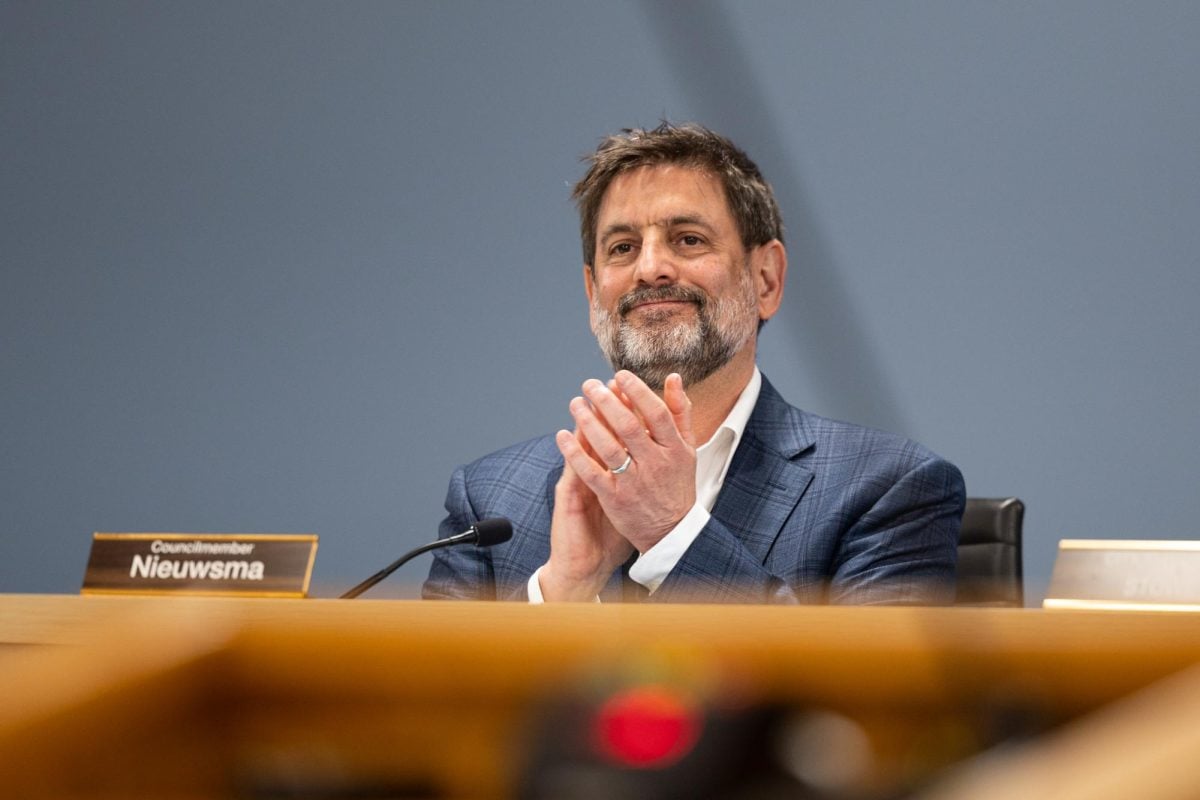
Ald. Jonathan Nieuwsma (4th) proposed an amendment in favor of small-scale, multi-unit housing development by-right in all residential districts and higher-density housing in mixed-use and downtown districts. By-right designation in zoning allows for development without special permits or review.
Nieuwsma added that he wants to expand the types of housing permitted in single-family R1 and R2 zoning districts.
“Now I’m not saying everything that’s R1 can then be used for a 20-story high-rise of 150 units. That would be silly,” Nieuwsma said. “Everything has to be done with a high degree of common sense of scale, a sense of the neighborhood.”
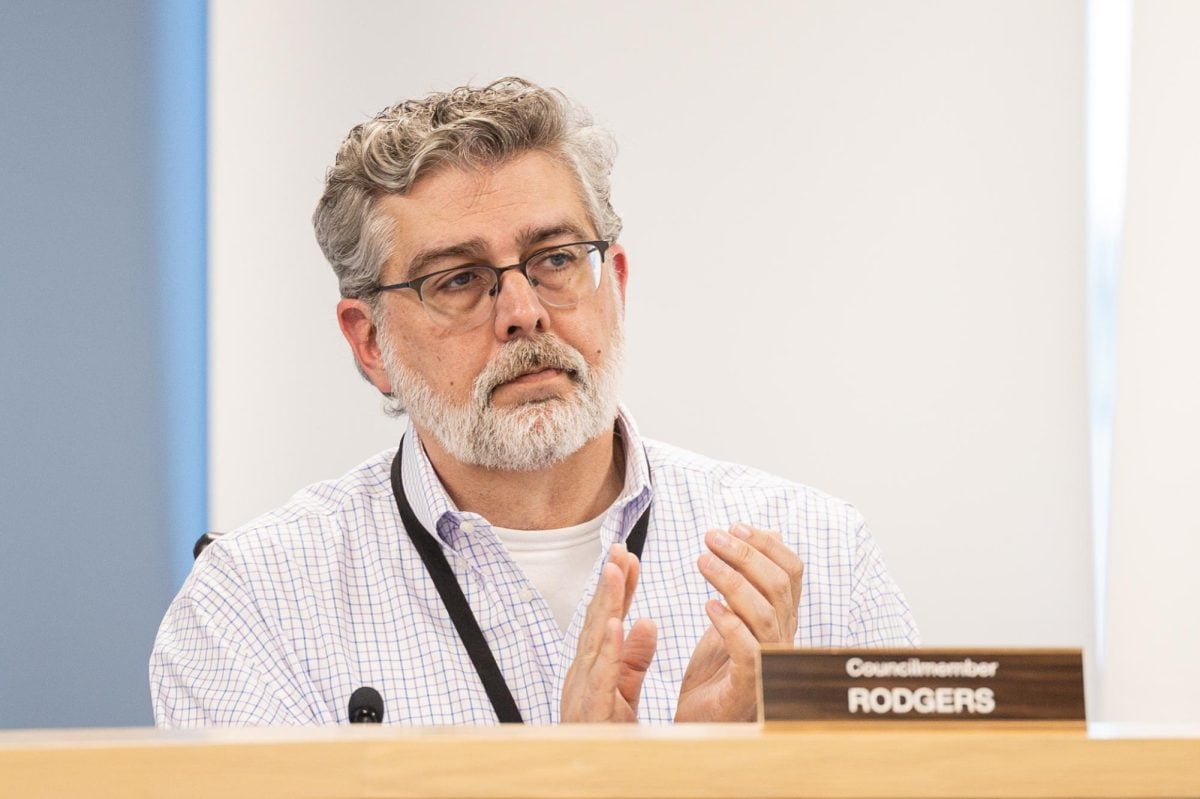
Nieuwsma’s amended proposal was narrowly adopted 5-4, with Davis and Alds. Clare Kelly (1st), Tom Suffredin (6th) and Matt Rodgers (8th) dissenting.
Ald. Bobby Burns (5th) then successfully added conditional language to Nieuwsma’s proposal, grounding major zoning reforms in research and requiring evidence-based evaluations of zoning overhauls. Attempts made by Kelly to eliminate “by-right” from the proposal failed.
The stark division in the vote drew ire from Kelly, who called 5-4 votes “unhealthy” and said the decision should require a stronger consensus.
“It’s really important that we’re not divided four-five on all these, really. We’re talking about a 20-year plan,” Kelly said. “I don’t know if we’re doing the work we should be doing.”
Throughout the rest of the meeting, the council plowed through remaining agenda items — mostly suggestions penned by Kelly, Rodgers and Nieuwsma — largely in unanimous agreement.
Revisions from the meeting included an additional pledge to explore plans for a city-operated bus service to connect shopping, employment, transit and civic areas to locations currently underserved by local transit routes. The council also added city environmental goals, like ambitions for a mandatory compost program, and introduced goals for ensuring fiscal sustainability for planning and policy.
While Biss said after the meeting that councilmembers can continue to make motions for new agenda items on Oct. 20, he says it would not be “best practice.”
“It would be deeply uncool,” Nieuwsma affirmed.
Email: [email protected]
Related Stories:
— Comprehensive plan gains additional meeting amid entrenched arguments
— Housing language debates dominate City Council’s first Comprehensive Plan review