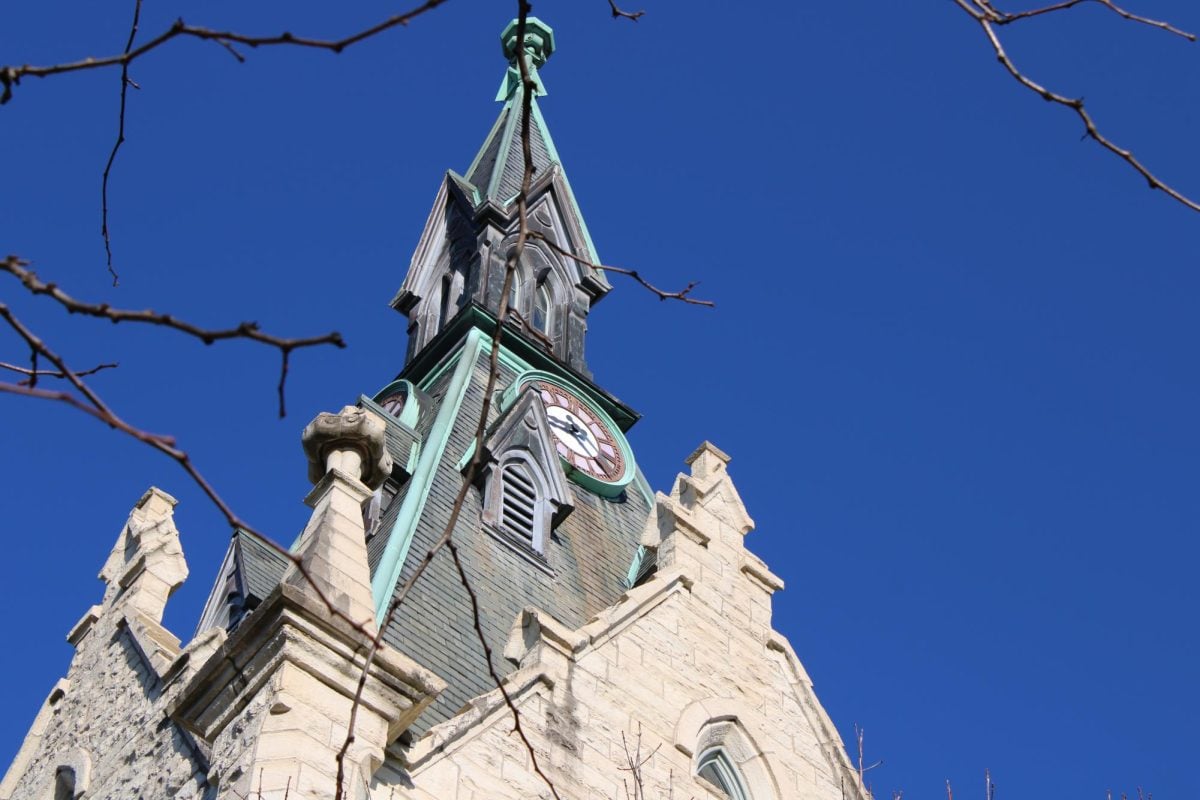
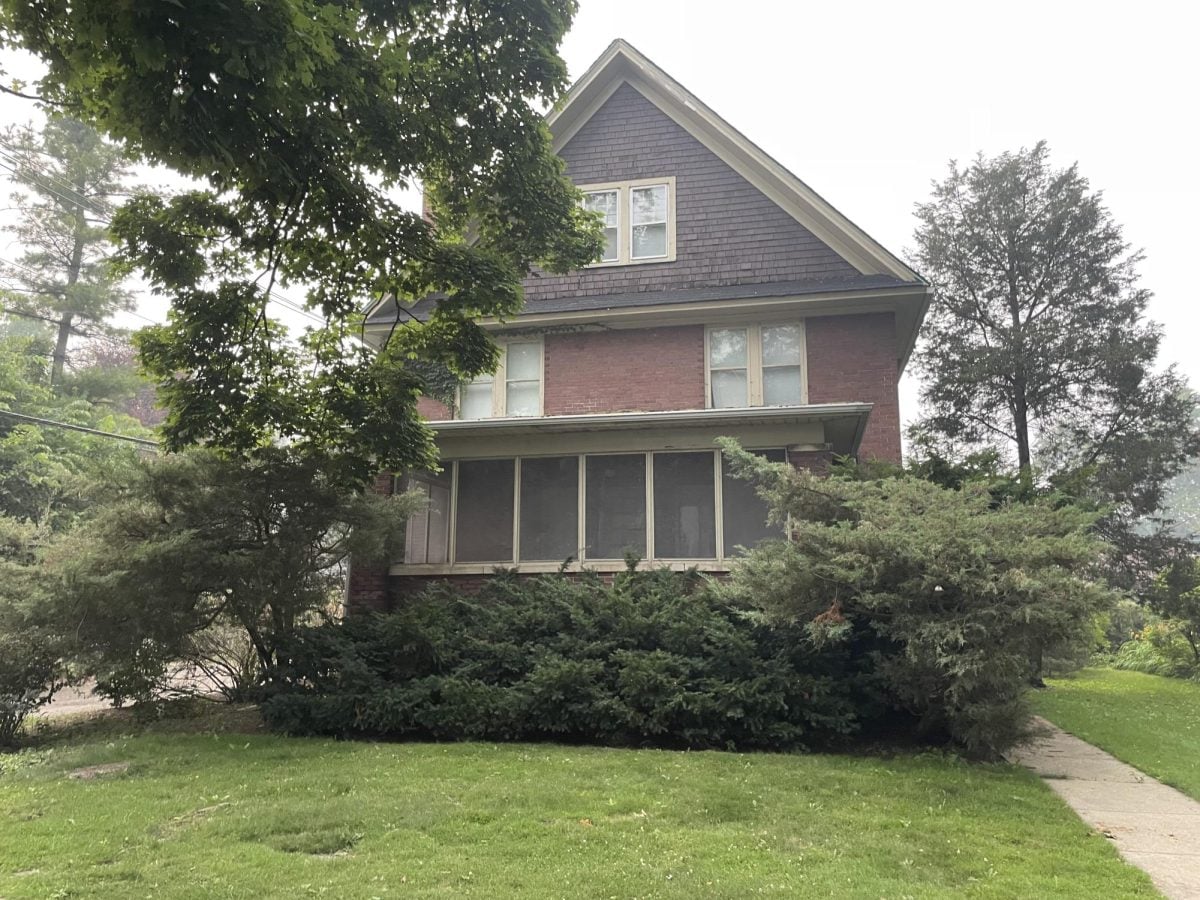
When First Congregational Church of Evanston first found out about the presence of Immigration and Customs Enforcement agents in the city, church members hung up signs on the outside walls of the building saying “ICE cannot enter here,” and “Immigrants are welcome, ICE is not.”
The church wanted to ensure that immigrants in the community were aware that it would stand with them and protect them, Jason Coulter, the church’s senior pastor, said.
“This is a congregation that could be seen as a sanctuary, as a safe space, as an ally and as someone who will take risks to defend others,” Coulter said. “We think that is part of the way we live our faith in the public square, by practicing our values in real time.”
During Operation Midway Blitz, the Trump administration’s federal immigration crackdown targeting undocumented immigrants in the Chicago area, some Evanston churches announced that their faith communities could serve as sanctuaries for immigrants.
In January 2025, Lake Street Church of Evanston, which Coulter described as “the real leaders on this movement,” declared itself a sanctuary by providing short-term emergency shelter to immigrants in need.
The move came despite an announcement from the Trump administration last year that churches and schools would no longer be considered off-limits to ICE agents.
While public churches cannot legally deny the entry of ICE agents, certain private areas of the church, such as the clergy person’s office, are off-limits to immigration officers without a warrant, said Rev. Michael Nabors, senior pastor at Second Baptist Church of Evanston.
If ICE were to knock on the doors of the church, the next action would be to move any concerned members to one of those spaces, he explained.
Beyond offers of sanctuary, many Evanston faith communities spent time raising awareness around ICE activity.
At Evanston Church of God, church members focused their efforts during the ICE raids on education about how to find and provide resources to those in need by partnering with community organizations and providing a safe place of worship for all, Pastor Caleen Howard said.
“It’s another way that we are trying to meet the felt needs of our community,” Howard said. “Where they hurt, we try to see what we can do to either provide support or resources to help them.”
In protesting ICE activity, some faith communities went beyond private action.
In the fall, Evanston clergy members established an emergency phone contact line. If one of the clergy saw immigration enforcement agents in the community, they encouraged others to “drop what (they) were doing” and “protest (the agent’s) presence” by going to the scene, Nabors said.
According to Nabors, the line was used to communicate on Oct. 31 when federal immigration agents made several arrests across Evanston and Skokie and a civilian vehicle rear-ended an agent’s vehicle, leading to the arrest and detainment of the driver.
Nabors, one of the first people to reach the area, called Evanston Interfaith Clergy and Leaders to organize a community-wide protest with about 200 attendees.
“I’ve never seen a community that had the components where people have the ability to rise above their differences and work together and work in unity,” Nabors said. “I’ve seen that happen in the religious community of Evanston, the interfaith community, more than any other part of the city.”
Email: [email protected]
Related Stories:
— Lake Street Church of Evanston declares sanctuary for immigrants fearing deportation
— Evanston community mobilizes amid increased ICE and Border Patrol enforcement on Halloween
— Community members, political leaders pack Unitarian Church of Evanston, demanding end to ICE action