As a longtime Evanston resident, Janet Alexander Davis cares for her neighborhood in the 5th Ward — she knows she can always call her neighbors if she’s having a medical emergency. But, throughout her time on Leland Avenue, she has seen and experienced the harmful effects of the nearby Waste Transfer Station.
For decades, the waste transfer station on Church Street has loomed large in the residential areas of Evanston’s historically Black communities in the 2nd and 5th Wards. Residents have been protesting the station for upwards of 10 years.
Now, as the topic of the station is coming before Evanston’s committees, there is “more renewed interest,” said 2nd Ward resident Cindy Levitt, who lives next door to the station.
In January, City Council unanimously adopted Evanston’s Environmental Equity Investigation final report, a detailed overview of environmental injustice in the city. It included several references to the waste transfer station and the city’s stated goal to “mitigate impacts of the facility.”
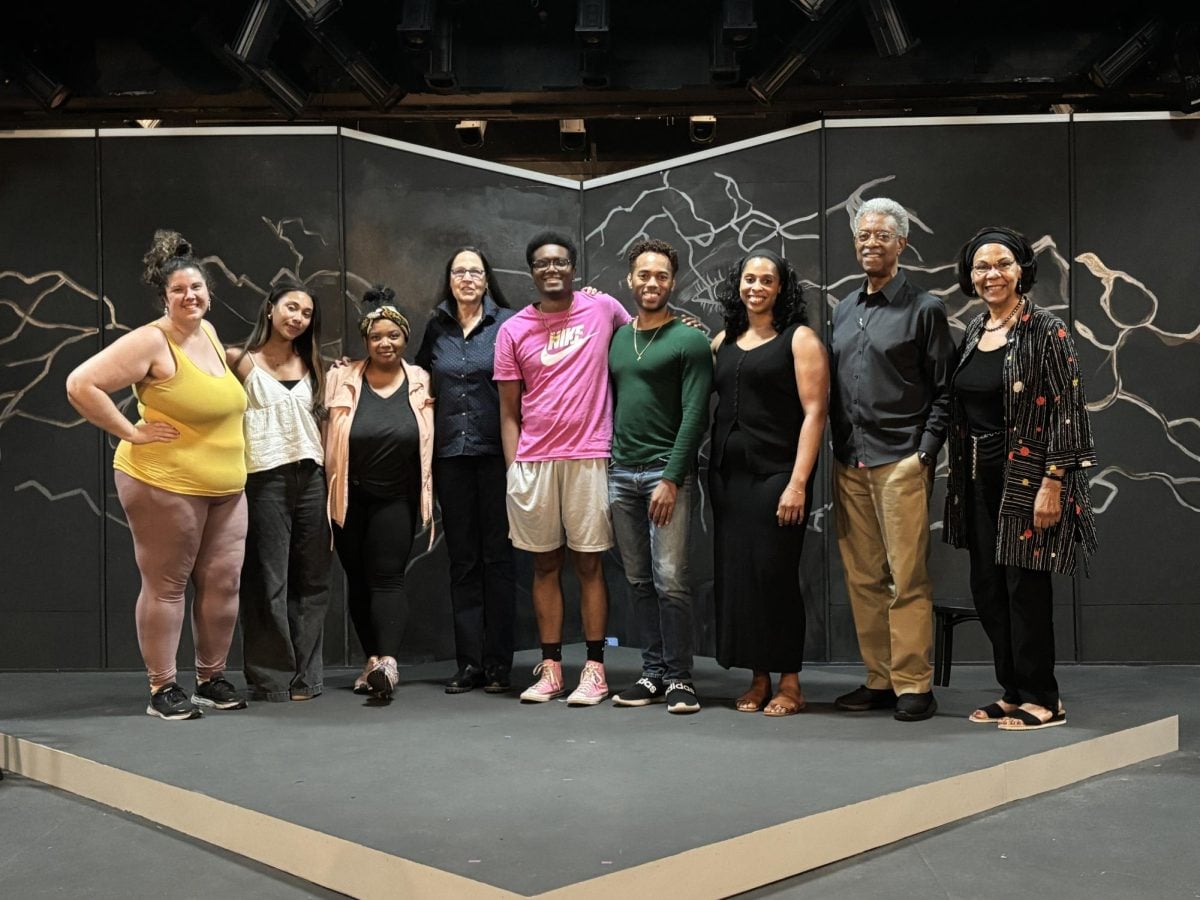
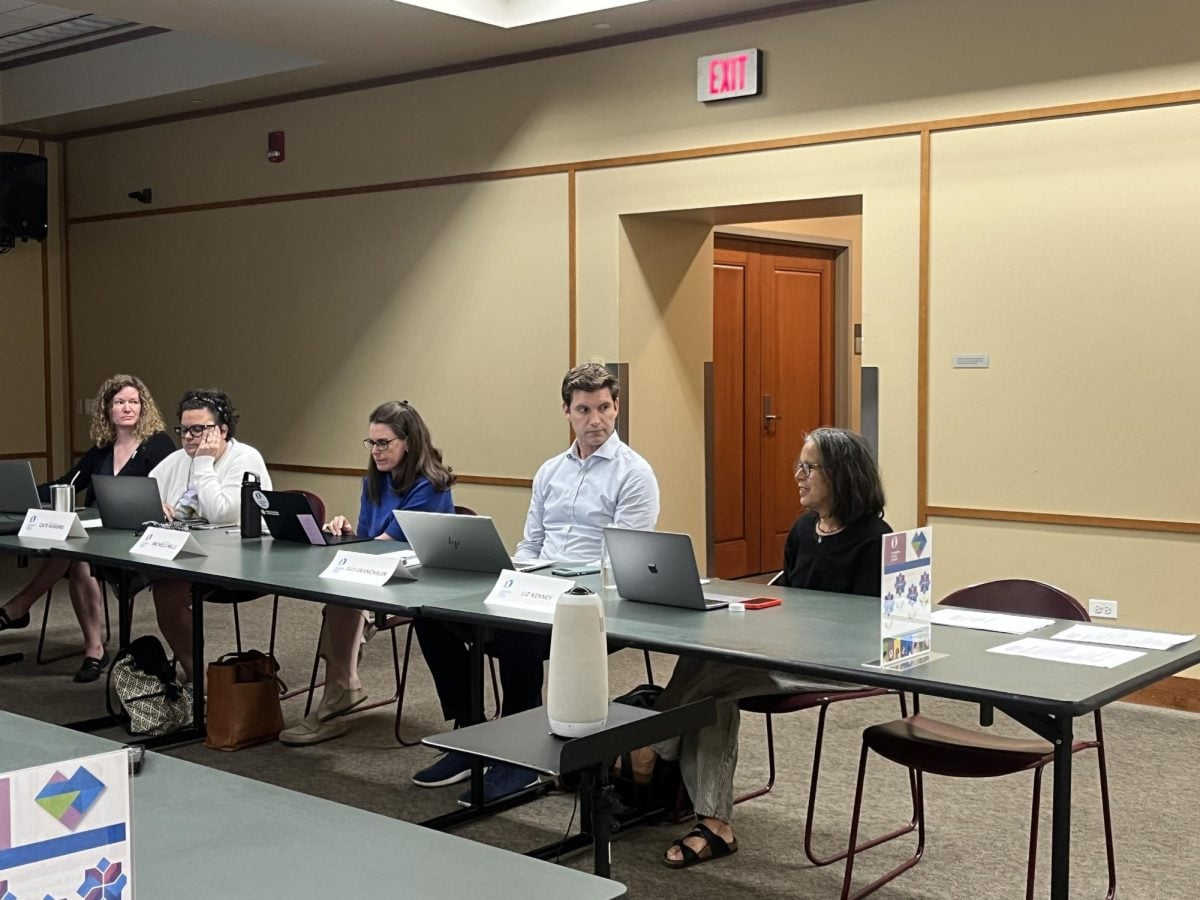
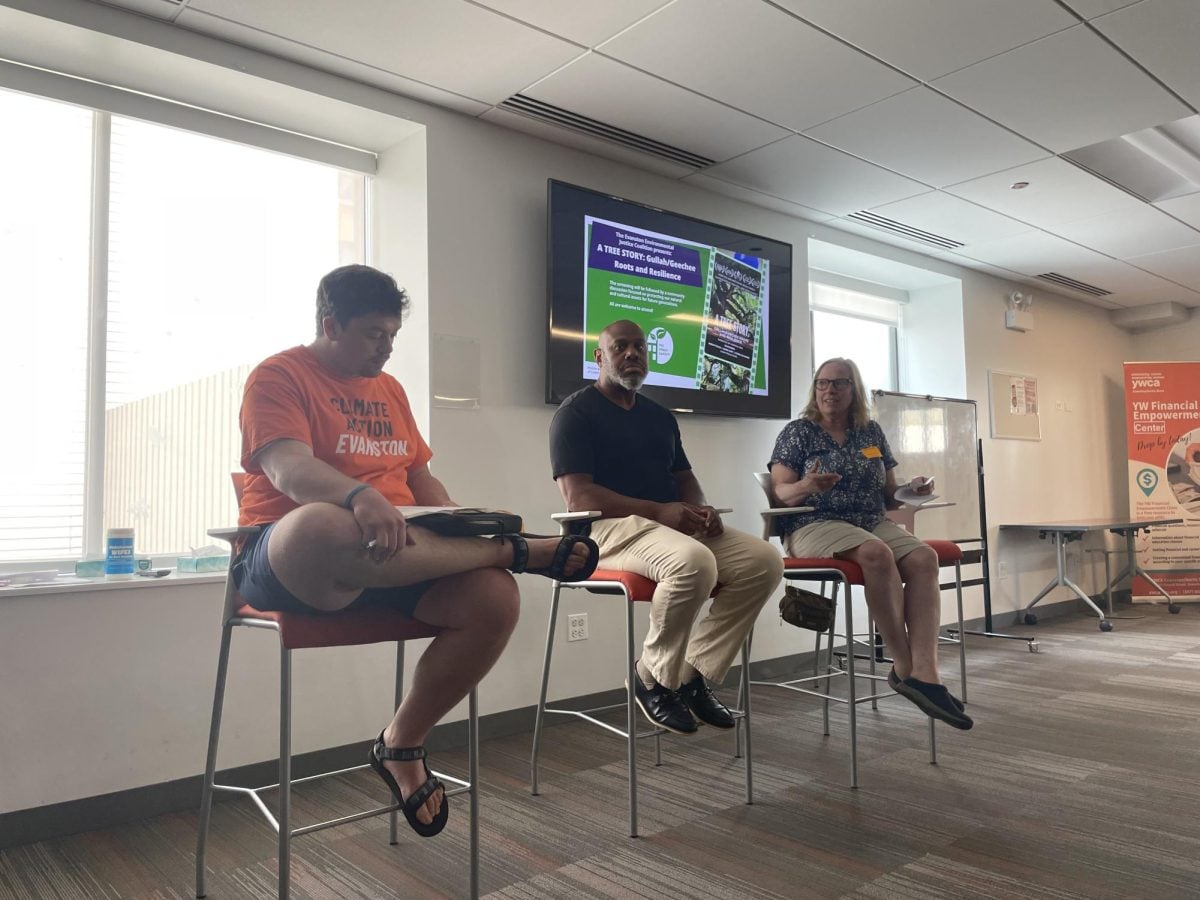
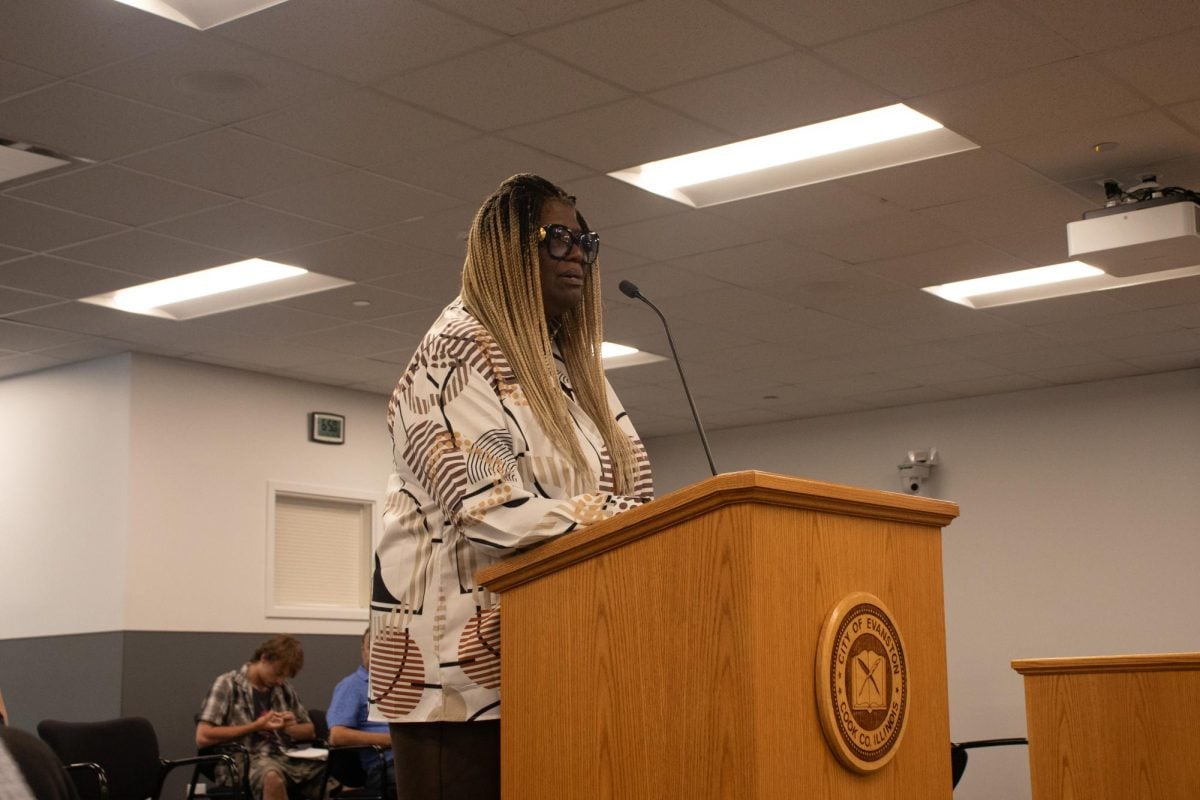
During a March 23 Administration & Public Works Committee meeting, members of Environmental Justice Evanston and affected residents came together to explain the station’s history and their experience living near it.
“The point is that back 40 years ago, we may not have understood that garbage of any kind would be detrimental to a neighborhood,” Davis, the co-chair of EJ Evanston, said. “But we know better now, and that’s my qualm, is that we know better, and yet we allow something to continue to exist.”
The station has been operating for decades. Originally owned by Richard and James DeBoer in 1972, it has operated as a place where trucks drive their solid waste before it is moved to a landfill. The DeBoers were known to employ locals largely from the 2nd and 5th Wards.
Since then, a slew of different companies have owned the station, which is now operated by Waste Management, Inc.
“It’s this false dichotomy of ‘We might give you headaches, we might make you sick, we might give you respiratory illnesses, but, hey, we’re offering jobs,’” EJ Evanston co-chair Jerri Garl said.
A 2019 study, commissioned by the city, found that the area around the Church Street Waste Transfer Station had elevated levels of pollution, containing at least one likely carcinogen. While the study did not attribute this to the transfer station, some residents have made that connection.
Levitt said that the chemicals the station sprays to cover the smell of garbage have made her extremely sensitive to chemical fragrances, causing her to cough and choke when exposed to chemical scents and when she goes outside.
“I have a little tiny patio out back, and I love to garden, and there’s days when I can’t be out there at all,” Levitt said.
Beyond chemical concerns, ongoing noise pollution from the transfer station has affected the daily lives of some residents.
Levitt said the first time she slept in her 2nd Ward home, she thought there was an earthquake. It was only later that she realized the shaking came from trucks driving in and out of the station.
For Levitt, the transfer station exemplifies an ongoing pattern of environmental racism throughout the U.S., whereby garbage dumps and other polluting industrial buildings are placed in “lower-income neighborhoods and more diverse communities,” she said.
“I lived for 29 years in northwest Evanston, and that would not have been acceptable there,” Levitt said. “So why should it be acceptable in a different part of Evanston?”
While Illinois has amended its policy regarding waste transfer stations so they cannot exist within 1,000 feet of a residential area, the station on Church Street has remained because the amendment doesn’t retroactively apply to facilities built before January 1988.
The Church Street Station is bordered by residential homes and is a short walk from Evanston Township High School.
Izzy Franconeri, a senior at ETHS and the hub coordinator of student climate organization E-Town Sunrise, said she can smell the fumes from the station when she walks to school.
“How is this here? How is the waste transfer station right next to the high school that serves the entire city and literally right next to residential homes?” Franconeri said.
While EJ Evanston has been particularly active in advocating against the waste transfer station, the movement did not begin with the organization.
Since 2010, residents of the 2nd and 5th Wards have worked to raise awareness about the effects of the station through the group Evanston Neighbors United. The group has since disbanded, but community members and residents continue to do similar work.
“When people understand their own power, when people can embrace what a community is and say, ‘No, we’re not going to stand for this anymore,’ then that’s where the power comes from,” Garl said. “It’s each other.”
EJ Evanston will be holding a Q&A about the station on April 28.
Email: [email protected]
Related Stories:
— After years of delay, Evanston moves forward with environmental justice investigation
— Equity and Empowerment Commission commits to ‘resetting’ its priorities in 2026