If you’ve worked at The Daily, you’re no stranger to being told “no.” Odds are, you’ve interviewed a random person on the street about a serious topic, been asked to put down your camera at a critical moment, or, more generally, had to justify your presence as a reporter.
As reporters, we are not strangers to difficult situations. We both led The Daily through historic periods of change and turmoil on campus, when countless community members did not want their faces and names attached to reporting. We found ourselves repeatedly explaining our mission and purpose to skeptical sources.
As students and as reporters, we should take those hesitations as an opportunity to reflect and develop our goals. Journalism has historically not served and represented every community, and it is our responsibility to not just write down what we see, but to build more inclusive coverage.
We must consistently reiterate our commitment to representing underrepresented perspectives to increase trust in the media and maintain better source relationships. The only way to build reliable, truly accurate coverage is through transparency. That’s as true on a college campus as anywhere else.
At a critical moment for universities like Northwestern, proponents of higher education express the necessity of college campuses as a training ground for young adults to take risks and make mistakes without the consequences of the so-called “real world.”
But those who have the privilege of studying journalism or practicing it at student publications like The Daily are oftentimes the first to learn that our work can have real consequences on the people in our community.
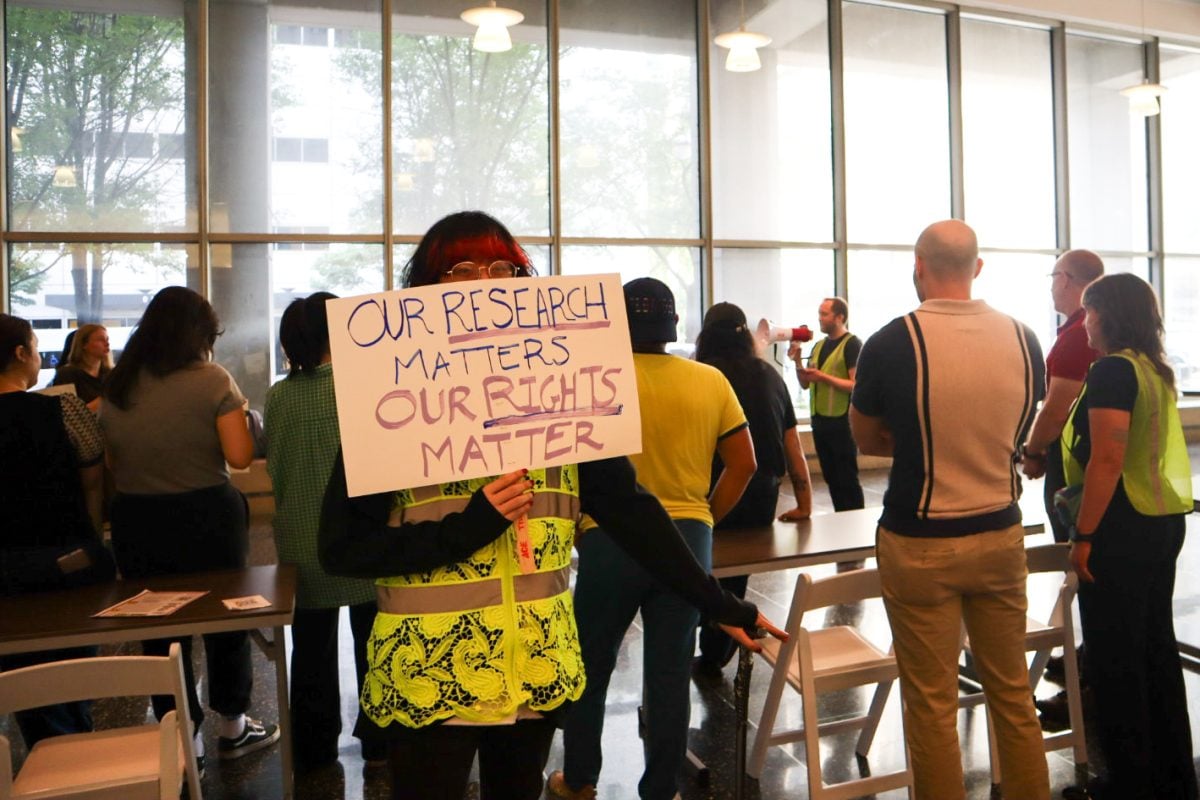
Over the last two years, student activists and reporters across the country have faced disciplinary action, prosecution and deportation in response to writing op-eds or covering protests for their student papers.
To insist in times like these that college campuses are a risk-free environment is not only wrong — it also undermines the reality that student artists, activists and reporters have positive impacts on the real world every day, through critical coverage of breaking news or holding our university and elected leaders accountable when their leadership falls short.
It’s our job as journalists to make connections and repair impressions of the media. In our own reporting, we must ensure people feel seen and reflected by the coverage in their community. And, yes, that also means taking accountability when we fall short of those goals, — as challenging or uncomfortable as it may be.
Student journalists, when someone says no to you, go learn from them. Hear their concerns, and listen to their stories. We know we both have learning to do, and we will take these lessons with us as we move forward. With transparency and understanding, we hope to build a more representative future in news reporting.
Email: [email protected]
X: @avanidkalra
Email: [email protected]