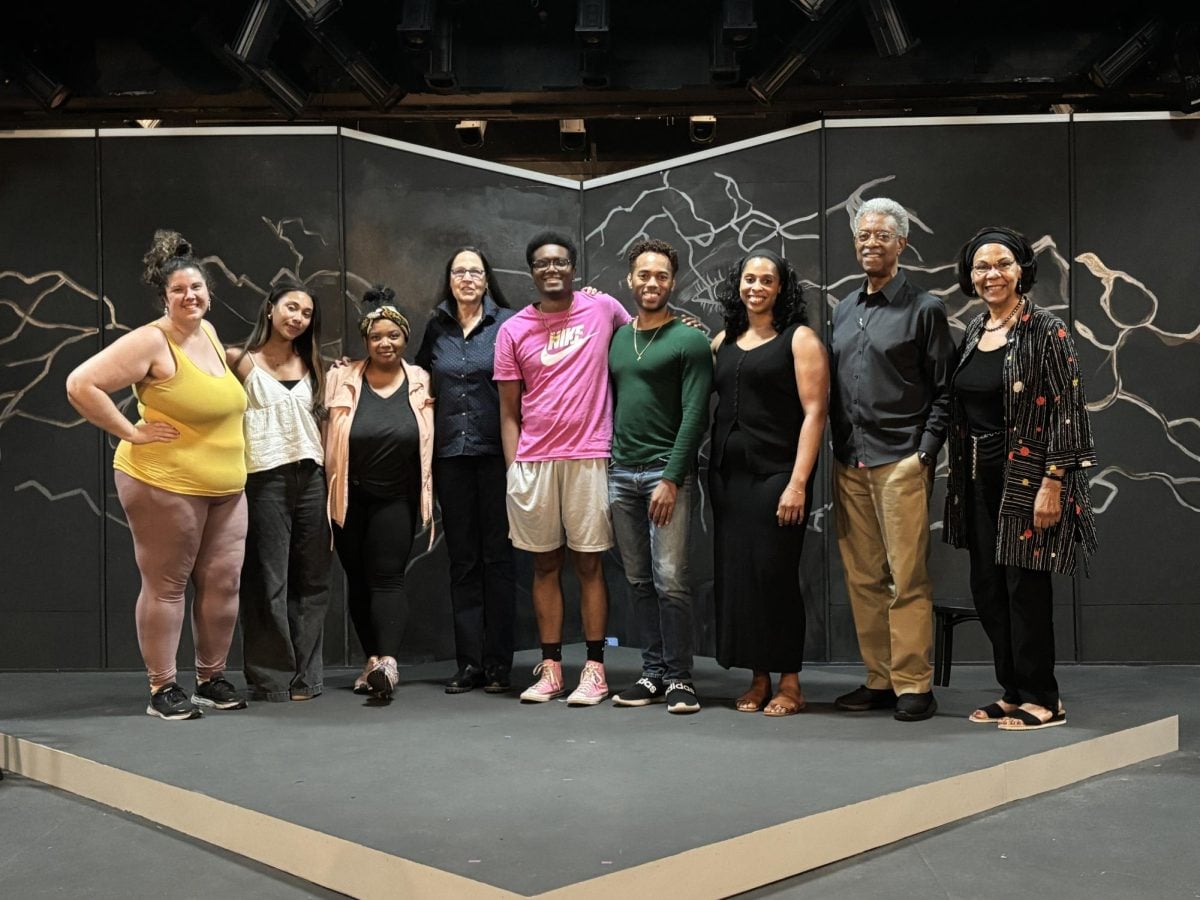
With students on summer break, Gov. JB Pritzker visited Chute Middle School to sign a bill implementing cost-free annual mental health screenings to Illinois public school students in grades 3-12 beginning the 2027-28 school year.
The bill instructs the Illinois State Board of Education to issue statewide guidelines for the annual screenings, including data confidentiality, follow-ups with families and allowing families to opt out at any time. The bill also mandates that psychiatric hospitals connect youth and their families to the BEACON portal so they can more easily access community behavioral health services.
Erin Fowler, parent of a nine-year-old at Dewey Elementary School, expressed excitement over the new legislation in principle but hesitated when thinking through the next steps.
“Other school health screenings tend to be binary — you have vaccinations, or you don’t, you can read the eye chart, or you can’t,” Fowler said. “This is much more nuanced, and there’s a lot more gray area … It requires interpretation and management, and it’s really important to get right.”
After Pritzker signed the legislation, Evanston/Skokie School District 65 Superintendent Angel Turner underscored that the district has long prioritized social-emotional learning and student well-being in a message to families.
“This is not new work for us,” Turner wrote, praising the strong team of social workers, psychologists, nurses, health clerks, school counselors and educators who all work together to support students in the district.
When it comes to carrying out the new screenings, however, Yolanda Kim, a licensed clinical social worker at Evanston Township High School’s Health Center, said schools are still working out what implementation might look like.
The health center currently administers the Bright Futures health risk assessment, which evaluates a wide range of issues from basic health and safety to social and emotional risk factors. In addition, a Social Determinants of Health screener is used to identify needs related to housing, finances and substance use that may affect a student’s overall well-being. Kim said the district is still working out where these evaluations fall when the screenings are implemented.
Though questions remain, experts agree on the positive impact of annual screenings. The legislation signals a statewide shift toward early intervention, said LaToya Tanniehill, director of the mental health and well-being division at the Human Resources Development Institute, a nonprofit that serves more than 50 schools on Chicago’s South Side.
“We look at it as an opportunity to make prevention a foundation of youth mental health support,” Tanniehill said.
HRDI integrates behavioral and primary care services within neighborhoods to reduce transportation and cost barriers for families. The organization’s staff also works alongside teachers and education personnel to help them recognize early signs of mental health struggles, Tanniehill said.
Rachel Solomon, director of development and communications at the James B. Moran Center for Youth Advocacy, said trauma, anxiety, ADHD and other mental health concerns frequently accompany the difficulties that lead youth to the center’s social work services. All people, especially young people, deserve access to such support, Solomon said. However, financial barriers often complicate access for low-income families. She described the new screenings as a vital first step to determining a path of self-empowerment.
“They can help identify mental health challenges that a child may not have the words to express, the information to understand, or the tools to manage,” Solomon said.
As districts across the state move toward implementing the law, Tanniehill emphasized that the work is only beginning — the sustainable success of the legislation will require open dialogue and ongoing collaboration among schools, clinics and families.
Taylor Keahey, the parent of an 11-year-old at Nichols Middle School, also stressed the importance of personal conversations when kids are engaging with mental health staff.
“They have to trust you,” Keahey said.
Keahey praised Nichols’ licensed counselors and their support for students with special needs and hoped those counselors would be directly involved in assessments. At the same time, resources are limited and social workers are already stretched thin, he said.
For many, like Fowler, the greater challenge lies in not only how to identify students who need support, but how to ensure they actually receive it. Schools and providers will need clear pathways for follow-up care, care referrals and ongoing communication with families, she said.
“If my child was flagged, I’d want to have a pretty comprehensive understanding of how they assess that and next steps in place for the parent,” Fowler said.
Email: [email protected]
Related Stories:
— Gov. JB Pritzker signs school mental health screenings into law at D65 School
— NU Active Minds creates space for mental health conversations on campus