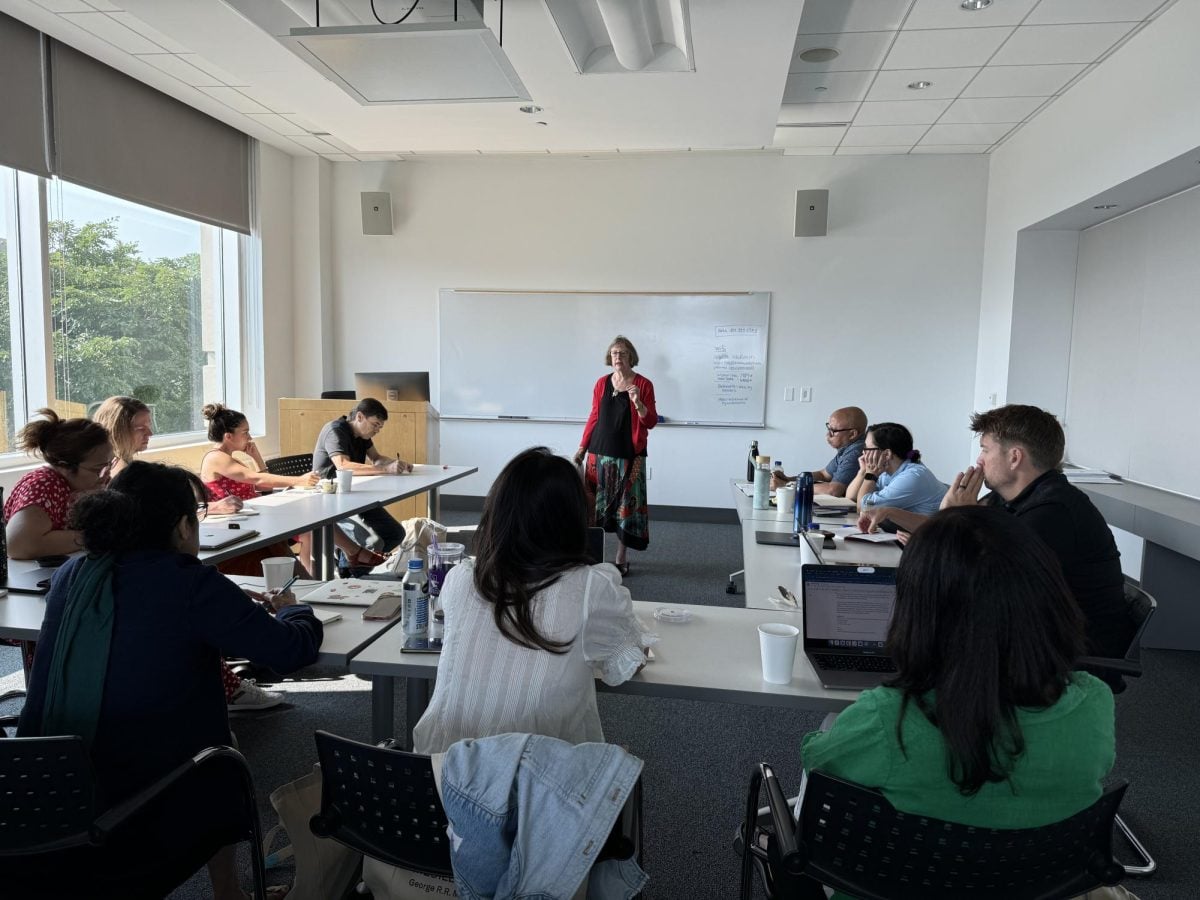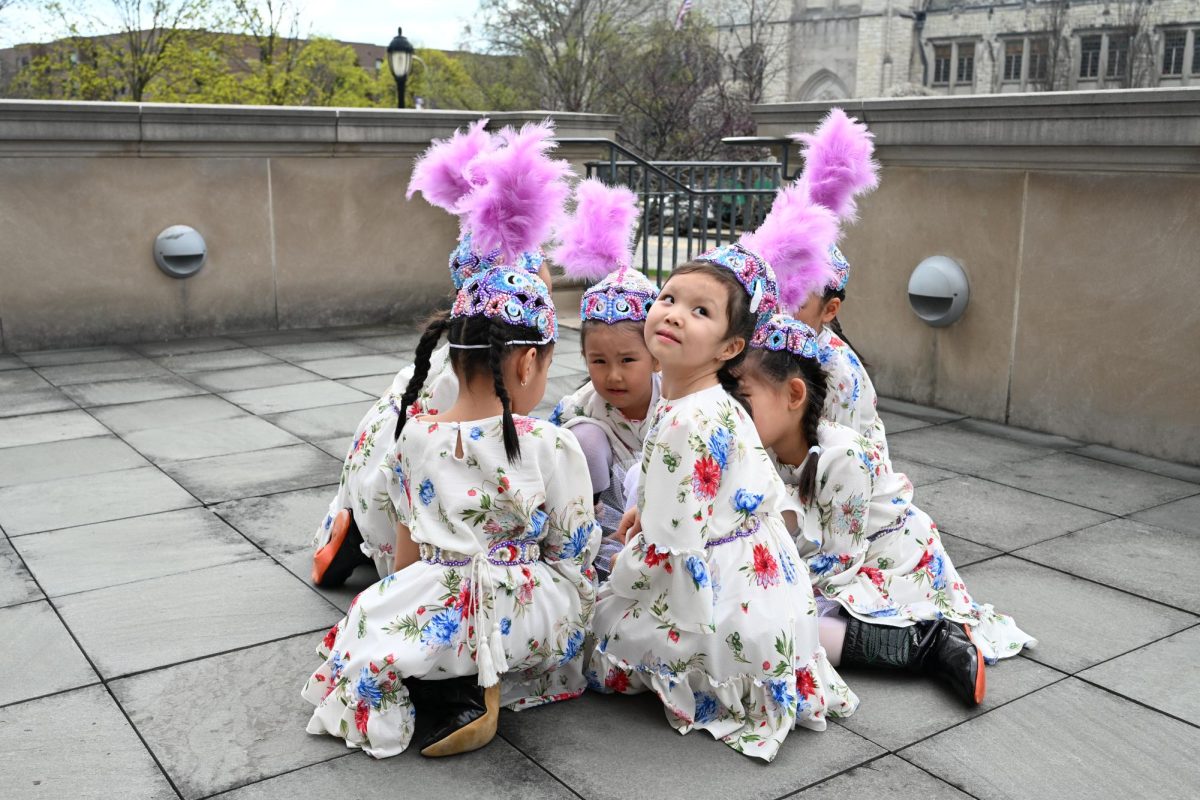
Song, dance and celebration filled Harris Hall Room 108 on Monday as students and community members gathered for Nowruz, a holiday marking the new year in Persian and Turkic cultures.
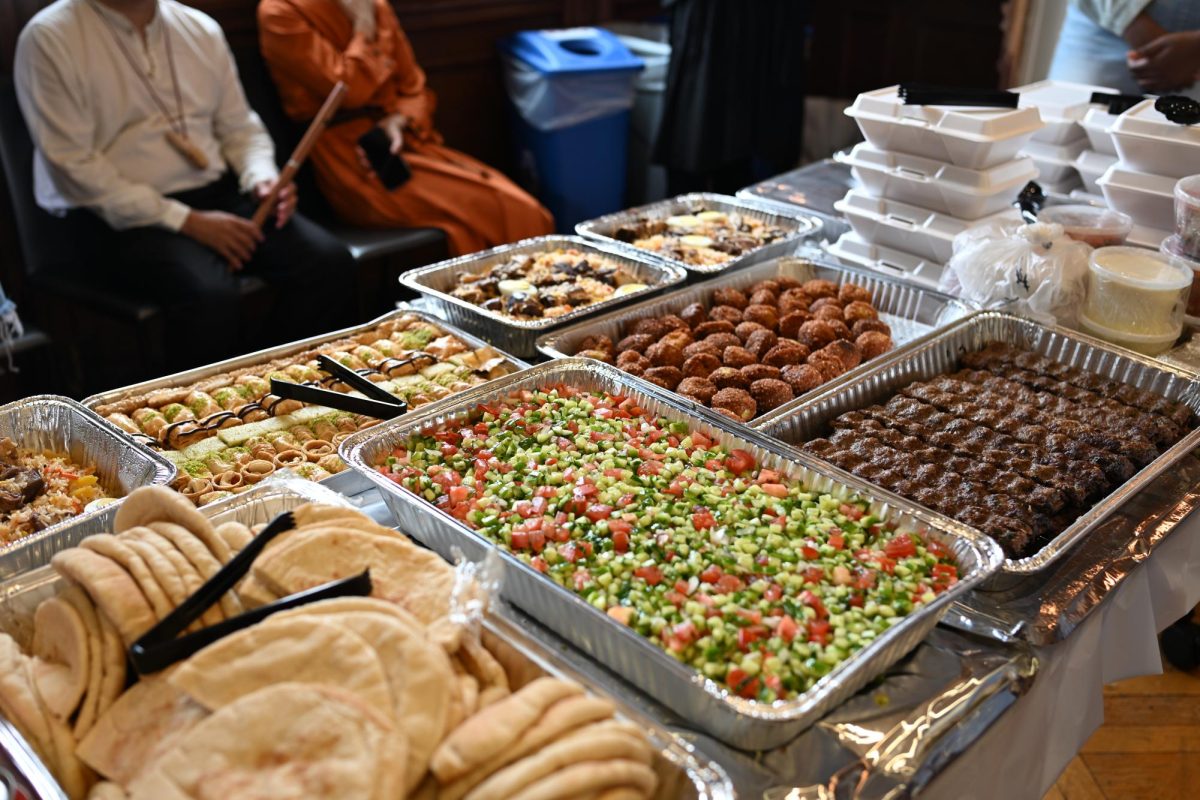
Traditional Nowruz celebrations include eating foods that symbolize rebirth and spring, cleaning the home and reciting specific music and poetry.
“There was always a sense of excitement in the air as we shed the old and made room for the new,” said Omid Nadim, a board member of Afghans Cultural Center Inc.
Monday’s celebration featured performances from Central Asian community groups, traditional foods and educational booths. The event was part of the Department of Slavic Languages and Literatures’ third annual Nowruz series, titled “Celebrating Persian and Turkic Culture,” which will have programming through May.
Bita Takrimi, a third-year Ph.D. student in Slavic Languages and Literature, was one of the celebration’s organizers. Takrimi said Nowruz unites people of different backgrounds.
“One of the important things that we decided was to bring different communities together to show that this is not something related to just one culture,” Takrimi said. “People from different communities, from different countries, are all celebrating together.”
Several countries in and near Central Asia celebrate Nowruz. The event included performances and representatives from Azerbaijani, Kyrgyz, Afghan and Tatar community groups.
Chicago resident Liliia Imamieva, one of the Tatar booth representatives, said the arts are an important mode for cultural endurance and expression.
“For our community, preserving culture, traditions and language is an important mission,” Imamieva said. “Music and dance play a special role in this, to share who we are.”
Many of the performances highlighted customary outfits, instruments and dance styles. The Nazik Dance Group performed routines that honored the komuz, an ancient instrument central to Kyrgyz culture.
Many audience members clapped along to the musicians’ and dancers’ performances.
Attendee Danylo Leshchyshyn, a third-year Ph.D. student in history, said he came to have good food and support his colleagues in their goal to showcase different cultures.
“This is a very important activity that (my colleagues) are doing to foster greater awareness of Central Asia, of various peoples, that for a long time were consigned by Western scholars to the imperial periphery of the Russian Empire,” Leshchyshyn said.
This year’s Nowruz series will include a number of film screenings through April and the beginning of May, as well as a translation workshop and a lecture led by Carleton College History Prof. Adeeb Khalid.
Through these programs, Takrimi said she hopes to keep the ancient holiday of Nowruz alive and accessible to students and community members.
Nadim said values of renewal and community are part of what make Nowruz meaningful.
“Nowruz taught me that renewal is not just about cleaning a house, but about refreshing the spirit — letting go of past hardships and embracing the promise of brighter days ahead,” Nadim said. “The spirit of inclusion and hope is what makes Nowruz so powerful.”
Email: [email protected]
Related Stories:
— Ringing in the Lunar New Year: Words of wisdom for a prosperous future