The Evanston Township High School District 202 Board of Education voted unanimously to lay off 12 ETHS staff members and reduce 21 positions after the 2025-26 school year during its Monday night meeting. The board also discussed updating ETHS’ AI policy and approved an intergovernmental agreement with Oakton College.
The staff reduction is projected to save the district $2.5 million, according to a memo from Chief Financial Officer Kendra Williams.
The decision reflects ongoing efforts to reduce expenditures, with board members acknowledging that Illinois’ property tax limit has hindered the district’s revenue collection.
Additionally, Cook County still owes the district another $10 million in property tax revenue from last year, Williams said. For the second consecutive meeting, board members expressed frustration with the county, with Superintendent Marcus Campbell lamenting what he called its “cataclysmic incompetence.”
The disbursement of property taxes, which account for over 80% of the district’s revenue, has been delayed for months.
Williams said the district has had to “beat down some doors” to get any information from the county.
Faced with increasing costs and stagnating revenue inflows, board members found it necessary to make reductions to meet the district’s financial goals, according to the memo.
Williams noted that the growing gap between revenue and expenditures, as well as the impact of the county’s delayed funding, has weakened the district’s overall fund balance.
Also, over the course of three years, Williams said the district experienced a 50% decrease in corporate personal property replacement tax revenue, losing approximately $3.7 million from “a single revenue line.”
From these analyses, Scott Bramley, associate superintendent for human resources and administrative services, said the board had to make moves to ensure “the health of the district” without “bankrupting this community.” This means that some staff will be laid off, while others will be reassigned to non-administrative positions, he added.
“We do look to make those cuts in areas where we’re not impacting a person,” Bramley said.
When asked by Board Vice President Monique Parsons, he maintained that the shifts will not compromise the student experience.
The decision was not made lightly, though, as multiple different board members emphasized.
“Unfortunately, these difficult times necessitate very difficult actions,” said Board President Pat Savage-Williams.
The board also listened to a presentation about AI’s role in ETHS classrooms.
A memo from Assistant Superintendent of Curriculum and Instruction Pete Bavis and Director of Institutional Technology David Chan (Weinberg ’99) said the presentation outlined “next steps for how the district navigates the evolving landscape of generative AI,” some of which included combating plagiarism and addressing environmental and data privacy concerns.
Additionally, the board approved an intergovernmental agreement with the Oakton College Board of Trustees. The agreement solidified pre-existing practices and policies regarding ETHS’ relationship and dual-credit courses with Oakton.
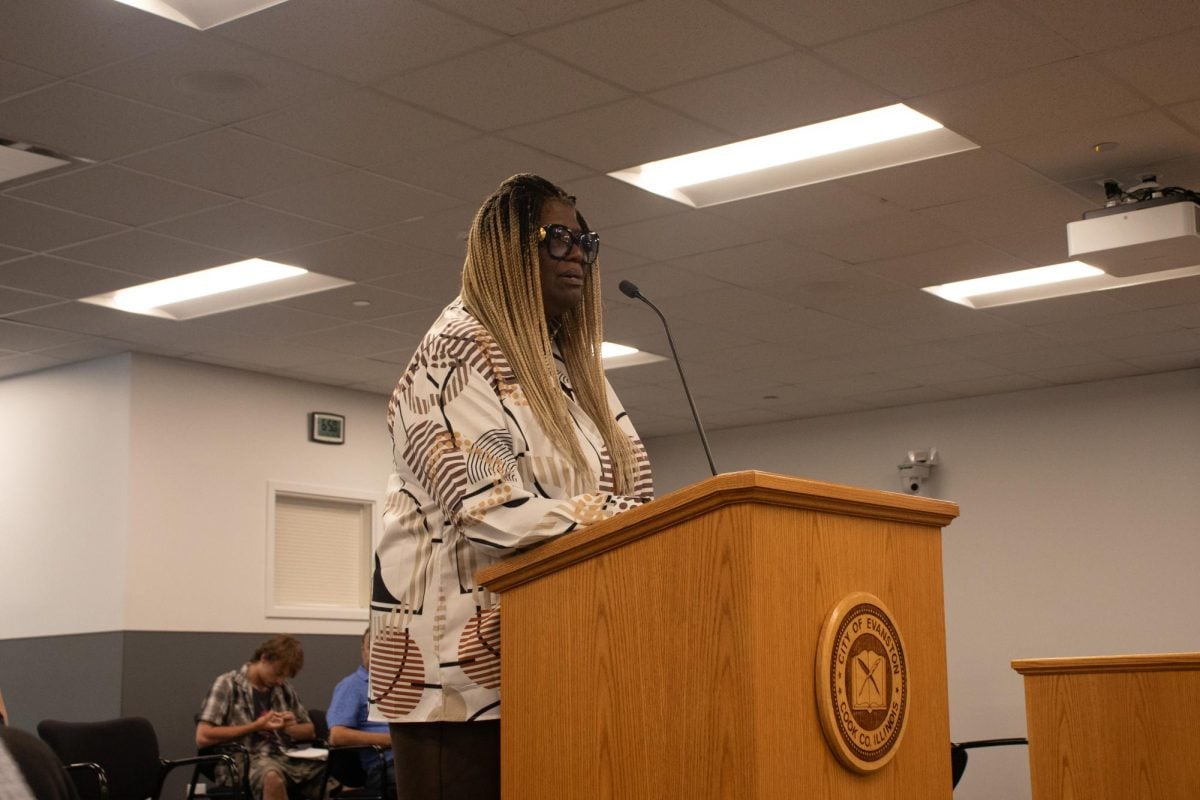
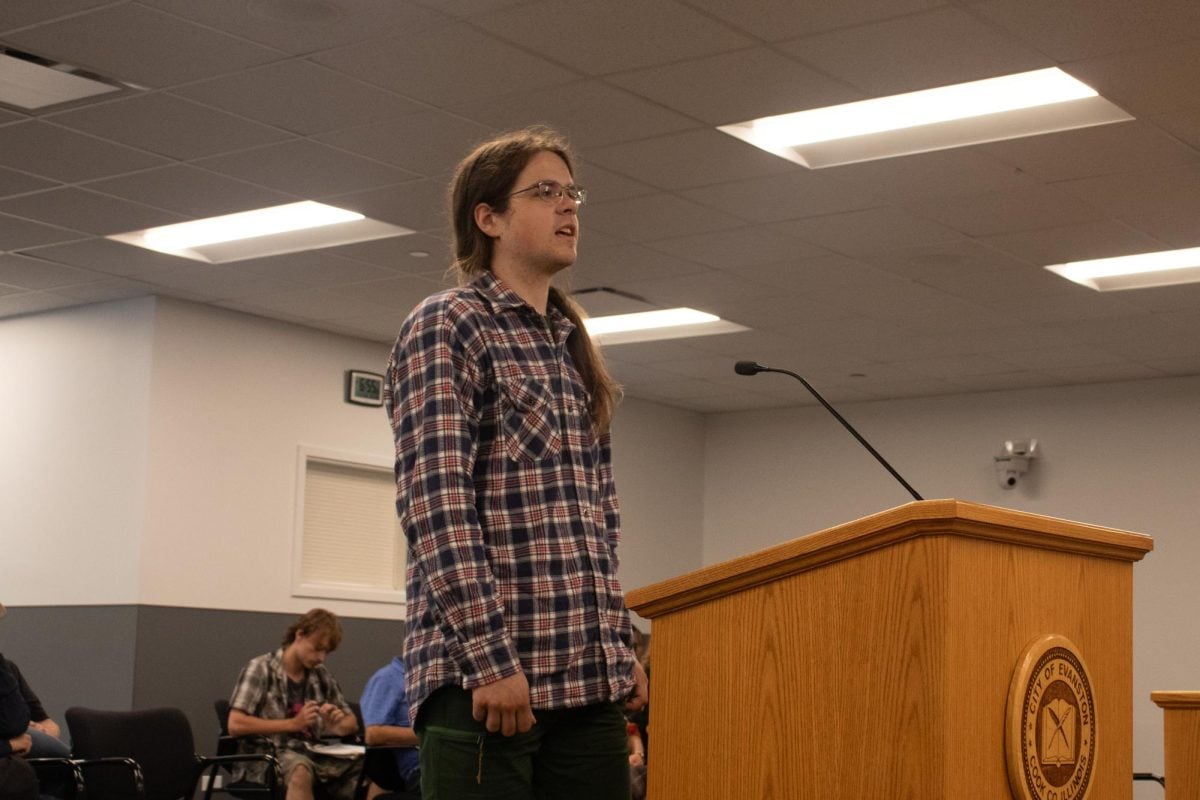
During public comment, however, community members expressed discontent with the district’s staff reductions. United in red clothing, many attendees were ETHS staff members affiliated with the school’s Support Staff Union.
Condemning a perceived lack of transparency from the board, SSU President Veronica McKinney said the decision was made without the “consultation and collaboration” of staff who would be directly affected.
“Trust has been eroded not only within our union but across other labor groups as well,” McKinney said.
Despite Savage-Williams saying that the district’s values “have not changed,” public commenter and ETHS staff member Catherine Head expressed disappointment in the board’s decision.
“Values are not defined when choices are easy,” Head said. “Values are defined when choices are hard.”
Email: [email protected]
X: @Summer_Huu
Related Stories:
— Awaiting Cook County funds, D202 board approves tax levy, evaluates post-pandemic changes
—D202 board approves balanced $118.4 million budget for FY 2026 amid revenue concerns