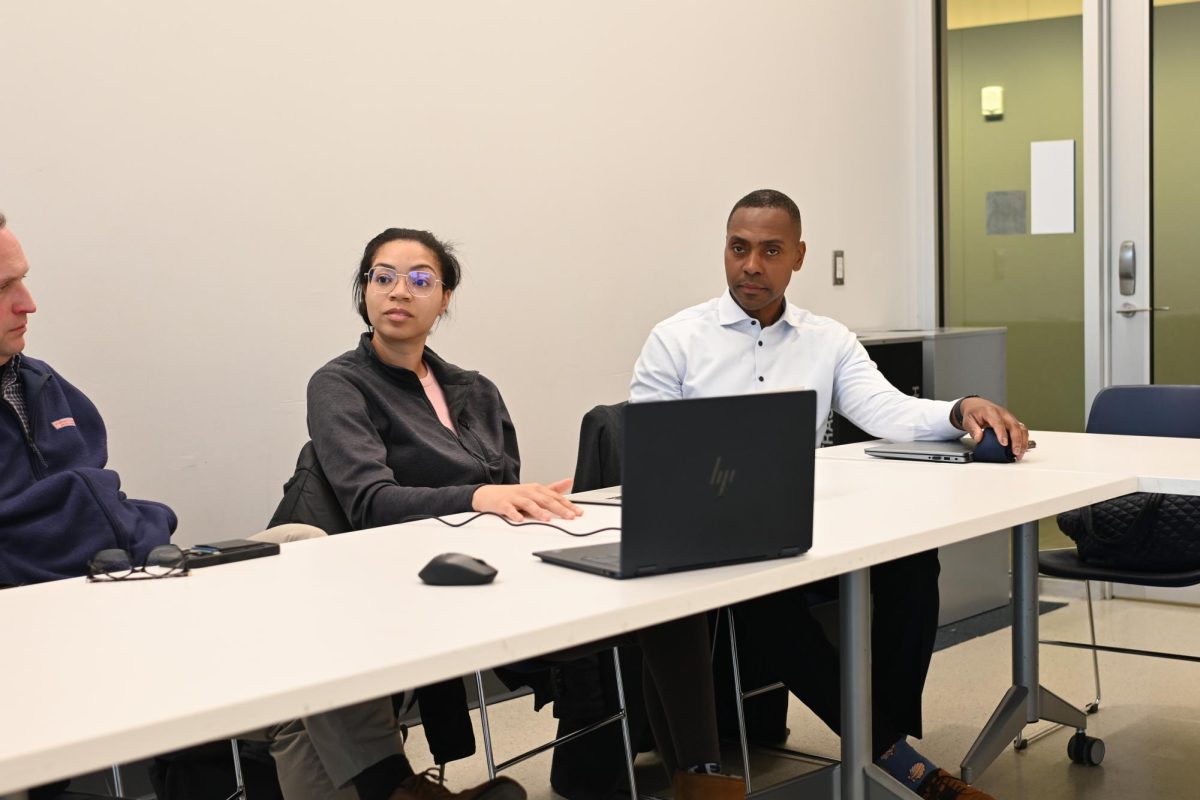
The Ryan Field Community Advisory Council considered the stadium’s Transportation Management Plan and Security Plan during its Tuesday meeting.
The advisory council is tasked with providing feedback to Northwestern on several plans, pursuant to a memorandum of understanding between the University and the city.
At an April 20 meeting, representatives from University Police and the Evanston Police Department outlined a five-pronged approach to security at the stadium. The full plan had yet to be publicly presented, but one advisory council member praised the robustness of the approach.
On Tuesday, advisory council members expressed an overarching desire that the Traffic Management Plan and Security Plan include different procedures based on event size.
Dave Davis, NU’s assistant vice president of neighborhood and community relations, agreed and said the University would keep this in mind when amending the plans.
“A 5,000 person event where the attendees are local community members is different than a 5,000 person event where folks are coming from out of state,” Davis said.
The advisory council spent the majority of Tuesday’s meeting discussing traffic patterns near the stadium, shuttle routes and ways to accommodate the parking needs of employees and customers of businesses that might be impacted by the stadium.
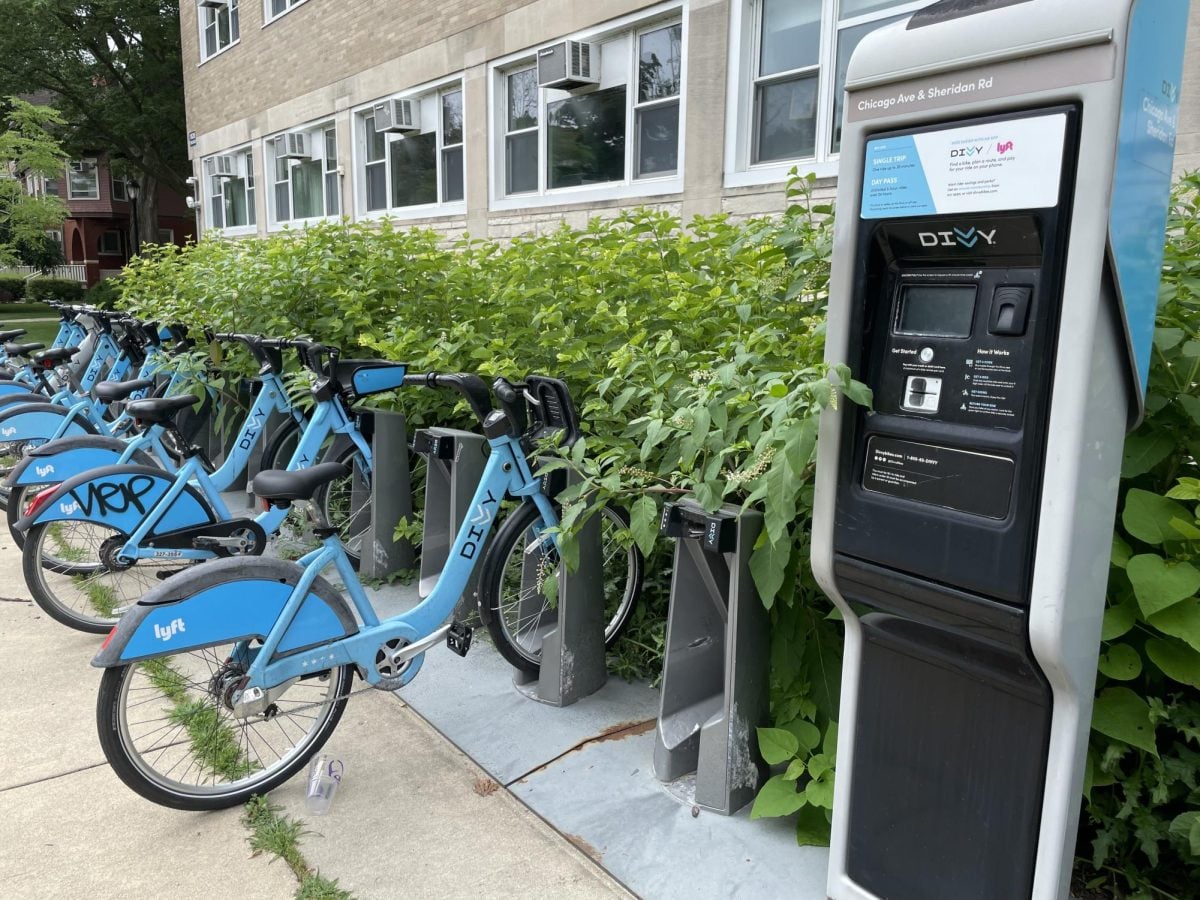
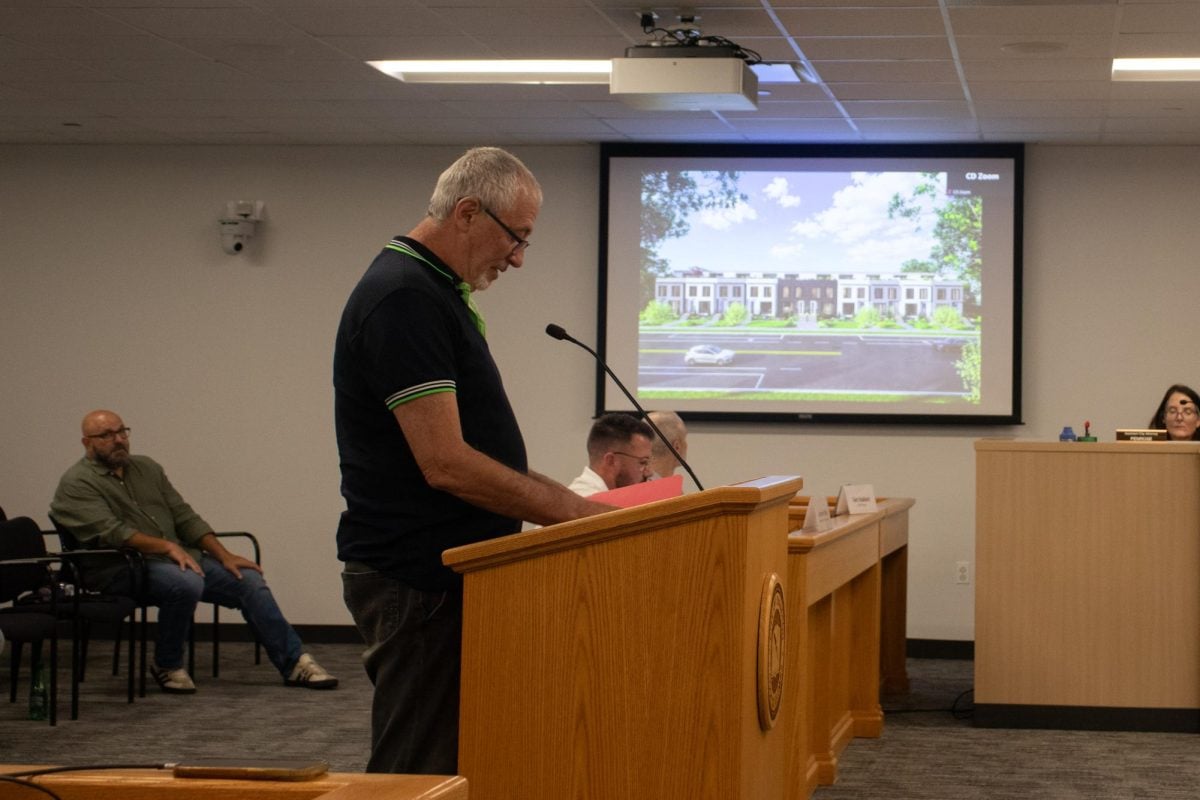
During public comment, some Evanston residents expressed discontent with the way the Transportation Management Plan addresses biking.
Kelly Mack, the co-owner of Mack’s Bike & Goods, said the current plan prioritizes a rideshare pickup and drop-off zone on Lincoln Street, rather than investing in “meaningful” bicycle infrastructure.
“We respectfully ask that Northwestern be held accountable for thoughtfully and holistically incorporating bicycle access into the extra traffic planning without negatively impacting the surrounding neighborhood,” Mack said.
Seventh Ward resident Chris Kramer echoed this sentiment, arguing that Lincoln Street should not become a “stadium access route” and instead should be protected as a “safe corridor” for pedestrians and cyclists.
When responding to these concerns, transportation consultant Peter Lemmon highlighted the plan’s intent to establish a dedicated “bike valet zone,” which he said would be a “fenced” and “manned” area near the stadium.
“Obviously we want to have it close to the stadium, so it’s a place where you know you feel comfortable,” Lemmon said. “You always want to park as close as you can to wherever you’re going. Bikes should be no different than that.”
The advisory council also considered the locations of proposed rideshare pickup and drop-off zones.
Advisory council member Peggy Baxter said the rideshare locations were the “most problematic thing” in the plan.
The document currently outlines two rideshare pickup zones: on westbound Lincoln Street east of the North Shore Channel and on Poplar Avenue between Lincoln Street and Central Street.
Baxter said she worries these locations would cause congestion. Others also recommended that the pickup zones be adjusted in future drafts.
Throughout the meeting, Davis emphasized that the group should prioritize two goals expressed by advisory council members relating to transportation: minimize traffic in the neighborhood around the stadium and “move folks” out of the area “as quickly as possible.”
“There’s a willingness to try different things, but I feel like we can’t solve every problem,” Davis said. “There’s no standard universal solution, so we have to optimize for something.”
Email: [email protected]
Related Stories:
— University Police outlines Ryan Field security plan at city meeting
— Residents challenge city over Chicago Stars’ stadium plans at tense ward meeting