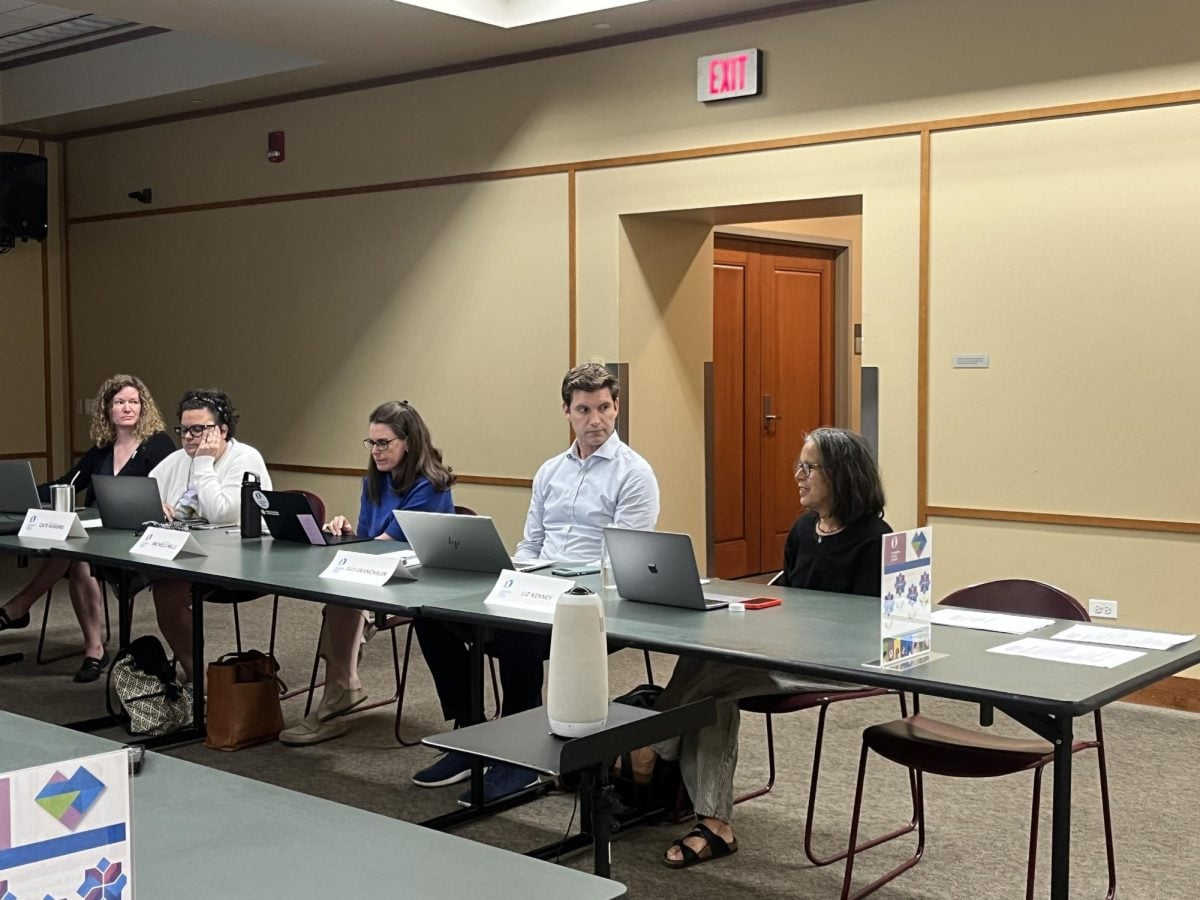
Interim President Henry Bienen talked about collaboration and challenges facing Northwestern during a Monday panel on the future of higher education with other leaders from Illinois universities.
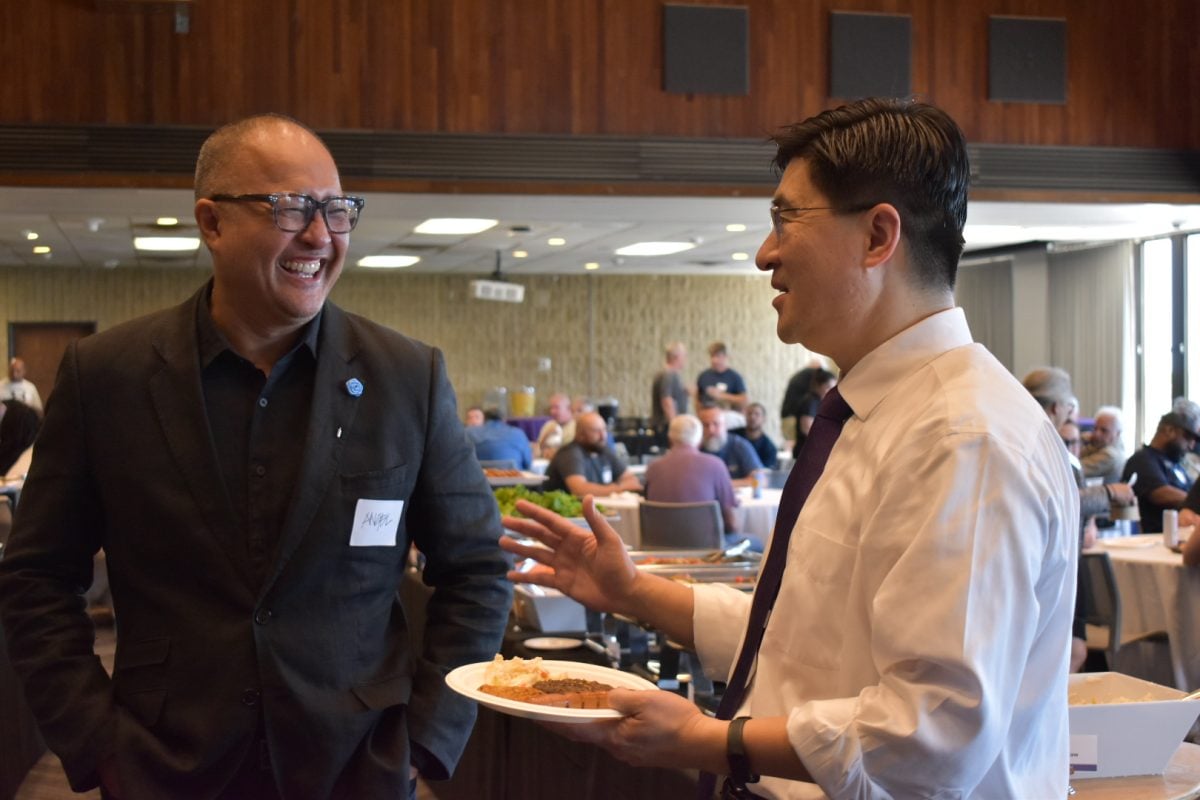
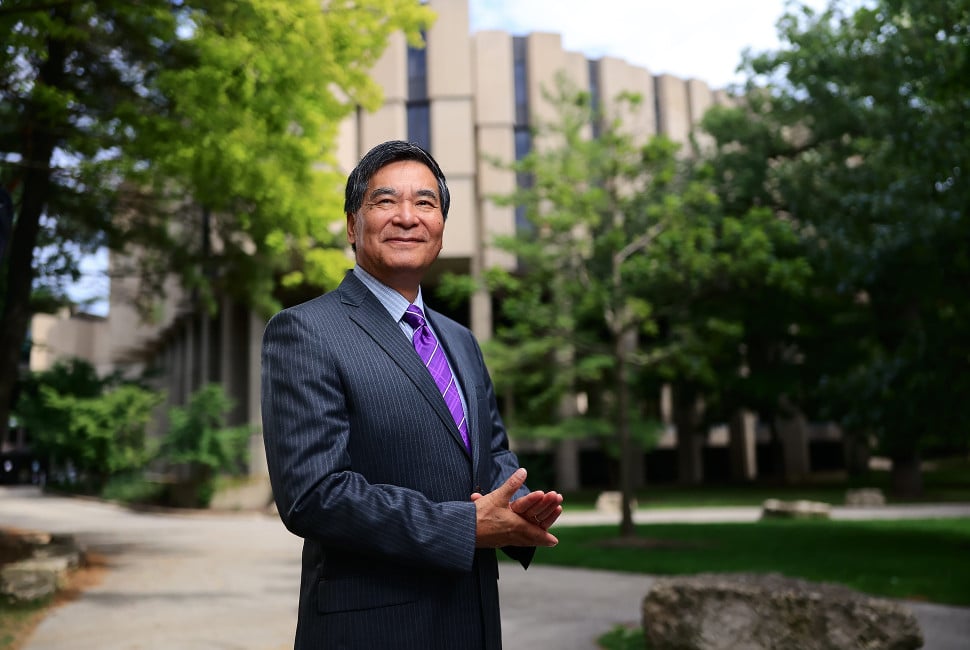
Hosted by the Union League Club of Chicago and Lincoln Forum, the event welcomed Bienen alongside University of Chicago President Paul Alivisatos and University of Illinois Urbana-Champaign Chancellor Charles L. Isbell Jr.
“It’s the future of many things, not just higher ed,” Bienen said at the panel. “We’re the drivers of science, innovation, entrepreneurship. Our society depends on us. We have to be good stewards of that responsibility, but to do it, we need to be free and open.”
The three panelists emphasized collaboration and highlighted universities’ role in developing artificial intelligence and guidelines for its responsible use.
During the panel, Isbell highlighted that college is not the only path to a career. He added that, because the city of Chicago is leading in quantum and AI research, universities also need to help members of the community who don’t hold college degrees participate in that part of the economy.
“I don’t just see our jobs as educating some people and they go off and do things, but creating and helping to create an environment where all the other people who are a part of the larger economy will be able to be part of and take advantage of it,” Isbell said.
For Alivisatos, the potential impact of AI on research across disciplines is “breathtaking.”
He said faculty have been discussing how higher education may change, including potential changes to the core curriculum to prepare students for the new technology.
“It’s an exciting moment, if you care about learning and ideas, because suddenly the ways in which we can learn have expanded enormously, and they will continue to,” Alivisatos said. “We’re giving a lot of thought at the education level to (figuring out), ‘What does it mean to be an educated person in this age? How does that change?’”
When asked by an audience member about the biggest challenges posed to the University, Bienen said funding for science will not see major changes in the immediate future.
Instead, he expressed concerns about financial aid and international student recruitment, particularly for Ph.D. students and postdoctoral scholars.
“The great glory of the United States has been to be a place where everybody wanted to come from all over the world, to do science, engineering, STEM work, even work in the humanities and performing arts,” Bienen said. “To cut off that flow is to cut your own throat.”
While a leader of a private institution, Alivisatos added that he hopes public universities are supported more going forward and described them as “treasures of the nation.”
Isbell said support for in-state and international students are not mutually exclusive.
“You can fulfill all these missions at once,” Isbell said. “This is not a zero-sum game. And insofar as we treat it like a zero-sum game, we will all lose.”
The panelists each emphasized that their universities should support their surrounding communities, given their locations near Chicago and in the greater state of Illinois.
“We don’t want to be seen as a place that’s walled off and not connected, either with the communities that we’re embedded in or with the great economy, for example, that surrounds us here in Chicago,” Alivisatos said. “Our three institutions collaborate a lot, and between us, we form the kind of scaffolding for the city and the state to be thriving.”
Correction: A previous version of this story misquoted Henry Bienen. The Daily regrets this error.
Email: [email protected]
X: @ak_newsom
Bluesky: @aknewsom.bsky.social
Related Stories:
— Bienen talks federal funding deal, immigration enforcement in interview with The Daily
— President Henry Bienen talks federal funding freeze, bias training, Qatar campus