City Council voted 8-0 to approve the scope of services document for Evanston’s zoning update at its Monday meeting.
The document outlines what the city expects from the consultant they will hire to assist the rezoning process, which is the second step in the city’s Envision Evanston 2045 initiative. Ald. Parielle Davis (7th) was absent during Monday’s meeting.
After nearly two years of debate, Council narrowly passed the Envision Evanston 2045 comprehensive plan last month. The plan was decoupled from the zoning rewrite in January 2025 and includes objectives to increase the diversity of housing stock in Evanston, language which has drawn criticism from some residents.
In early February, the city sent out a draft scope of services and requested community feedback on the document. The city received about 200 responses, some of which offered contradictory suggestions, through emails and an online feedback form.
Respondents were divided as to whether the process should include a complete rewrite of the zoning code or just an update of existing regulations. They were similarly divided about the timeline by which zoning changes should occur.
Some also expressed concern about a perceived lack of transparency with the overall process and called for increased public engagement. Others highlighted the necessity of an independent third-party impact analysis before final adoption of the zoning code.
The revised scope of services document, which Council approved Monday, placed additional emphasis for any zoning changes to adhere to the comprehensive plan. It also suggested the city’s consultant should seek broad feedback and hold a standalone community assessment phase.
Throughout Monday’s discussion, Ald. Jonathan Nieuwsma (4th) said he was concerned that “wordsmithing” the document would add time and cost that would limit the pool of consultants who would respond to the request for proposal.
“The more we add on, the more tricky and potentially expensive and potential pitfalls we might have,” Nieuwsma said.
Nieuwsma said he found the difference between a rewrite and an update to be insignificant, adding he was more focused on ensuring the “outcome” reflected the significant change that he said “needs to happen.”
Ald. Matt Rodgers (8th) said he favored an update so that the city could remain cognizant of the current built environment.
“Our zoning ordinance is not a horrible document,” Rodgers said. “It has been horribly muddled over the years.”
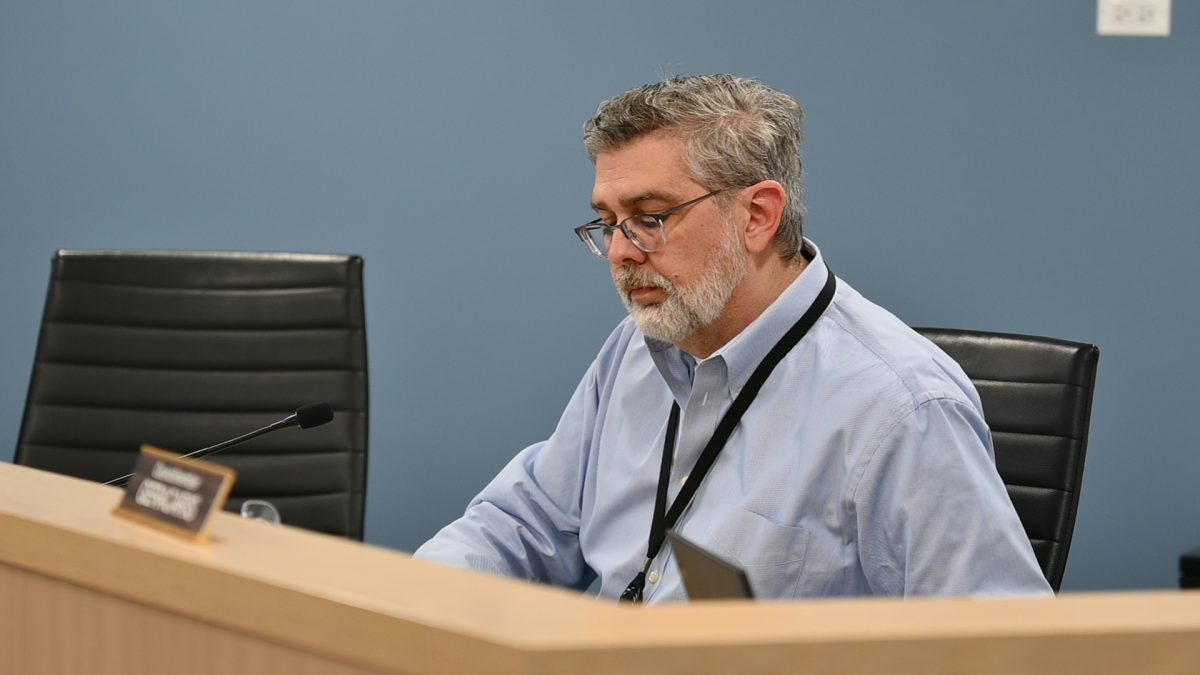
Ald. Juan Geracaris (9th) said he simply wanted the document to be legible for residents who are not zoning experts or analysts.
Councilmembers expressed their desire for public feedback to be central to the zoning process. Some, however, highlighted that the city had already received substantial public input through the comprehensive planning process.
“We are not starting at zero,” said Ald. Shawn Iles (3rd). “We have had a lot of community involvement in this process. I don’t want people to feel like we’re rushing the timeline by any stretch of the imagination, but I do think we need to be intentional about moving forward with this.”
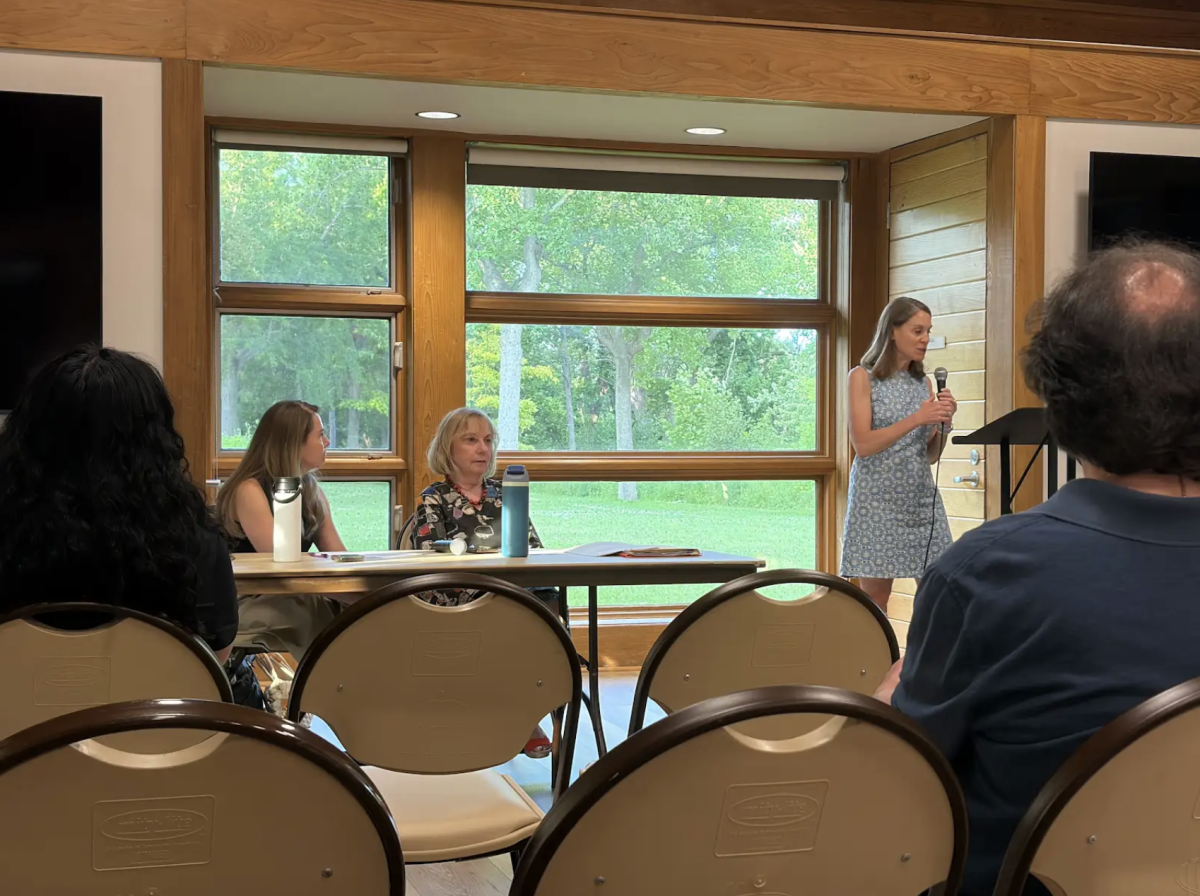
Many residents expressed lingering concerns about the document during public comment at Monday’s meeting.
Some residents again demonstrated their support for a full zoning rewrite, while others favored more limited tweaks.
Seventh Ward resident Frank Hill said there was “nothing radical about upzoning” and that Evanston needed a full zoning rewrite to rectify past exclusionary zoning ordinances.
“Making minor tweaks to an exclusionary zoning code built on a foundation of segregationist zoning seems equally antithetical to what we purportedly value as Evanstonians,” Hill said. “The time has passed for tweaking and delay — it is time for real change.”
Third Ward resident Andrea Liss, meanwhile, said a full rewrite might create “unintended consequences and unknown impacts,” whereas an update would allow for “targeted improvements” while also maintaining stability.
Other residents expressed dissatisfaction with how the Envision Evanston process has occurred thus far.
Paul Breslin, a 1st Ward resident, said he regretted a lack of “rational discussion” about the comprehensive plan and rezoning initiative.
“It’s become a moral melodrama where the focus should have been on how adequate is this plan?” Breslin said. “How sure are we or can we be that it will achieve what it claims it will achieve?”
Mirroring the broader debate surrounding zoning in the city, public comment at the meeting at times grew heated.
After a brief vocal altercation between two attendees, Mayor Daniel Biss urged residents to treat each other with respect.
“I think it would be a tremendous, tremendous detriment to Evanston if anyone felt intimidated or bullied out of coming to City Hall and sharing their opinions,” he said.
Email: [email protected]
Related Stories:
— City Council votes 5-4 to pass landmark comprehensive plan
— Envision Evanston faces numerous setbacks throughout January