A Sony digital camera. A head-mounted GoPro. Two pairs of Ray-Ban sunglasses. A cell phone-wielding plainclothes videographer.
Border Patrol officials used all four — plus more than 20 agency body cameras — to record their arrests and the protesters who confronted them on Dec. 17, according to an analysis of dozens of photos and videos by The Daily.
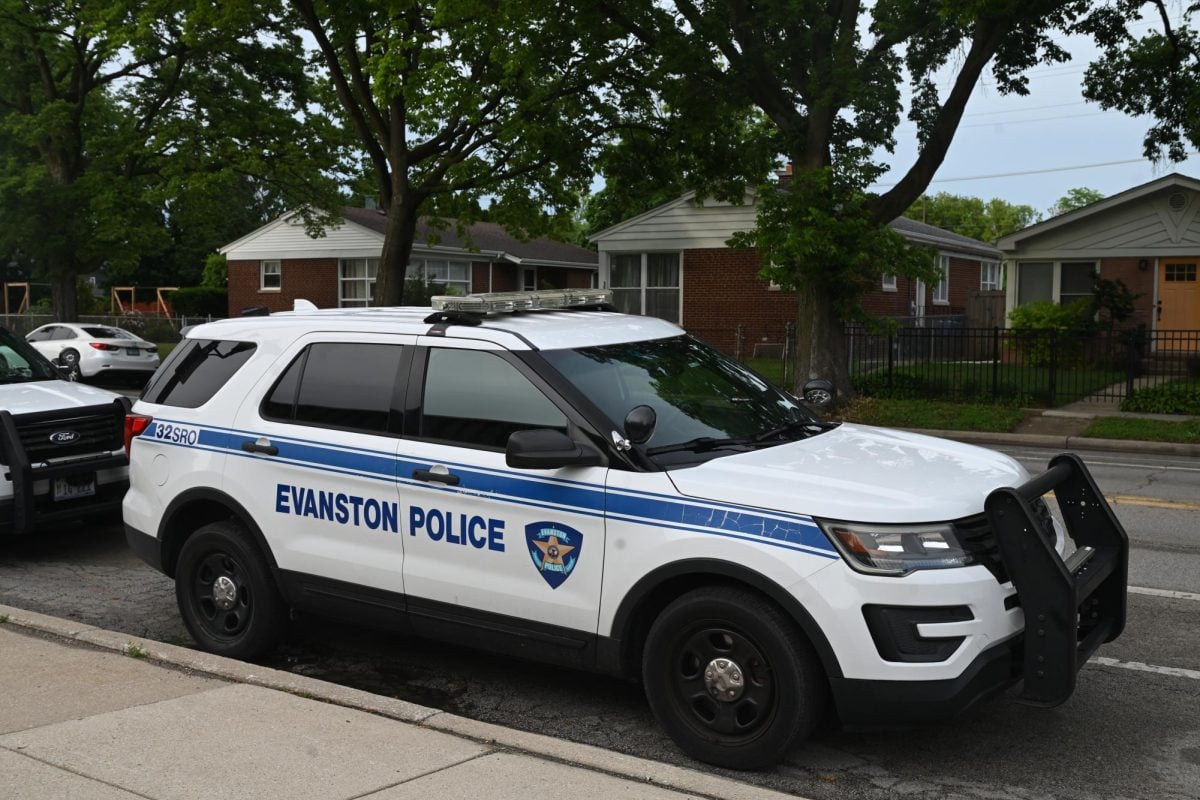
In Evanston, agents took at least two people outside the Oakton Street Home Depot on the second day of Border Patrol’s two days in the Chicago area that month.
“The recording by (Border Patrol) of people who are just exercising First Amendment rights is disturbing,” said Jeramie Scott, senior counsel at the Electronic Privacy Information Center and director of its Surveillance Oversight Program. “That can have a real chilling effect on First Amendment-protected activities.”
Agents’ camera-equipped sunglasses were most concerning to 2nd Ward resident Liz Myers, who shared her cell phone video from the Home Depot parking lot with The Daily.
In it, at least two Border Patrol agents appear to wear Ray-Ban Meta Wayfarer smart glasses, which come equipped with a high-resolution camera.
A small white light visible in the corner of both agents’ glasses signals that both were actively filming. One of the two, who sat in the driver’s seat of an unmarked Border Patrol vehicle, can be seen in the video seemingly pressing the glasses’ capture button to stop recording, after which point the light goes dark.
“I was never even aware that they had anything on, other than their body cams,” Myers said. “Where are these recordings going?”
A spokesperson for Customs and Border Protection, Border Patrol’s parent agency, told The Daily in an emailed statement that CBP “does not have an arrangement with Meta.” They added that personal recording devices are “not authorized,” though individual Border Patrol officers “may wear personally purchased sunglasses.”
The spokesperson did not cite a specific policy, but a 2023 directive on body cameras issued by the Department of Homeland Security, parent agency of CBP, prohibits the use of personal cameras to record “official law enforcement activities.”
“The idea that they’re ‘unauthorized’ by current policy is cold comfort and something that’s subject to change at any time,” said Kevin Fee, legal director of the American Civil Liberties Union of Illinois.
According to reporting by 404 Media, incidents of Border Patrol agents using smart glasses have occurred in Los Angeles and Charlotte, North Carolina.
It is unclear why agents have employed this tactic, according to Will Owen, communications director at the Surveillance Technology Oversight Project. But there is “no reason to trust” their video footage was not collected by Border Patrol, Owen said.
The agency “has demonstrated so much disregard for the law, for any sort of protocol, that there’s really no reason for us to ever trust how they’re going to use this data,” Owen said.
Videos show a videographer wearing civilian clothing embedded within Border Patrol also recorded arrests, protesters and press interviews with Border Patrol Cmdr. Gregory Bovino throughout their two-day appearance in the Chicago area, which included Evanston on Dec. 17.
A video posted on social media shows the plainclothes individual walking out of a convenience store in Forest Park, Illinois among the ranks of uniformed agents.
Another video shows Bovino telling community members to step back from a Border Patrol arrest outside the Home Depot in Cicero, Illinois on Dec. 17. Bovino then tells the plainclothes individual to “get forward” to film the arrest, the video shows.
“You need transparency,” said Sophia Cope, senior staff attorney at the Electronic Frontier Foundation. “You need to be able to know who you’re engaging with, who you’re talking to. It can be dangerous, too.”
Videos from the plainclothes videographer and agents wearing smart glasses did not appear in public videos posted by Bovino, which sourced entirely from footage taken by digital cameras and head-mounted GoPros. The purpose of the videos collected through covert tactics remains unclear.
A spokesperson did not respond to questions about CBP’s affiliation with the videographer, but they did accuse The Daily of seeking to endanger federal agents.
“Federal law enforcement officers are being subjected to violent attacks simply for enforcing our nation’s laws — and you want to dox them and encourage more violent attacks on them and their families?” the spokesperson wrote.
The Daily did not attempt to ascertain the videographer’s identity in its communication with the CBP spokesperson.
In response, Scott argued the threat of doxxing is “probably greater for the protesters than it is for DHS agents.”
“There’s no reason that they can’t answer the question about what this person is doing and why they’re doing it,” he said.
Email: [email protected]
Bluesky: @ryaninevanston.bsky.social
Related Stories: