Earlier this summer, a dangerous heat dome settled over Chicago — pushing heat indexes past 110°F. The city now faces a mounting public health emergency. This isn’t just a seasonal inconvenience; it’s a crisis that highlights the intersection of climate, health equity and mental health.
As a high school student, I’ve spent much of my time working to address the climate crisis, through roles on the World Health Organization Youth Council and in youth-led organizations including It’s Our Future, Climate Cardinals and other climate-health coalitions.
Through this work, I’ve seen how heat emergencies don’t just strain public health systems, they expose systemic failures in how we protect communities in a warming world. At It’s Our Future, we’ve focused on amplifying youth voices in local climate policy, and these conversations often circle back to the urgent need for equitable and resilient infrastructure.
Emergency departments are already overwhelmed. During Chicago’s last major heat wave in 1995, 3,300 heat-related ER visits crowded our hospitals, causing some to temporarily close their doors. And those are just the visible cases — studies show that every 1.8°F rise in temperature correlates with a 2.2% increase in mental-health-related morbidity, including spikes in anxiety, depression and self-harm.
Recent research shows us that extreme heat doesn’t just damage the body, it deeply affects the mind.
Heat exposure has been linked to a rise in psychiatric hospitalizations, increased symptoms of anxiety and depression, impaired cognitive function and even higher rates of suicide. In patients with dementia or severe mental illness, it can trigger disorientation, aggression and physical collapse. With little nighttime relief, temperatures typically stay in the 70 and 80 degree range due to the urban heat island effect — depriving residents of the physiological and emotional reset our bodies rely on.
Chicago’s layout magnifies these effects. With little nighttime cooling and perennially warm temperatures, the city becomes a pressure cooker that disrupts sleep, weakens cognitive function and takes a toll on emotional resilience.
Our concrete and asphalt amplify heat exposure, especially in historically marginalized neighborhoods, where environmental injustice meets health risks. Black and Latino communities, historically subjected to redlining and divestment, are more likely to live in neighborhoods with fewer trees, more asphalt and less access to green spaces or air conditioning. These environmental inequalities create microclimates where heat exposure is not just a meteorological issue, but a racial and socioeconomic one.
Mental health must also be central to our climate response. From my advocacy at the WHO, I’ve seen how youth around the world experience eco-anxiety and climate despair, terms that may sound abstract until you hear a young person tell you they’re afraid to plan for a future that feels increasingly fragile.
In heat events like this, those fears become inherent. For teens already managing mental health challenges, the added burden of physical heat can destabilize medications, sleep patterns and emotional regulation.
So, what do we do?
We begin with meeting people where they are — and building from there. Chicago must invest in community cooling hubs that are not just reactive but preventive, places that provide shade, hydration, mental health first aid and a sense of safety. These spaces must be well-advertised, easily accessible by public transit and staffed by trusted community partners.
We need more than heat advisories; we need mental health alerts with targeted outreach to those at highest risk. Mental health providers should proactively check in with clients during extreme heat, especially those living alone or without cooling systems. Faith groups, youth centers and mutual aid networks are on the front lines of climate health, and they need funding and coordination now.
Workplace protections are essential, too. Federal heat safety regulations remain stalled, but cities like Chicago can lead the way. Mandatory rest breaks, shaded workstations, hydration access for outdoor workers and monitoring of indoor environments like warehouses and factories are not luxuries — they’re lifesaving measures.
We can’t forget the summer of 1995. More than 700 people in Chicago died within days because of a heat wave reaching a peak temperature of 106°F. Most of these were elderly, isolated and experiencing poverty. Many had no fans, no visitors and no lifelines. The social contract broke, and people died because of it. Today, we have more data, more resources and more warnings. We cannot claim surprise as an excuse.
Heat is not just a weather event. It is an amplifier of every societal fault line: inequality, underfunded infrastructure and broken mental health systems. The same neighborhoods bearing the brunt of heat today are the ones that faced disinvestment yesterday and will likely face flooding, fires or pollution tomorrow.
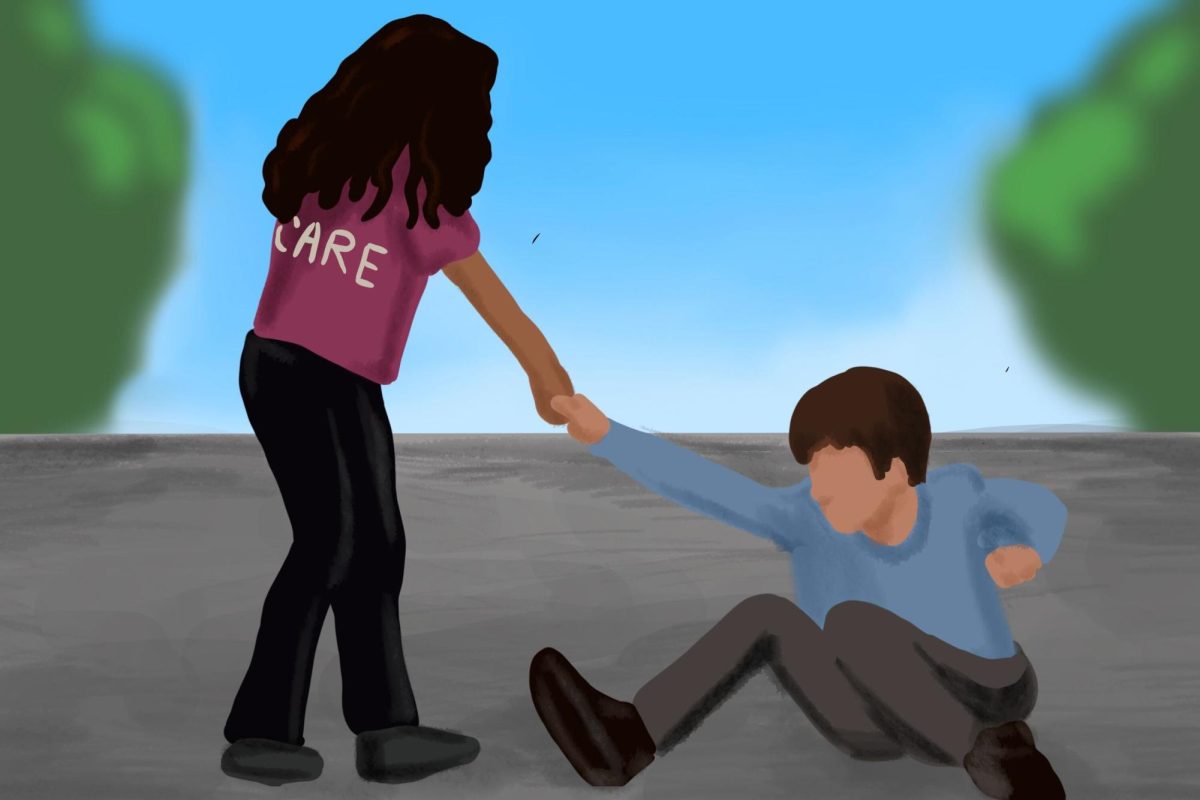
But Chicago can still lead. We can build a blueprint for urban climate resilience that centers on mental health, equity and dignity. We can recognize that health isn’t just about ER visits, it’s about whether people feel seen, supported and safe when the temperature spikes. It’s about climate action that begins with compassion.
Because if we don’t act now, the heat will rise, and so will the cost of our inaction. The question isn’t whether Chicago will face more heat waves; it’s whether we’ll be ready to meet them with courage, care and the infrastructure every community deserves.
If we don’t act now, the heat won’t just rise, it will break the health systems meant to contain it.
Abhinav Anne is a student through Northwestern’s Center for Talent Development program, a Youth Advisor to the World Health Organization, advising on youth mental health, children’s welfare and climate-driven health disparities, and a student with It’s Our Future, a Chicago-area youth advocacy group focused on climate policy. He can be contacted at [email protected]. If you would like to respond publicly to this op-ed, send a Letter to the Editor to [email protected]. The views expressed in this piece do not necessarily reflect the views of all staff members of The Daily Northwestern.