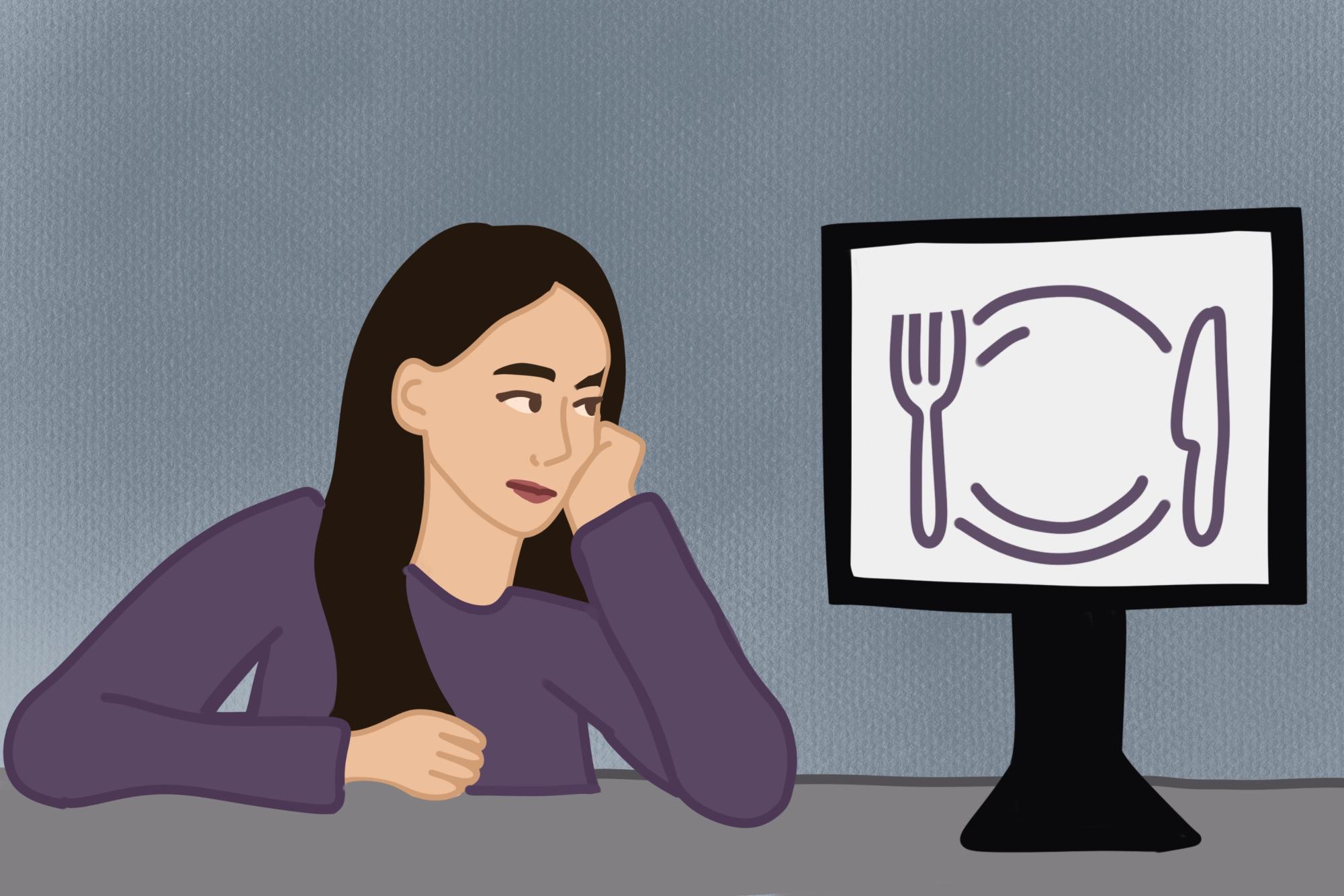
Content warning: This article contains mentions of eating disorders.
For Weinberg senior Michelle Lu, Northwestern’s Campus EDucators was her “brain child.”
During her first year, Lu created the organization to educate students about the risks and symptoms associated with eating disorders as well as offer support to those struggling with them.
According to the National Eating Disorders Association, one person dies every 52 minutes as a direct result of an eating disorder.
This is something Lu hopes to mitigate.
“I think that eating disorder treatment and prevention is hugely important,” Lu said. “Especially with the huge prevalence of eating disorders on college campuses and then also beyond that.”
Effects of the media landscape
Lu said recent promotion of medications such as Glucagon-like peptide 1, also known as GLP-1s, in the media can be detrimental. GLP-1s are able to alter body shape, through appetite suppression, in a way that can be harmful to those who are vulnerable.
GLP-1s were originally prescribed to manage blood sugar levels in people with diabetes and work by prompting the pancreas to release insulin and by acting on the brain to suppress appetite.
However, they are now widely prescribed for weight loss and are heavily advertised by social media influencers. There are even advertisements for GLP-1 drugs featuring professional athlete Serena Williams, who promoted her use of the medication in social media posts and commercials.
“I think it has gotten out of hand,” Communication sophomore Diya Sareen said. “It has become more of a cosmetic thing than a health-related thing.”
As more versions of GLPs have been approved by the Food and Drug Administration, there has been a rise in popularity of the medication. According to the Centers for Disease Control and Prevention, one in three adults ages 50 to 64 used GLP-1 medications in 2024.
For people who struggle with eating disorders, advertisements promoting drugs like these can potentially be harmful, Weinberg sophomore and Campus EDucators Education co-Chair Sophia Gastolek said.
“When you see that body as your ideal body, and you see people obtaining that through medications that are either prescribed out of necessity or electively taken, I think that can kind of mess with your brain,” Gastolek said.
For Gastolek, it’s important that people be “mindful” about the ways they discuss the medication.
There has also been a rise of social media accounts devoted to creators’ eating disorder recoveries. This type of exposure has been helpful in general representation but can sometimes promote eating disorder behaviors, Lu said.
Framing the narrative
In American culture, people are “already constantly shamed and criticized for their bodies,” according to certified eating disorder specialist and Feinberg Prof. Jenny Conviser.
“One need not be in a larger body to be made fun of, to be the victim of bullying, discrimination or pressure to change,” Conviser said.
Psychology Prof. Renee Engeln said this type of culture pushes the idea that thinness is superior.
The media often promotes “ultra thin ideals,” Engeln said. While this messaging has always been a part of American culture, she said, it does not affect everyone the same way.
“For people who are already vulnerable, this type of media nudges them even further,” Engeln said.
Engeln added that this can be more problematic for people recovering from anorexia nervosa, an eating disorder and mental health condition, since their recovery typically involves shifting the belief of thinness being superior.
Although today there is increased representation of eating disorders in the media, this shift has also pushed the narrative that only people in thin bodies can have eating disorders, Lu said.
Not all doctors are properly trained to treat eating disorders, she said, since some doctors may overlook the eating disorder risk factors and cognitions. Often, due to misdiagnoses, patients struggling with atypical anorexia might be prescribed GLP-1, which is ineffective and can actually be more detrimental to the individual, Lu said.
“A recommendation like that can be really harmful for someone who is trying to reach a place of being at peace with their body or their relationship with food,” Lu said.
Resources, events on campus
At NU, Lu said Campus EDucators works with campus eating disorder therapists and dietitians to make resources, such as counseling and discourse about the topic, available for those struggling and those in recovery.
Lu said that by working with campus providers, the organization is able to provide students with the resources they need in a timely and personal manner. This helps prevent wait times for treatment.
In October, the organization partnered with the National Association of Anorexia Nervosa and Associated Disorders to host a recovery night open to students. At the event, student speakers shared personal stories of eating disorder recovery.
“Recovery nights remind us that recovery is a journey and much more attainable,” Counseling and Psychological Services employee Fallon Weatherspoon said.
CAPS is the main mental health service on campus. Students walk in for a same-day appointment or schedule an initial assessment on CAPS’ website. Weatherspoon is the Eating Concerns Coordinator within CAPS.
In the future, Weatherspoon said she hopes to create workshops and spaces for students with eating-related concerns to promote wellness and increase awareness.
Having a group dedicated to the education and visibility of eating-related concerns has impacted the campus positively, Weatherspoon said.
“These organizations are important, as eating disorders and eating concerns thrive in secrecy,” Weatherspoon said. “Having spaces where it’s okay to talk about your feelings is critical and community is crucial to healing.”
Campus EDucators also works with Be Real USA, a nonprofit that gives presentations about body image and eating disorder prevention at schools.
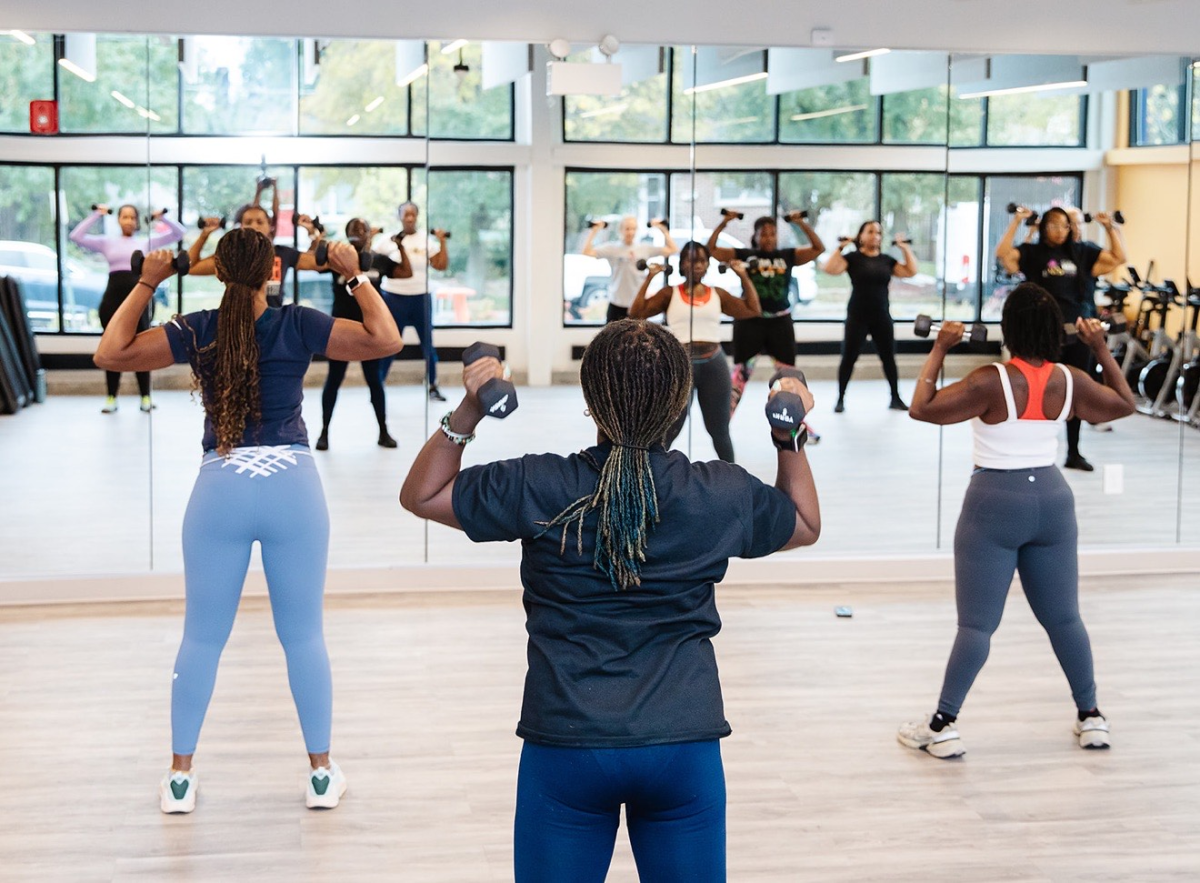
During Eating Disorders Awareness Week, which was Feb. 23 through March 1, Campus EDucators worked with Student Affairs to host a body positivity focused yoga event and other tabling events.
At the yoga event, held at the Henry Crown Sports Pavilion, students participated in gentle movement while focusing on connecting and respecting their body.
Their tabling events also aim to bring light to eating disorders on campus, Lu said.
Lu said Campus EDucators is not just for those struggling with an eating disorder or in recovery. Anyone can get involved and participate in the organization’s events.
Eating disorders are often stigmatized, which can make it hard for people to seek help, Lu said. By getting involved and talking about these concerns, students can help support those struggling and those in recovery on campus.
“Effective change at Northwestern or just on any college campus comes from the people who attend the school,” Lu said.
Email: [email protected]
Related Stories:
— Student Affairs aims to raise visibility, foster community during Eating Disorder Awareness Week
— Hunt: Eating disorders are culturally accepted forms of self-harm
— Body Acceptance Week works to inform, provide resources on eating disorders and body image